
Blooming
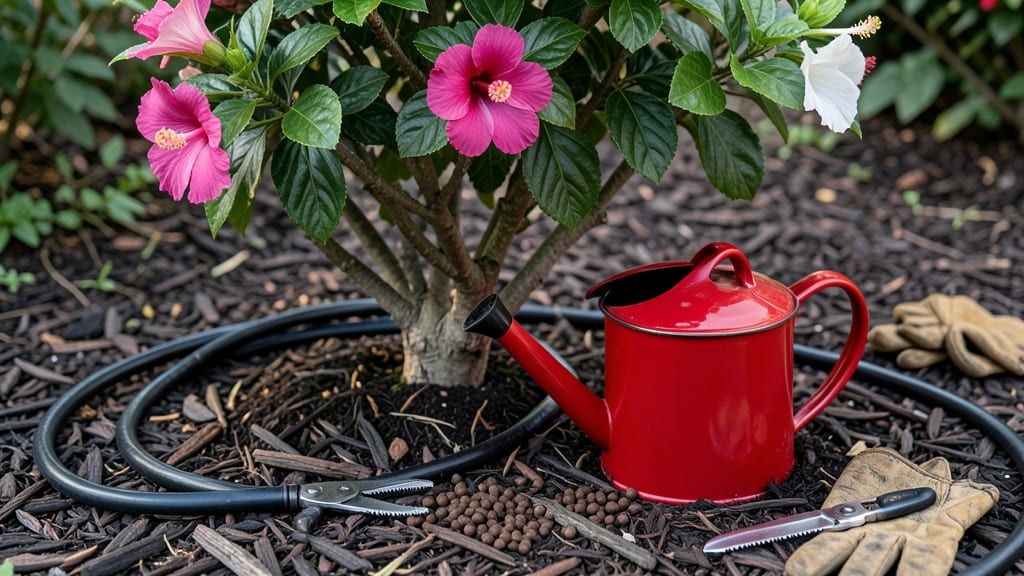
Taking care of a hibiscus bush means waking up to bold red blooms that look like they’re straight out of a tropical vacation. 🌺 The key is mimicking its natural environment—plenty of sunlight, consistent moisture, and just the right balance of feeding.
I’ve kept mine thriving for years, and the secret isn’t complicated: it’s about understanding what these plants actually need, not what myths say. Most people overwater or underfeed, which leads to droopy leaves or sparse blooms.
My hibiscus gets 1-2 inches of water per week (more in summer) and a slow-release fertilizer every 6-8 weeks during growing season. The soil should stay moist but not soggy—think of a wrung-out sponge. By winter, you’ll notice fewer blooms, but that’s normal.
Cut back dead branches in early spring to encourage fresh growth, and move potted plants indoors if temperatures dip below 50°F. The result? A bush that bursts back into color as soon as warm weather returns. Works for both outdoor shrubs and container plants.
Here’s how to keep yours looking its best all year.
📚 In This Guide
- What you need
- Instructions
- Tips and common mistakes
- Wrapping up and next steps
What you need
- ● Hibiscus plant: Choose a healthy Hibiscus rosa-sinensis (tropical hibiscus) or Hibiscus syriacus (hardy hibiscus) from a nursery. Opt for a potted plant or bare-root if planting outdoors.
- ● Well-draining potting mix: 5–10 gallons (depending on pot size). Use a blend of peat moss, perlite, and compost (ratio: 3:1:1) for optimal drainage.
- ● Container (if potted): A 12–15 inch diameter pot with drainage holes. Terracotta or fabric pots work best for airflow.
- ● Fertilizer: Balanced liquid fertilizer (10-10-10 or 20-20-20): 1–2 tbsp per gallon of water, applied every 2–4 weeks during growing season (spring–fall).
- ● Slow-release granular fertilizer (e.g., Osmocote): 1 cup per plant, mixed into soil at planting time.
- ● Pruning shears: Sharp, clean bypass pruners (sterilize with rubbing alcohol between cuts).
- ● Watering can or hose: With a gentle spray nozzle to avoid damaging flowers.
- ● Mulch: 2–3 inches of organic mulch (e.g., pine bark or shredded leaves) to retain moisture and regulate soil temperature.
- ○ Support stake (optional but helpful): A 5–6 foot bamboo or metal stake for tall varieties like Hibiscus syriacus.
- ● Epsom salt: 1 tbsp dissolved in 1 gallon of water (monthly spray for magnesium boost).
- ● Hibiscus-specific food: Products like Miracle-Gro Hibiscus & Gardenia Food for extra blooms.
- ● Shade cloth: 30–50% coverage for tropical hibiscus in hot climates (130°F+).
- ● Soil moisture meter: To monitor watering needs (especially for potted plants).
- ● Humidity tray: For indoor hibiscus—fill a tray with pebbles and water to increase air moisture.
Step-by-step instructions for year-round hibiscus care
Here's how I keep my hibiscus bushes blooming like crazy with just a few simple routines.
🌱 Step 1: Choose the Perfect Planting Location
Hibiscus bushes thrive in full sun—at least 6-8 hours daily. I plant mine where they get morning sun and afternoon shade in hot climates, which prevents leaf scorch. The soil should drain well, so I always amend with compost if my native soil is heavy or clay-like.
Dig a hole twice as wide as the root ball but only as deep. This encourages roots to spread outward rather than settling too deep. Place the plant so the top of the root ball sits just above ground level—hibiscus hate having their crowns buried, which causes rot.
💧 Step 2: Water Deeply and Consistently
Water your hibiscus deeply once a week rather than light sprinkles daily. The key is to soak the root zone until water runs out the bottom of the pot or drains from the soil surface. You'll know it's right when the top 2-3 inches of soil feel dry to touch before the next watering.
Mulch around the base with 2-3 inches of organic mulch to retain moisture and regulate soil temperature. Keep the mulch 2 inches away from the trunk to prevent rot. Overwatering is the #1 killer—yellow leaves usually mean you're watering too much or not enough.
☀️ Step 3: Feed for Continuous Blooms
Feed your hibiscus every 4-6 weeks during growing season with a balanced 10-10-10 or 20-20-20 fertilizer. I switch to a low-phosphorus formula (like 15-5-15) in late summer to encourage more blooms instead of foliage. Always water before fertilizing to prevent root burn.
Stop fertilizing in fall and winter unless you're growing a tropical hibiscus in warm climates. You'll see the difference immediately—plants fed properly produce larger, brighter blooms with fewer gaps between flowers.
✂️ Step 4: Prune Strategically for Shape and Health
Prune your hibiscus after blooming season or in early spring. Cut back one-third of the oldest stems to encourage new growth. I always make cuts just above a leaf node or bud, which promotes bushier growth. Remove any dead, diseased, or crossing branches first.
Never prune into old wood—hibiscus won't regrow from severely cut-back stems. For container-grown bushes, I trim lightly throughout the season to maintain shape. You'll notice new growth within 2-3 weeks of proper pruning.
⏰ Step 5: Protect Through Seasons
In cold climates, wrap young hibiscus bushes with burlap or frost cloth when temperatures drop below 30°F. Mature bushes handle 20°F but may lose leaves. I always mulch heavily before winter to protect roots from freezing.
Tropical hibiscus need consistent warmth. Move potted plants indoors before frost or provide heated protection outdoors. Watch for pests like aphids or whiteflies—spray with neem oil at first sign of infestation. A healthy hibiscus with proper care will reward you with months of vibrant blooms.
Tips & tricks for perfect hibiscus care
Took me years to figure out these simple routines that keep my hibiscus thriving—here's what nobody tells you first.
Sunlight Secret: The 6-8 hours of sunlight recommendation is non-negotiable, but timing matters just as much. In hot climates, I actually position my bushes to get morning sun and afternoon shade—this prevents leaf scorch while still giving them the full sun exposure they crave. If you notice leaves turning crispy or yellowing at the edges, that's your sign to move them to a slightly shadier spot during peak afternoon heat.
Watering Wisdom: That once-a-week deep watering is critical, but there's a trick to knowing when it's enough. After watering, stick your finger 2-3 inches into the soil—if it feels completely dry, you've nailed it. If it's still damp, let it dry out a bit before watering again. Overwatering is the silent killer of hibiscus, so when in doubt, wait another day before watering again. Yellow leaves? That's your plant's SOS signal—usually means either too much or too little water.
Fertilizer Timing: The 4-6 week feeding schedule works wonders, but I've found switching to that low-phosphorus formula in late summer makes all the difference. Phosphorus pushes leaf growth at the expense of blooms, so cutting it back in summer keeps your plant focused on producing those stunning flowers instead of just foliage. And always water first—this simple step prevents root burn that can kill your plant slowly over time.
Pruning Pro Tip: When you're cutting back those one-third oldest stems in Step 4, look for the leaf nodes—those little bumps where leaves attach. Cut just above these nodes at a 45-degree angle to encourage new growth from that exact spot. I've seen hibiscus bounce back with fresh shoots within 2-3 weeks when pruned this way. And never prune into old wood—hibiscus won't regrow from severely cut-back stems, so be gentle with those older branches.
Pro Tips for Take Care Of A Hibiscus Bush
- Took me years to figure out these simple routines that keep my hibiscus thriving—here's what nobody tells you first.
- Sunlight Secret: The 6-8 hours of sunlight recommendation is non-negotiable, but timing matters just as much.
- Watering Wisdom: That once-a-week deep watering is critical, but there's a trick to knowing when it's enough.
Frequently asked questions
How often should I water my hibiscus bush?
Hibiscus bushes love consistent moisture—water deeply 2-3 times per week during hot, dry spells (or daily if planted in containers). Let the top 1-2 inches of soil dry out between waterings to prevent root rot. Pro tip: Mulch around the base to retain moisture and keep roots cool!
When is the best time to prune my hibiscus?
Prune your hibiscus right after flowering (late spring to early summer) to encourage new growth and more blooms. Avoid heavy pruning in fall/winter—it can stress the plant. Trim dead or overcrowded branches, and shape it lightly to maintain airflow. Warning: Wear gloves—hibiscus thorns are sharp!
Why are the leaves on my hibiscus turning yellow or dropping?
Yellow leaves often signal overwatering or nutrient deficiency. Check the soil—it should drain well, and roots shouldn’t sit in water. If the problem persists, fertilize with a balanced bloom booster (like 10-10-10) every 4-6 weeks. Bonus: Yellowing from pests? Inspect for aphids or spider mites and treat with neem oil if needed.
Can hibiscus bushes survive winter in cold climates?
Most hibiscus (like tropical varieties) cannot tolerate frost. In colder zones, grow them in containers and move them indoors before temperatures drop below 50°F (10°C). Hardy hibiscus (Hibiscus moscheutos) can handle light freezes—check your plant’s type! Quick fix: Wrap pots in burlap for extra protection.
How do I encourage more blooms on my hibiscus?
Blooms thrive with sunlight, fertilizer, and pruning! Place your bush in full sun (6+ hours daily) and feed it monthly with a phosphorus-rich fertilizer (like 5-10-5). Deadhead spent blooms regularly to redirect energy to new flowers. Fun fact: Some varieties bloom nonstop—just keep the care consistent!
What’s the easiest way to propagate hibiscus?
Propagate hibiscus from stem cuttings in spring or summer. Snip a 4-6 inch healthy stem, remove lower leaves, and dip the cut end in rooting hormone. Plant in moist potting mix, cover with a plastic bag, and keep in bright, indirect light. Roots should form in 4-6 weeks! Tip: Use a heat mat to speed up rooting.
Wrapping up and next steps
Caring for a hibiscus bush is all about consistency, patience, and a little love—and the reward is a stunning, long-blooming plant that brightens your space year after year! 🌸 By mastering the basics of sunlight, watering, pruning, and soil health, you’ll create the perfect conditions for your hibiscus to thrive.
Don’t forget to enjoy the process—whether you’re admiring its vibrant blooms or troubleshooting with confidence.
Ready to take the next step? Experiment with varieties or share your hibiscus care tips with fellow plant lovers! 🌿 With these insights, your bush will flourish—and so will your green thumb.