
Pests and Diseases
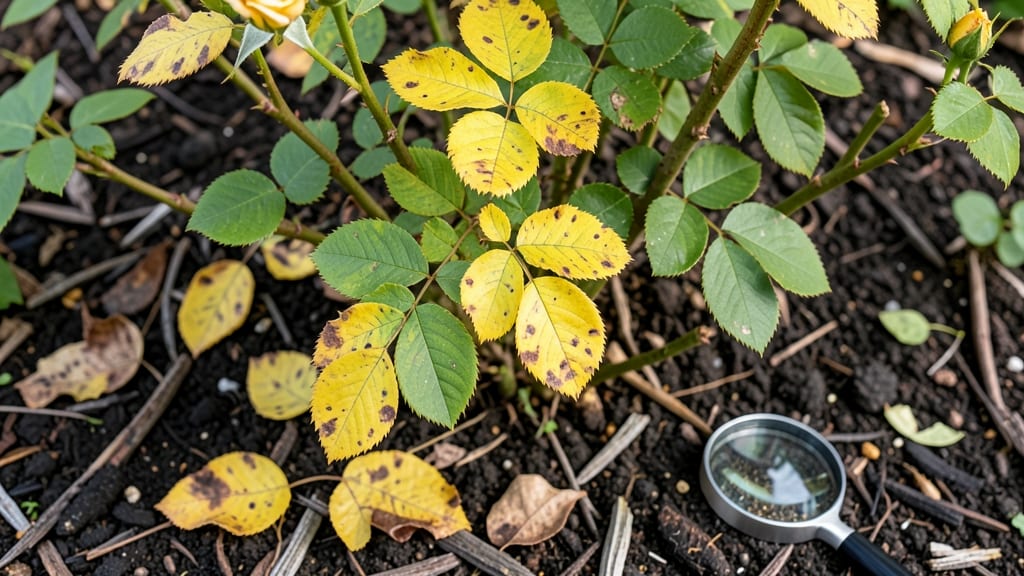
Your rose bush leaves turning yellow and falling off is a cry for help—before you panic, let’s diagnose what’s really wrong. 🌿 I’ve seen this happen from overwatering to hidden fungal infections, and the fix depends on the root cause.
The good news? Most cases are reversible with the right steps.
Overwatering or poor drainage drowns roots, while nutrient deficiencies (especially iron) starve leaves from the inside out. Then there are fungal diseases like black spot or powdery mildew, which thrive in damp conditions.
Pests like spider mites can also suck the life out of foliage, leaving yellow patches behind. The key is spotting the pattern—are the leaves curling, wilting, or covered in spots?
Start by checking soil moisture with your finger—if it’s soggy, cut back on watering and improve drainage. For fungal issues, prune affected leaves and apply a copper-based fungicide (organic options work too).
A balanced fertilizer with iron can revive nutrient-starved plants in just a few weeks. Prevention is easier: water at the base, avoid overhead sprinklers, and mulch to keep roots happy.
Don’t let this become a recurring problem—healthy roses reward you with vibrant blooms all season. The sooner you act, the faster your bush bounces back. Let’s get those leaves perking up again.
Root Causes Behind Yellowing Leaves
When your rose bush leaves start turning yellow and dropping off, it’s rarely a random act of nature—it’s usually a cry for help. Understanding the why behind this distress is the first step to saving your prized plant.
Below, we break down the most common culprits, from environmental stressors to hidden pests, with clear explanations of how they trigger this decline.
Roses thrive in well-drained soil, but when they’re overwatered or planted in heavy, compacted soil, their roots suffocate. This leads to root rot, a fungal infection that blocks nutrient and oxygen uptake.
How it happens:
- Waterlogged roots can’t absorb oxygen, causing cells to die and leaves to yellow (a condition called chlorosis).
- Excess moisture creates the perfect environment for Phytophthora fungi, which attacks root tissues.
- Yellowing often starts on older leaves (a sign of systemic stress) before spreading.
Actionable fix: Test your soil’s drainage by digging a hole, filling it with water, and timing how long it takes to drain. If it sits for more than 2 hours, amend the soil with perlite or sand and water only when the top 2 inches of soil are dry.
Yellow leaves can signal a lack of essential nutrients, particularly in roses that are heavy feeders. The most common deficiencies are:
| Nutrient | Symptoms | Why It Happens |
|---|---|---|
| Nitrogen (N) | Yellowing starts on older leaves (interveinal chlorosis). | Nitrogen fuels leaf growth; without it, chlorophyll production drops. |
| Iron (Fe) | Bright yellow leaves with green veins (classic "lime-green" pattern). | Iron deficiency is common in alkaline soil (pH >7.0), locking out this micronutrient. |
| Magnesium (Mg) | Yellowing between veins on older leaves, with brown patches. | Magnesium is vital for chlorophyll; poor soil or over-fertilization with nitrogen can deplete it. |
Actionable fix:
- Test your soil’s pH (ideal range: 6.0–6.5 for roses). Amend with sulfur for alkaline soil.
- Use a balanced rose fertilizer (e.g., 10-10-10) in early spring and mid-summer.
- For iron deficiency, apply chelated iron or use Epsom salt (magnesium sulfate) (1 tbsp per gallon of water, sprayed on leaves).
Fungal diseases like black spot (Diplocarpon rosae) and powdery mildew (Sphaerotheca pannosa) are notorious for causing yellowing and leaf drop. These pathogens thrive in humid, shaded conditions and clog stomata (leaf pores), disrupting gas exchange.
How to spot them:
- Black spot: Dark, circular spots with yellow halos; leaves may drop prematurely.
- Powdery mildew: White, powdery coating on leaves, followed by yellowing and curling.
Actionable fix:
- Prune infected leaves immediately (sterilize shears with rubbing alcohol) and dispose of them in the trash not the compost.
- Improve air circulation by spacing plants 3–4 feet apart and pruning for an open canopy.
- Apply fungicide (copper-based or neem oil) at the first sign of infection. For prevention, spray baking soda solution (1 tsp baking soda + 1 quart water + a drop of dish soap) every 2 weeks.
Sap-sucking pests like aphids, spider mites, and scale insects drain nutrients from leaves, causing them to yellow and drop. These pests also excrete honeydew, a sticky residue that attracts sooty mold—a secondary fungus that further stresses the plant.
Common pests and their damage:
- Aphids: Cluster on new growth; leaves curl and yellow.
- Spider mites: Tiny yellow/red dots on leaves; webbing on undersides.
- Scale insects: Brown/bumpy spots on stems; leaves yellow and wilt.
Actionable fix:
- Blast pests off with a strong stream of water (especially aphids).
- Use insecticidal soap or neem oil (spray undersides of leaves where pests hide).
- Introduce beneficial insects like ladybugs or lacewings for long-term control.
Roses are resilient, but extreme heat, cold, or sudden weather shifts can shock them into dropping leaves. For example:
- Heat stress: Leaves scorch (yellow/brown edges) in temperatures above 90°F (32°C)underwatered.
- Cold damage: Frost can cause freeze burn, turning leaves black or yellow before they fall.
- Windburn: Constant wind desiccates leaves, leading to yellowing and crisp edges.
Actionable fix:
- Provide afternoon shade in hot climates (use shade cloth if needed).
- Mulch heavily (3–4 inches of organic mulch) to insulate roots from temperature swings.
- Water deeply in the early morning to reduce heat stress and evaporation.
Not all yellowing is a cause for alarm! Roses naturally shed older leaves in late summer/fall as they prepare for dormancy. Look for these clues:
- Yellowing starts on bottom leaves first (oldest growth).
- No other symptoms (e.g., spots, wilting, pests).
- Occurs in late summer or early autumn.
What to do: Let nature take its course—prune only dead or diseased leaves. Avoid fertilizing in fall, as new growth won’t harden off before winter.
Fixing Yellowing Rose Leaves Fast
Now that you’ve identified why your rose bush leaves are turning yellow and falling off, it’s time to take action! Below are practical, step-by-step solutions tailored to each common cause—plus prevention tips to keep your roses thriving. Let’s get those leaves perking up again!
🔧 Step 1: Check the Soil First, stick your finger 2 inches deep into the soil. If it feels soggy or waterlogged, your roses are drowning. Overwatering deprives roots of oxygen, leading to yellowing leaves and potential fungal issues.
💧 Step 2: Adjust Your Watering Routine
- Water deeply but less frequently—roses prefer 1–2 inches of water per week (including rain).
- Water at the base, not overhead, to prevent fungal spores from splashing onto leaves.
- Use a moisture meter if you’re unsure—aim for soil that’s damp but not wet.
🏗️ Step 3: Improve Drainage
- If your soil is clay-heavy, amend it with compost or perlite to loosen it.
- Raise garden beds slightly or plant roses in containers with drainage holes if drainage is poor.
- Mulch around the base (2–3 inches of organic mulch) to regulate moisture and prevent soil compaction.
💡 Pro Tip: If your roses are in pots, ensure the container has drainage holes—no exceptions! Stagnant water = root rot.
🌿 Step 1: Provide Partial Shade If your roses are in a hot, sunny spot, they may be suffering from heat stress. Move them to a location with:
- Morning sun + afternoon shade (especially in peak summer).
- Dappled shade from nearby trees (avoid dense shade, which weakens growth).
💦 Step 2: Hydrate & Cool Them Down
- Water in the early morning to reduce evaporation.
- Mist leaves lightly on extremely hot days (but avoid wetting flowers to prevent mildew).
- Use shade cloth (30–50%) if moving them isn’t an option.
🌡️ Step 3: Protect from Windburn If leaves are crispy or yellowing from wind, plant roses near a windbreak (like a fence or hedge).
🐜 Spider Mites or Aphids?
🔥 Step 1: Blast Them Off
- Spray leaves with a strong jet of water (early morning) to knock off pests.
- Neem oil spray (1 tbsp neem oil + 1 tsp mild soap + 1 quart water) every 5–7 days until gone.
🍳 Step 2: Introduce Beneficial Insects
- Ladybugs or lacewings eat aphids naturally—buy them online or attract them with dill or fennel plants.
🍄 Fungal Issues (Black Spot, Powdery Mildew)?
👨🍳 Step 1: Prune & Remove Infected Leaves
- Cut off yellow/spotted leaves with sterilized pruners (wipe with rubbing alcohol).
- Dispose of debris in the trash (not compost)—fungi spread easily!
🔪 Step 2: Apply Fungicide
- Baking soda spray (1 tsp baking soda + 1 quart water + a drop of soap) every 7–10 days.
- Copper fungicide (follow label instructions) for severe cases.
🌡️ Step 3: Improve Airflow
- Space roses 3–4 feet apart to reduce humidity.
- Prune for better airflow—remove crowded branches.
📊 Step 1: Test Your Soil
- Use a home soil test kit (or send a sample to a local extension office) to check pH (6.0–6.5 ideal) and nutrient levels.
💪 Step 2: Fertilize Correctly
- Iron deficiency? Apply chelated iron or Epsom salt (1 tbsp per gallon of water, spray on leaves).
- Nitrogen deficiency? Use a balanced rose fertilizer (10-10-10) in early spring and mid-summer.
- Avoid over-fertilizing—too much salt burns roots!
🍎 Step 3: Compost & Mulch
- Top-dress with compost in spring to replenish nutrients.
- Avoid fresh manure—it can burn roots.
✨ Water wisely—deep and infrequent beats shallow, frequent watering. ✨ Prune regularly—remove dead/diseased branches before pests spread. ✨ Monitor pests early—check undersides of leaves weekly. ✨ Rotate fungicides if you use them to prevent resistance. ✨ Plant disease-resistant varieties (like ‘Knock Out’ roses) for low-maintenance care.
Final Thought: Most yellowing leaves are fixable—but the key is acting fast. Start with the most likely cause, adjust care, and watch your roses bounce back! 🌹💛
Frequently asked questions
Why do rose bush leaves turn yellow between the veins first?
This classic pattern usually signals an iron deficiency—especially if your soil is alkaline (pH above 7.0). Iron is essential for chlorophyll production, and alkaline soils lock it out. Try applying chelated iron or a foliar spray with Epsom salt (1 tbsp per gallon of water) to revive your leaves quickly.
Can overwatering really cause rose leaves to fall off?
When roses sit in soggy soil, their roots suffocate from root rot, starving the plant of oxygen and nutrients. Check drainage by digging a hole, filling it with water, and timing how long it takes to drain—if it takes more than 2 hours, amend your soil with perlite or sand and water only when the top 2 inches are dry.
How do I tell if my rose leaves are yellow from pests or disease?
Pests like aphids or spider mites leave sticky residue (honeydew) and tiny webs, while fungal diseases (like black spot) show dark spots with yellow halos. Inspect leaf undersides for pests—if you see webbing or clusters of bugs, use neem oil or insecticidal soap. For fungal issues, prune infected leaves immediately and apply copper fungicide.
Is it normal for rose leaves to turn yellow in fall?
Yes! Roses naturally shed older leaves in late summer/fall as they prepare for dormancy. Look for yellowing starting on bottom leaves with no other symptoms (like spots or wilting). If this happens in late August–October, it’s just seasonal—avoid fertilizing and focus on cleaning up fallen leaves to prevent disease buildup.
How often should I fertilize roses if their leaves are yellow?
Start with a soil test to check nutrient levels—roses need balanced fertilizer (10-10-10) only twice a year (early spring and mid-summer). Over-fertilizing burns roots! For deficiencies, use targeted amendments: Epsom salt for magnesium, chelated iron for iron, and avoid fresh manure, which can scorch roots.