
Pruning
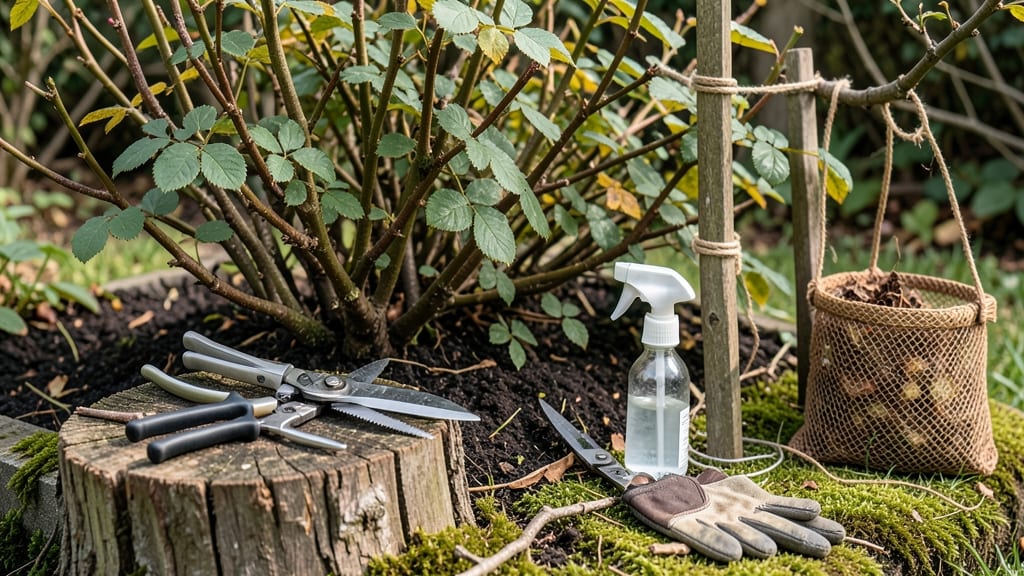
Pruning overgrown rose bushes can feel intimidating, but it’s the secret to vibrant blooms and healthy growth—especially when you focus on three key seasonal cuts. ✂️ I’ve turned my tangled, thorny mess into a lush, productive rose bush by following a simple system that works for hybrid teas, floribundas, and even old garden roses.
The best part? You don’t need a green thumb—just sharp tools and a little patience.
Start by cutting back dead, diseased, or crossing branches first—they’re the biggest energy drain on your plant. Then, shape the bush by trimming back last year’s growth to an outward-facing bud, which encourages new growth and better airflow.
Timing matters too: late winter (before new growth starts) is ideal for major pruning, while light trims in summer keep blooms coming. Just avoid heavy cuts after mid-summer, or you’ll delay next year’s flowers.
After pruning, your roses will bounce back faster with proper post-care: water deeply, fertilize with a balanced rose food, and mulch to retain moisture. You’ll see fresh, dark green shoots within 2-3 weeks, and by summer, your bush will be fuller and more productive than ever.
The key is consistency—prune the same way every year, and your roses will reward you with longer blooming seasons and fewer pests.
Even if you’ve never pruned roses before, this method works for any overgrown bush. Just remember: sterilize your tools between cuts to prevent disease spread, and don’t rush—take your time to make clean cuts at a 45-degree angle.
Once you see those first new buds, you’ll wonder why you waited so long.
📚 In This Guide
- What you need
- Instructions
- Tips and common mistakes
- Wrapping up and next steps
What you need
- ● Bypass pruners – Sharp, clean pruners (1 pair) with a 5- to 8-inch blade for cutting stems up to ½ inch thick.
- ● Loppers – Heavy-duty loppers (1 pair) with a 6- to 8-inch blade for thicker branches (½ to 2 inches in diameter).
- ● Pruning saw – A curved or bow saw (1) for branches thicker than 2 inches.
- ● Gloves – Heavy-duty gardening gloves (1 pair) to protect against thorns and debris.
- ● Disinfectant – Rubbing alcohol (70% or higher) or a pruning sealant to sterilize tools between cuts.
- ● Hand pruners with ratcheting handles – For extra leverage on stubborn branches.
- ● Long-handled pruners or loppers – If your rose bush is tall or thorny.
- ● Pruning shears with anvil blades – Only for non-rose plants (avoid crushing stems).
- ● Rake or broom – To clear away fallen debris after pruning.
- ○ Plant food or compost – To nourish the bush post-pruning (optional but beneficial).
- ● Check the weather—prune on a dry, cloudy day to reduce stress on the plant.
- ● Have a clear workspace—lay down tarps or old sheets to collect clippings.
- ● Review your rose bush’s type (hybrid tea, floribunda, climbing, etc.) for specific pruning needs.
- ● Wear long sleeves and pants to protect against thorns.
How to prune overgrown rose bushes: revitalize growth with 3 seasonal cuts
Here’s my no-nonsense approach to pruning roses—whether you’re tackling a tangled thicket or just refreshing last year’s growth.
✂️ Step 1: Late Winter Pruning (Before Bud Break)
This is the most critical cut of the year. Wait until your region’s last frost has passed but before buds swell (usually February to early March). You’ll know it’s time when you see tight, fat buds forming at the base of canes—don’t wait until leaves appear.
Start by removing dead, diseased, or crossing branches first. Cut these back to the ground or to a healthy bud, making cuts at a 45-degree angle just above an outward-facing bud. This prevents water from pooling at the cut. For thick canes, use loppers—never prune with dull tools, or you’ll tear the wood.
Next, thin out crowded canes. Aim to leave 5-7 strong, evenly spaced stems per bush. Older roses may need more aggressive pruning—cut back one-third of last year’s growth to encourage new, vigorous shoots. Always cut to an outward-facing bud to promote an open, airy shape.
☀️ Step 2: Light Summer Pruning (After First Bloom)
Once your roses have finished their first flush of blooms (usually June to July), it’s time for a lighter touch. This step keeps the bush tidy and encourages a second round of flowers. Look for spent blooms with long, leggy stems—these need pruning to redirect energy.
Cut back to the first set of five healthy leaves below the bloom. This ensures the plant has enough foliage to support new growth. Avoid heavy pruning now—you’re just shaping, not reshaping. Remove any suckers (shoots growing from the base) immediately, as they drain energy from the main plant.
Here’s the thing—don’t prune after mid-summer. New growth won’t have time to harden off before winter, and it’ll be more vulnerable to frost damage. If you see weak, pale canes, leave them—they’ll likely die back naturally over winter.
✂️ Step 3: Fall Cleanup (After First Frost)
After the first hard frost (when leaves turn brown and crisp), it’s time for a final prune. This step isn’t about shaping—it’s about preventing disease and pests by removing debris. Start by raking up all fallen leaves and petals around the base. These can harbor fungal spores over winter.
Next, trim back any weak, thin canes that didn’t bloom well. Cut these to the ground or to a strong bud. For hybrid teas and grandifloras, you can also shorten last year’s growth by one-third to promote bushier growth next season. Avoid heavy pruning now—you’re just tidying up, not reshaping.
Finish by applying a 2-3 inch layer of mulch around the base (but not touching the stems). This insulates roots and keeps moisture consistent. I like to use wood chips or straw—they break down slowly and improve soil structure over time.
⏰ Step 4: Post-Pruning Care (Year-Round)
Pruning isn’t a one-time job—it’s about consistent maintenance. After each cut, water deeply to help the plant recover. Roses need 1-2 inches of water weekly, either from rain or irrigation. Check soil moisture by sticking your finger 2 inches deep—if it’s dry, water thoroughly.
Fertilize 4-6 weeks after pruning with a balanced rose fertilizer (10-10-10 or similar). Avoid high-nitrogen feeds in late summer—they encourage soft, weak growth that won’t survive winter. Instead, switch to a low-nitrogen, high-phosphorus formula to boost root development.
Finally, monitor for pests like aphids or spider mites, especially after pruning. A strong blast of water or neem oil spray usually does the trick. Healthy roses bounce back fast—just give them the right care after each cut.
Tips & tricks for pruning overgrown rose bushes
Took me years of trial and error to figure out these game-changing tricks that'll transform your roses from tangled messes into thriving, blooming beauties.
Timing is Everything: That February-to-March window for late winter pruning is non-negotiable. I learned this the hard way after pruning too early and losing half my buds to frost. Check for those tight, fat buds forming—this is your cue. If you're in a warmer climate, wait until your last frost date plus 2 weeks to be safe. And here's a pro move: mark your calendar now for next year's pruning dates!
Tool Prep Matters: Sharp tools are your best friend. I always clean my pruners with rubbing alcohol between cuts to prevent spreading disease. For thick canes, use loppers—but make sure they're sharp too! Dull tools crush stems instead of making clean cuts, which invites infections. I keep a small file in my gardening toolkit to sharpen blades on-site when needed.
The 45-Degree Angle Secret: That angled cut isn't just for looks—it's about directing water away from the cut to prevent rot. Imagine a tiny roof that sheds rain. Cut just above an outward-facing bud (about 1/4 inch above) to encourage new growth in the right direction. I always practice this on scrap wood first if I'm unsure—better to get it right before touching your roses!
Seasonal Care Calendar: Create a simple checklist for each pruning season. For late winter: remove dead/diseased wood, thin to 5-7 canes, and cut back one-third of last year's growth. For summer: trim spent blooms to 5 leaves, remove suckers immediately. For fall: clean up debris, trim weak canes, and mulch. I keep mine on my fridge door so I don't forget—roses will forgive a lot, but missed seasons won't!
Pro Tips for Prune Overgrown Rose Bushes
- Took me years of trial and error to figure out these game-changing tricks that'll transform your roses from tangled messes into thriving, blooming beauties.
- Timing is Everything: That February-to-March window for late winter pruning is non-negotiable.
- Tool Prep Matters: Sharp tools are your best friend.
Frequently asked questions
Got questions about pruning your overgrown roses?
You’re not alone! Here are some of the most common concerns—and their straightforward solutions—to help you tackle the task with confidence.
When is the best time to prune overgrown roses?
For most roses, late winter or early spring (just before new growth starts) is ideal. This timing removes dead wood, shapes the bush, and encourages vibrant blooms. Climbing roses can be pruned in late winter too, but avoid heavy cuts in fall—it can stimulate tender growth that won’t survive frost.
What if I prune at the wrong time?
Pruning too late in the season (fall or winter) can leave cuts vulnerable to disease or frost damage. If you’ve already pruned outside the ideal window, don’t stress! Just focus on removing dead, diseased, or crossing branches. Pro tip: Sterilize your tools with rubbing alcohol to prevent spreading bacteria.
How much can I cut back without hurting the rose bush?
For most roses, aim to remove 1/3 of the plant’s height during a single pruning session. Cut just above an outward-facing bud (about ¼ inch above) to encourage new growth. Overgrown bushes may need two cuts—first in late winter to remove dead wood, then again in early summer to shape and promote flowering.
What should I never do when pruning roses?
Avoid these common mistakes:
- Topping (cutting stems back to a stub)—this creates ugly, weak regrowth.
- Pruning in wet or rainy weather (increases disease risk).
- Using dull or dirty tools (tears stems and spreads pathogens).
- Over-pruning in one session (shock the plant; space cuts out).
Will pruning kill my rose bush?
Not if done correctly! Pruning revitalizes roses by removing congested branches, improving airflow, and redirecting energy to healthier growth. If your bush looks sad after pruning, it’s likely just adjusting. Water deeply, fertilize lightly, and watch it bounce back with new vigor.
What if my roses still look messy after pruning?
Some roses (like hybrid teas) need three prunings a year—late winter, early summer, and post-bloom. For others, focus on removing suckers (shoots growing from the base) and thinning crowded canes. If all else fails, a hard reset (cutting back by half) in early spring can work wonders.
Wrapping up and next steps
Pruning overgrown rose bushes might feel daunting at first, but with the right tools, timing, and technique, you’ll transform those tangled vines into healthy, blooming beauties! 🌹 Remember: patience and precision are key—focus on removing dead wood, thinning crowded canes, and shaping for airflow.
Now that you’re armed with seasonal strategies, grab those shears and give your roses the fresh start they deserve.
Ready to see the results? Plan your next pruning session—whether it’s a light trim in spring or a deep clean in winter—and watch your garden flourish! For extra inspiration, explore rose care tips or seasonal gardening guides to keep your green thumb growing.