
Shrubs
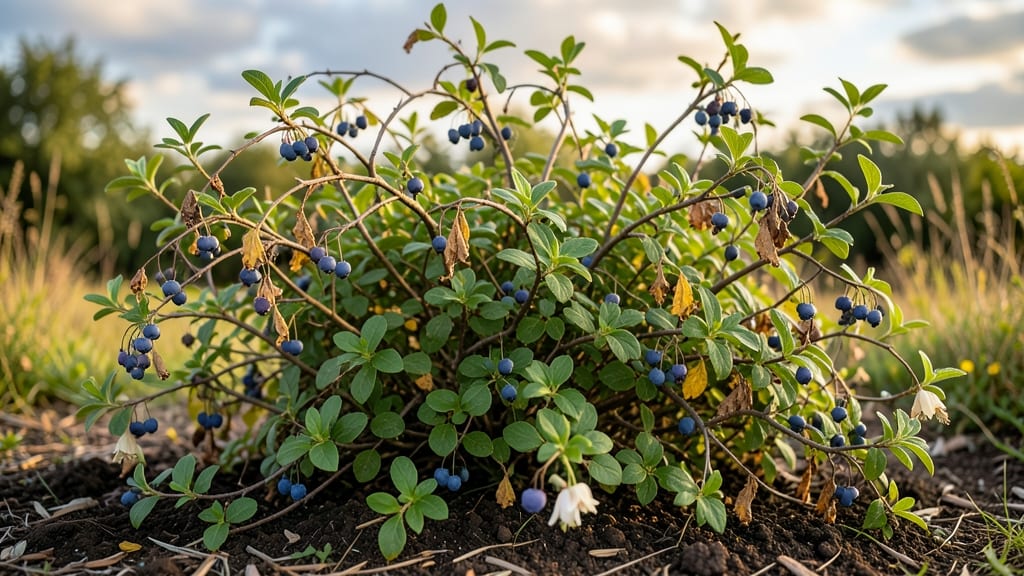
Your blueberry bushes could be producing three times more berries this year—if you prune them right. 🌿 I’ve spent years watching overgrown bushes turn into tangled messes, but these three simple cuts reset their growth, boost fruit production, and make harvesting a breeze.
The key is timing, sharp tools, and knowing which branches to keep (and which to say goodbye to).
The secret isn’t complicated: prune in late winter or early spring before new growth starts, and focus on three types of cuts—thinning out old wood, shaping the bush, and cleaning up dead branches.
You’ll need hand pruners, loppers, and gloves, and the whole process takes about 30 minutes per bush. Trust me, your future self will thank you when you’re drowning in berries instead of tangled vines.
By summer, you’ll see new, vibrant shoots pushing out, and the bush will open up to sunlight—exactly what blueberries need to fruit heavily. The berries themselves will be larger and sweeter, too, because the plant isn’t wasting energy on overgrowth.
This isn’t just pruning; it’s a productivity reset for your bushes. The best part? Once you master this method, you’ll prevent overgrowth in the future with just a little maintenance each year. No more struggling to reach the back of the bush or picking half-ripe berries hidden in the shade.
Let’s get those bushes back in shape!
📚 In This Guide
- What you need
- Instructions
- Tips and common mistakes
- Wrapping up and next steps
What you need
- ● Pruning shears: Bypass pruners (sharp, 5–7 inch blades) for clean cuts on smaller branches. (1 pair required)
- ● Loppers: Heavy-duty (8–10 inch) for thicker branches (½ inch or larger). (1 pair required)
- ○ Hand pruners: Anvil-type (for stubborn, woody stems) as a backup. (1 pair optional)
- ● Gloves: Heavy-duty, cut-resistant (e.g., leather or synthetic mesh) to protect hands from thorns and sap. (1 pair required)
- ● Disinfectant: 70% isopropyl alcohol or bleach solution (1 part bleach to 9 parts water) to sterilize tools between cuts. (Small spray bottle or wipe)
- ○ Pruning sealant: Optional but helpful for sealing large cuts (½ inch or wider) to prevent disease. (e.g., tree wound paint)
- ● Bucket or tarp: For collecting pruned branches and debris. (1–2 required)
- ● Ladder or step stool: If bushes exceed 5–6 feet in height. (Adjustable or sturdy stool preferred)
- ● Weather check: Prune on a dry, overcast day (avoid rainy or windy conditions).
- ○ Safety glasses: Protect eyes from flying debris. (Optional but recommended)
- ● Long sleeves/pants: To shield against thorns and sap irritation.
- ○ Garden kneeler: For comfort if working close to the ground. (Optional)
- ○ Map of the bush: Sketch the bush’s shape beforehand to visualize cuts. (Optional but helpful for beginners)
Instructions for revitalizing overgrown blueberry bushes
Here's the straightforward method I use to transform tangled blueberry thickets into productive, manageable bushes.
✂️ Step 1: Identify and Remove Dead or Diseased Wood
Start by examining each branch for signs of life. Dead wood appears gray or brown and snaps easily when bent, while healthy branches have green bark and bend slightly. Use sharp pruning shears to cut these dead stems all the way back to the main trunk or a healthy lateral branch. I always make cuts at a 45-degree angle, about ¼ inch above a bud or lateral branch—this prevents water from pooling and rotting the cut.
Remove any branches with holes, cankers, or fungal growth immediately. These often appear as discolored patches or oozing sap. Bag and discard all diseased material to prevent spreading spores to other plants. Here's the thing—if you leave even one diseased branch, it can reinfect the entire bush within a season.
✂️ Step 2: Thin Out Overcrowded Branches
Look for branches that cross or rub against each other—these will eventually create wounds where disease can enter. Select the strongest, most vigorous branches and remove the weaker ones at their base. Aim to leave 6-8 main branches on each mature bush, spaced evenly around the center. This opens up the center for better air circulation and sunlight penetration, which blueberries desperately need for fruit production.
Focus on removing branches that grow inward rather than outward. You'll know you're doing it right when you can see light filtering through the center of the bush. I like to step back every few cuts to visualize the shape—blueberries respond best to an open, vase-like structure rather than a dense, tangled mess.
✂️ Step 3: Renew Growth with Strategic Cuts
Now focus on the remaining branches. Cut back any that are longer than 3-4 feet to encourage bushier growth. Make your cuts just above a bud that faces outward—this ensures new growth will fill in the bush's structure rather than create more leggy stems. For older wood, don't be afraid to cut branches back to their base if they're no longer productive.
Pay special attention to the oldest canes, which are typically the largest and least productive. Blueberry bushes naturally produce berries on new wood, so removing these old stems stimulates vigorous new growth from the base. You'll see fresh green shoots emerging within weeks—that's your reward for making these cuts.
🌿 Step 4: Shape for Future Productivity
Step back and assess the bush's overall shape. The goal is to create a balanced, open structure with plenty of room for sunlight to reach all branches. Trim any remaining branches that disrupt this balance, always cutting back to a healthy bud. For bushes with multiple stems, maintain a slightly tapered shape—wider at the base and narrower at the top.
This is where it gets satisfying: watch how the bush responds over the next growing season. With proper pruning, you'll see stronger stems, more flowers, and ultimately more berries. I always mark my calendar to do a light maintenance pruning in late winter before buds swell—this keeps the bushes productive year after year.
Tips & tricks for pruning overgrown blueberry bushes
Here's what nobody tells you about transforming tangled blueberry thickets into thriving, productive bushes.
Pruning Timing Secret: The best time to prune blueberry bushes is late winter or early spring, just before buds swell but before new growth begins. This timing prevents stressing the plant during its dormant period and gives it the entire growing season to recover. If you must prune during the growing season, do it in early summer—never in late summer or fall, as this can stimulate tender new growth that won't survive winter.
Tool Technique: Use sharp, clean pruning shears—not dull scissors or hedge clippers. Dull blades crush stems instead of making clean cuts, which invites disease. I sterilize my shears between cuts with rubbing alcohol to prevent spreading any potential pathogens. For thicker branches over ½ inch, use loppers instead of shears to avoid damaging the tool.
Visual Pruning Guide: When thinning branches in Step 2, imagine looking at your bush from above—you want to see light filtering through the center like sunlight through a canopy. Remove any branches growing toward the center of the bush, as these create dense shade where berries won't ripen properly. The goal is to create an open, umbrella-like shape that catches sunlight from all angles.
Disease Prevention: After pruning, collect all diseased branches and burn them (or bag them for trash pickup) rather than composting. Blueberry diseases like mummy berry and botrytis can survive in pruning debris. I also spray the cuts with a 10% copper fungicide solution to create a protective barrier against fungal spores that might be lurking on the equipment or in the air.
Pro Tips for Overgrown Blueberry Bushes
- Here's what nobody tells you about transforming tangled blueberry thickets into thriving, productive bushes.
- Pruning Timing Secret: The best time to prune blueberry bushes is late winter or early spring, just before buds swell...
- Tool Technique: Use sharp, clean pruning shears—not dull scissors or hedge clippers. Dull blades crush stems instead ...
Frequently asked questions
Got questions about tackling those overgrown blueberry bushes? You’re not alone—many gardeners struggle with pruning, timing, and keeping these berry powerhouses happy. Below, we’ve answered the most common questions to help you prune with confidence and get back to a productive harvest!
1. When is the best time to prune overgrown blueberry bushes?
Prune dormant blueberry bushes in late winter or early spring (before buds swell) for highbush varieties, or right after harvest for rabbiteye types. Avoid pruning in fall—it can encourage new growth that won’t harden off before winter. Pro tip: If your bush is severely overgrown, you can do light pruning in summer to improve airflow, but wait for major cuts in dormancy.
2. How do I know which branches to cut back on an overgrown blueberry bush?
Focus on three key cuts:
- Dead or diseased wood: Remove any branches that are brown, mushy, or covered in mold—these spread problems to healthy growth.
- Crossing or rubbing branches: Cut these to prevent wounds and improve airflow (aim for an open, vase-like shape).
- Old canes (older than 5–6 years): Thin out the thickest, oldest stems at the base to encourage younger, fruit-bearing canes.
Leave the thinnest, newest canes—these are your future fruit producers!
3. What if I prune too much? Will my blueberry bush die?
Blueberries are tougher than they look—they can handle up to ⅓ of their canopy removed without stress. However, never cut more than 25% of the bush in one year, especially if it’s young or struggling. If you’ve already over-pruned, don’t panic: Focus on watering deeply and fertilizing with acidic, organic matter (like peat moss or pine needles) to help recovery.
4. Can I still get blueberries if I prune late in the season?
Yes! While dormant pruning is ideal, you can still prune after harvest (summer/early fall) to shape the bush and remove dead wood. Just avoid heavy cuts—stick to light maintenance like trimming suckers (shoots growing from the base) and thinning crowded canes. Your bush may produce fewer berries that season, but it’ll bounce back stronger next year.
5. Are there alternatives if my blueberry bush is beyond saving?
If your bush is too far gone (e.g., diseased, root-bound, or producing almost no berries), consider:
- Replacing it: Dig up the old bush and plant a new, healthy one in its place.
- Propagating cuttings: Take healthy canes (4–6 inches long) from your old bush, dip in rooting hormone, and plant in pots with moist soil to grow a new plant.
- Adding companion plants: While you recover, try currants, gooseberries, or strawberries (they thrive in similar acidic soil).
Don’t give up—blueberries are low-maintenance once established!
Wrapping up and next steps
Taming overgrown blueberry bushes doesn’t have to feel like a daunting task—with the right cuts, you’ll unlock bigger harvests and healthier plants in no time! 🌱 Remember, the key is precision: focus on renewal cuts, thinning, and shaping while keeping your tools sharp.
Now that you’re armed with the know-how, grab those pruners and transform your bushes into thriving powerhouses.
Ready to take action? Start with just one bush this weekend—you’ll be amazed at the difference a few strategic snips can make! And if you’re eager to dive deeper, explore seasonal pruning guides or join local gardening forums for tips tailored to your climate. Happy pruning!