
How To
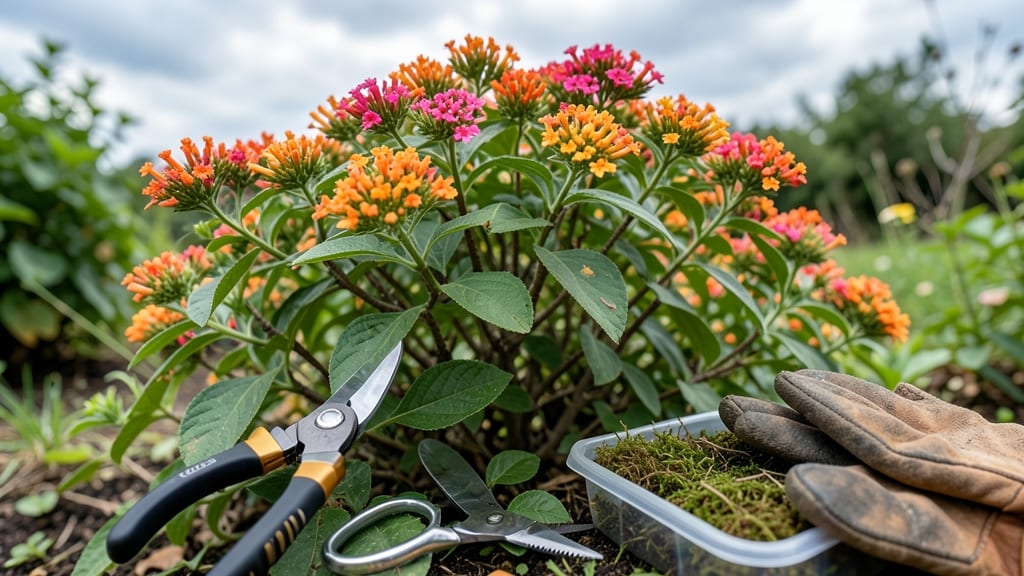
To make lantana bushy, start with a clean cut right after the first flush of blooms ends—this is when the plant’s energy shifts from flowers to foliage. 🌿 I’ve turned leggy, sparse lantana into thick, flowering shrubs by pruning just above leaf nodes, encouraging new growth from those hidden buds.
The key is timing: prune too early, and you’ll sacrifice blooms; wait too long, and you’ll miss the chance to shape the plant for summer’s heat.
You’ll need sharp pruners (dull blades tear stems) and a sunny spot—lantana thrives on full sun, but it rewards pruning with denser foliage and more blooms. After cutting back, water deeply to help the plant recover, and within weeks, you’ll see fresh green shoots pushing out from every trimmed spot.
This isn’t just about looks; bushier lantana also resists pests better and flowers more consistently. The payoff comes in 6-8 weeks with a fuller plant that blooms nonstop from spring to frost.
You’ll end up with a lantana that looks like it’s been growing for years, not one that’s struggling to fill out. The secret? Prune early, prune often—but never more than one-third of the plant at once. Works for both container lantana and in-ground shrubs.
Here’s how to do it without overdoing it—trust me, I’ve turned back my fair share of over-pruned bushes!
📚 In This Guide
- What you need
- Instructions
- Tips and common mistakes
- Wrapping up and next steps
What you need
- ● Pruning shears: Sharp, bypass-style shears (for clean cuts on stems up to ½ inch thick). Pro tip: Sanitize with rubbing alcohol to prevent disease spread! 🔥
- ● Hand pruners: For smaller stems or tight spaces (ergonomic handles recommended for comfort).
- ● Garden gloves: Heavy-duty, cut-resistant (e.g., leather or reinforced fabric) to protect hands from thorns.
- ● Disinfectant (10% bleach solution or hydrogen peroxide): 1 part bleach to 9 parts water (or 3% H₂O₂).
- ● Compost or mulch: 2–3 gallons (for replenishing soil after pruning).
- ● Watering can or hose: With a gentle spray nozzle (lantana hates soggy roots!).
- ● Fertilizer: Slow-release granular fertilizer (10-10-10 NPK ratio) or organic options like fish emulsion.
- ● Plant growth regulator: (e.g., paclobutrazol) to encourage bushiness—follow label instructions! ✨
- ● Stakes or support: For young or leggy lantana (3–4 stakes, 18–24 inches tall).
- ● Pruning saw: For thick, woody stems (rare in lantana but handy for overgrown plants).
- ● Sunlight: Full sun (6+ hours daily)—lantana thrives in warmth!
- ● Well-draining soil: Amend clay soil with perlite or sand if needed.
- ● Patience: Bushy lantana takes 4–6 weeks to show full transformation.
- ● Safety: Wear long sleeves/pants to avoid thorn pricks! 🛡️
Step-by-Step pruning guide for a thick, blooming lantana
Here’s how to turn leggy stems into a lush, flowering lantana—no fancy tools needed.
✂️ Step 1: Prune Back Leggy Stems by One-Third
Start by identifying stems that have stretched too tall or look sparse. Using clean, sharp pruners, cut each leggy stem back to just above a set of leaves—about one-third of its length. This shock encourages new growth from lower buds, creating a fuller shape.
I like to make diagonal cuts just above a leaf node (where leaves attach) to prevent water from pooling. Avoid cutting into woody stems—focus on soft, green growth. You’ll see new shoots emerge within 2-3 weeks, signaling your plant is responding.
🌿 Step 2: Trim Dead or Overcrowded Blooms
After the initial prune, remove any spent flowers by snipping the stem just above the next set of leaves. Deadheading isn’t just for looks—it redirects energy to fresh blooms instead of seed production. Lantana blooms nonstop when you keep it tidy.
If your plant looks too dense, thin out crowded stems by cutting back the weakest ones at the base. This improves airflow, reducing fungal risks. Watch for new buds forming along the remaining stems—that’s your reward for pruning.
☀️ Step 3: Pinch New Growth for Bushier Branches
Once your lantana starts sprouting fresh growth, pinch off the tips of the newest stems when they reach 4-6 inches tall. This forces the plant to branch out instead of growing tall and leggy again. Pinching is gentle—just pinch with your fingers, no tools needed.
Repeat this every 2-3 weeks during the growing season. You’ll notice more compact, bushy growth within a month, with clusters of blooms along every stem. The key is consistency—lantana responds well to regular light pruning.
💧 Step 4: Fertilize and Water After Pruning
After pruning, water deeply to help the plant recover. Use a balanced, water-soluble fertilizer (like 10-10-10) diluted to half strength. This gives your lantana the nutrients it needs to bounce back with vigorous new growth.
Keep the soil lightly moist but not soggy—lantana hates wet roots. You’ll see bright green leaves and fresh buds within a week, proving your pruning paid off. Avoid heavy feeding right after pruning, though—let it adjust first.
⏰ Step 5: Repeat Monthly for Nonstop Blooms
Once your lantana is bushy, maintain its shape with light prunes every 4-6 weeks. Trim back any stems that get too long or sparse, and deadhead faded blooms regularly. This keeps your plant compact, healthy, and flowering continuously.
In cooler months, reduce pruning but keep an eye out for leggy growth. A little maintenance now means a full, vibrant lantana all season long. The more you prune, the more blooms you’ll get—it’s that simple!
Tips & tricks for pruning a bushy lantana
Here's what nobody tells you about keeping your lantana full and blooming—lessons I learned after watching my first plant turn into a sad, leggy stick.
Tool Prep: Always sterilize your pruners with rubbing alcohol before and after use. I learned this the hard way when my lantana developed brown spots from contaminated tools. A quick wipe between cuts prevents bacterial spread, especially when working with multiple stems. The right tools make all the difference—sharp pruners cut cleanly, which heals faster than jagged cuts.
Season Timing: The best time to prune is in early spring when new growth begins. This aligns perfectly with Step 1's one-third cut, giving your plant maximum growing season to recover. Avoid heavy pruning in fall—your lantana needs to harden off for winter. I've seen plants recover beautifully from spring pruning but struggle when pruned too late in the season.
Visual Cues: When pinching in Step 3, look for stems that have at least 4-6 leaves before pinching. This ensures you're not removing too much growth at once. The leaves are your guide—they tell you where new branches will form. I've found that pinching just above a leaf node (where leaves attach) produces the bushiest results within 2-3 weeks.
Fertilizer Timing: Wait 2-3 weeks after pruning before applying fertilizer. This gives your lantana time to recover from the shock of pruning. I've made the mistake of fertilizing right away, which can burn tender new growth. A light feeding with diluted fertilizer (like 10-10-10) every 4-6 weeks during growing season keeps blooms coming without stressing the plant.
Pro Tips for Make Lantana Bushy
- Here's what nobody tells you about keeping your lantana full and blooming—lessons I learned after watching my first plant turn into a sad, leggy stick.
- Tool Prep: Always sterilize your pruners with rubbing alcohol before and after use.
- Season Timing: The best time to prune is in early spring when new growth begins.
Frequently asked questions
Got questions about keeping your lantana lush and blooming? Here are some common ones—and their answers—to help you grow a thriving, bushy lantana with ease!
When is the best time to prune lantana for bushiness?
Prune your lantana after it blooms in late spring or early summer, then again lightly in early fall. Avoid heavy pruning in winter—lantana is semi-evergreen and can be frost-sensitive. Pro tip: Regular light trims (every 4-6 weeks) encourage denser growth year-round!
How much should I trim back my lantana to make it bushier?
For bushiness, trim back about 1/3 of the plant’s height at a time, focusing on leggy stems. Cut just above a leaf node or bud to encourage branching. Avoid shearing—lantana blooms best with natural shape! Warning: Over-pruning can stress the plant, so go slow.
My lantana looks sparse—could pests or disease be the problem?
Check for aphids, spider mites, or whiteflies (common culprits) on undersides of leaves. Yellowing leaves or black spots? It might be fungal disease. Treat pests with neem oil or insecticidal soap, and improve airflow by thinning dense growth. Preventative tip: Healthy soil (well-draining, slightly acidic) keeps lantana resilient!
Can I grow lantana in containers to keep it bushy?
Use a large container (12+ inches wide) with drainage holes and a fast-draining potting mix. Prune regularly (every 3-4 weeks) to control size and shape. Bonus: Container lantana blooms even more prolifically with frequent light trims!
What if my lantana won’t bloom after pruning?
Lantana needs full sun (6+ hours/day) and well-draining soil to bloom. If it’s not flowering, check for:
- Over-fertilizing (too much nitrogen = leafy growth, no blooms)
- Underwatering (lantana is drought-tolerant but needs consistent moisture)
- Old wood (prune back to younger stems to stimulate new growth)
Wrapping up and next steps
Transforming your lantana into a lush, blooming powerhouse is simpler than you think—just follow the right pruning tricks! With consistent care, proper timing, and a little patience, you’ll enjoy nonstop vibrant blooms all season long. 🌸
Ready to see your lantana thrive? Start by booking a quick check-in with your plant’s growth habits—prune, fertilize, and repeat! Whether you’re a gardening pro or just starting, every trim brings you closer to that bushy, beautiful vision. Happy gardening! 🌿✨