
Pruning
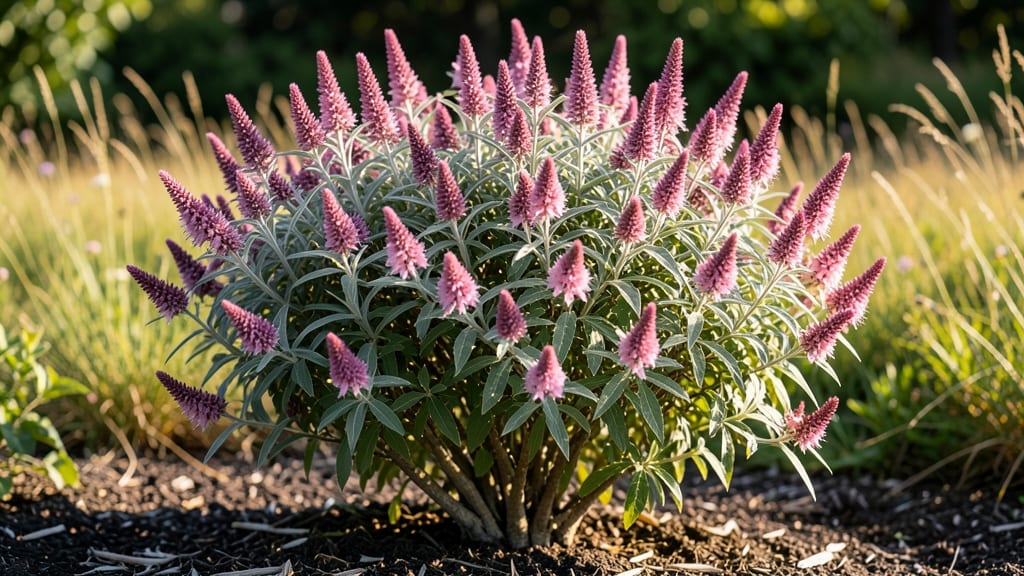
This bi-color butterfly bush (Buddleia spp.) transforms your garden into a magnet for pollinators with its striking lavender-and-white blooms. 🌸 I planted mine last spring, and within weeks, butterflies and bees were swarming—it’s like having a living, buzzing waterfall of color.
The secret to those vibrant blooms lies in the right pruning approach, which I’ll share with you to keep your shrub lush and productive all season. The key to success starts with the right spot: full sun and well-drained soil are non-negotiable.
My plant thrives in zones 5-9, and even in hot summers, it never wilts. Water deeply once a week (or more in extreme heat), but avoid soggy roots—this bush hates being overwatered. The bi-color variety is hardier than standard butterfly bushes, so it handles drought and cold better too.
Pruning in late winter or early spring is where the magic happens. Cut back one-third of the old growth to encourage fresh, colorful blooms. The first flush of flowers appears in late spring, and with proper care, you’ll get three to four blooming cycles by fall.
Just avoid heavy pruning after mid-summer—you’ll sacrifice those late-season blooms. For experienced gardeners, try selective pruning to shape the bush or renewal pruning every few years to rejuvenate older stems. The payoff? A bush that’s disease-resistant, low-maintenance, and a pollinator powerhouse.
Ready to turn your yard into a butterfly paradise?
📚 In This Guide
- What you need
- Instructions
- Tips and common mistakes
- Wrapping up and next steps
What you need
- ● Bi-color butterfly bush plant: Choose a healthy, established plant (3+ years old for best results) with purple-and-white bicolored blooms.
- ● Pruning shears: Sharp, bypass-style (avoid dull tools that crush stems). Quantity: 1 pair.
- ● Gloves: Heavy-duty gardening gloves (to protect from thorns and sap). Quantity: 1 pair.
- ○ Compost or fertilizer: Balanced 10-10-10 or slow-release (optional but recommended for post-pruning growth). Quantity: 1–2 cups per plant.
- ● Hose or watering can: For post-pruning hydration. Quantity: 1.
- ● Mulch: Shredded bark or wood chips (to retain moisture and suppress weeds). Quantity: 2–3 inches around the base.
- ○ Plant support (optional): Stakes or cages if your bush is leggy or in a windy area.
- ● Disinfectant (70% isopropyl alcohol): To clean tools between cuts (prevents disease spread).
- ● Best time to prune: Late winter/early spring (before new growth) or right after the first flush of blooms (for a second flush).
- ● Weather: Mild, dry day (avoid pruning in wet or freezing conditions).
- ● Sunlight: Full sun (6+ hours/day) for optimal blooming.
- ● Well-draining soil: Butterfly bushes tolerate a range but thrive in sandy loam with pH 6.0–7.5.
Step-by-Step pruning for year-round bi-color butterfly bush blooms
Here’s how to coax vibrant purple blooms from your bi-color butterfly bush all season long.
✂️ Step 1: Prune for Structure in Early Spring
When new growth appears in late February to March, grab your pruners and remove one-third of the oldest stems at the base. These are the thick, woody branches that no longer produce flowers. Cut just above a bud or leaf node—this encourages fresh, flowering growth from the base.
I like to make my cuts at a 45-degree angle to prevent water from pooling on the stem. This also gives you a visual cue for future pruning: always cut above a bud facing outward. If your bush looks leggy, trim back the tallest stems by half their length—this forces bushier growth and more blooms.
🌿 Step 2: Deadhead Spent Blooms for Continuous Flowers
As soon as flowers fade, snip them off at the first set of leaves below the bloom. This prevents seed formation and redirects the plant’s energy into new flowers. I do this weekly during peak bloom (late spring to summer) and notice a second flush of blooms within 10-14 days of deadheading.
Don’t skip this step—if you let seed pods form, the plant will focus on reproduction instead of producing more flowers. Use clean, sharp pruners to avoid tearing stems, which can invite disease. A quick wipe with rubbing alcohol between cuts keeps your tools sterile.
⏰ Step 3: Light Pruning in Mid-Summer for Airflow
By July or August, your butterfly bush may look dense and crowded. Thin out overlapping branches to improve airflow and reduce humidity, which prevents fungal diseases like powdery mildew. Aim to leave 4-6 inches between stems—this mimics the plant’s natural spacing in the wild.
If any branches are dead or diseased, remove them entirely. You’ll know a branch is dead if it’s hollow when you cut into it or if it snaps instead of bending. Always prune in the morning when the plant is hydrated—this reduces stress and helps it recover faster.
✂️ Step 4: Renewal Pruning in Late Fall or Early Winter
After the first frost, but before the ground freezes, give your butterfly bush a hard prune. Cut back all stems by half, including last year’s growth. This isn’t just about shaping—it rejuvenates the plant and prepares it for a stronger spring. I like to do this in November, when the plant is dormant but still visible.
If your bush is particularly vigorous, you can even prune it back to 6-12 inches tall. Don’t worry—this dramatic cut won’t kill the plant. In fact, it often results in bushier, more prolific blooms the following year. Just avoid pruning in extreme cold or when the ground is frozen.
☀️ Step 5: Post-Pruning Care for a Strong Recovery
After any major pruning, give your butterfly bush a deep watering to help it recover. Focus on the root zone, not the foliage, to encourage root growth. I also add a balanced fertilizer (10-10-10) in early spring to support new growth. Avoid heavy fertilizers in late summer—they promote tender growth that won’t survive winter.
Watch for new shoots emerging from the base within 2-3 weeks. These are your plant’s way of telling you it’s happy and ready to rebound. If you notice any yellowing leaves after pruning, it’s usually a sign of overwatering—let the soil dry out slightly before watering again.
Tips & tricks for pruning your bi-color butterfly bush
These seasonal strategies will transform your butterfly bush from a struggling shrub into a blooming powerhouse—without the guesswork.
Timing is Everything: The late February to March window for Step 1 is critical because this aligns with the plant's natural dormancy break. If you prune too early, you risk damaging tender new growth. I've learned the hard way that waiting until you see fresh green buds emerging (usually around Valentine's Day in most climates) gives the best results. For zones with unpredictable winters, err on the side of waiting until late March—your bush will thank you with more vigorous growth.
Visual Cues for Perfect Cuts: When making those 45-degree cuts in Step 1, look for buds that face outward on the stem. These are your growth points for the season. I like to think of it like planting a new branch—you're creating the framework for next year's flowers. For the leggy stems you're trimming by half, focus on cutting just above a leaf node where you can see two healthy buds. This ensures you're not leaving stubs that can rot or invite pests.
Deadheading Discipline: The weekly deadheading in Step 2 might seem tedious, but it's the secret to that second flush of blooms. I've seen bushes go from one burst of flowers to continuous blooms for months just by sticking to this schedule. Pro tip: Use small pruning shears or even clean scissors for this task—it's quicker than digging out your big pruners. And always cut at that first set of leaves below the bloom, not where the flower stem meets the branch. This prevents ugly stubs and encourages stronger regrowth.
Seasonal Pruning Calendar: Mark your gardening calendar with these key dates:
- February 28-March 15: Structural pruning (Step 1)
- June 1-August 31: Weekly deadheading (Step 2)
- July 15-August 15: Airflow pruning (Step 3)
- November 1-15: Renewal pruning (Step 4)
This schedule keeps your butterfly bush in peak condition year-round. The November hard prune might feel drastic, but it's what gives these bushes their legendary resilience and prolific blooming the following season.
Pro Tips for Bi Color Butterfly Bush
- These seasonal strategies will transform your butterfly bush from a struggling shrub into a blooming powerhouse—witho...
- Timing is Everything: The late February to March window for Step 1 is critical because this aligns with the plant's n...
- Visual Cues for Perfect Cuts: When making those 45-degree cuts in Step 1, look for buds that face outward on the stem...
Frequently asked questions
Got questions about your bi-color butterfly bush? You’re not alone! Here are answers to the most common queries—from pruning tips to care hacks—to keep your plant thriving and blooming all season.
When is the best time to prune a bi-color butterfly bush?
Prune your Buddleia davidii in early spring (just as new growth starts) to shape it and encourage fresh blooms. A second light pruning in late summer can extend fall color. Avoid heavy cuts in winter—it’s dormant! Pro tip: Deadhead spent blooms regularly for nonstop flowers.
How much should I cut back my butterfly bush each year?
For healthy growth, trim back 1/3 of the plant’s height in early spring. If it’s overgrown, you can cut up to half—but never remove more than 50% in one go. Over-pruning stresses the plant. Note: Bi-color varieties (like ‘Royal Butterfly’) may need slightly less aggressive pruning to preserve their striking foliage colors.
Why isn’t my butterfly bush blooming as much as it should?
Lack of blooms often means over-fertilizing with high-nitrogen (promotes leaves, not flowers) or not enough sunlight (6+ hours daily is ideal). Also, check for dead or crowded centers—thinning these out can boost airflow and blooms. If it’s young, be patient—it may take 1–2 years to mature.
Can I grow a bi-color butterfly bush in a container?
Yes! Choose a large pot (15+ gallons) with drainage holes and use well-draining soil. Containers dry out faster, so water deeply 2–3 times a week in summer. Dwarf varieties like ‘Lo & Behold®’ are perfect for pots. Warning: Root-bound plants bloom less—repot every 2–3 years if needed.
Are bi-color butterfly bushes prone to pests or diseases?
They’re generally tough, but watch for aphids, spider mites (dry conditions attract them), and powdery mildew (from poor airflow). Treat pests with neem oil and improve circulation by pruning. Overwatering causes root rot—let soil dry between waterings. Quick fix: Trim affected leaves and space plants 3–5 feet apart.
What’s the difference between a bi-color and regular butterfly bush?
Bi-color varieties (e.g., ‘Royal Butterfly’) have foliage with two tones (purple-pink or green-purple) alongside their fragrant blooms, while standard types like ‘Black Knight’ focus on deep purple flowers. Bi-color bushes add visual drama but may need slightly gentler pruning to preserve foliage color.
Wrapping up and next steps
Transforming your garden with a bi-color butterfly bush is easier than you think! With the right pruning techniques—like spring cleanup and seasonal shaping—you’ll enjoy vibrant purple blooms all season long. 🌸 Remember, consistency is key: a little effort now means a stunning display later.
Ready to take action? Grab your pruners and schedule your first trim this weekend. Your butterfly bush (and pollinators!) will thank you. Happy gardening! ✂️🌿