
Pruning
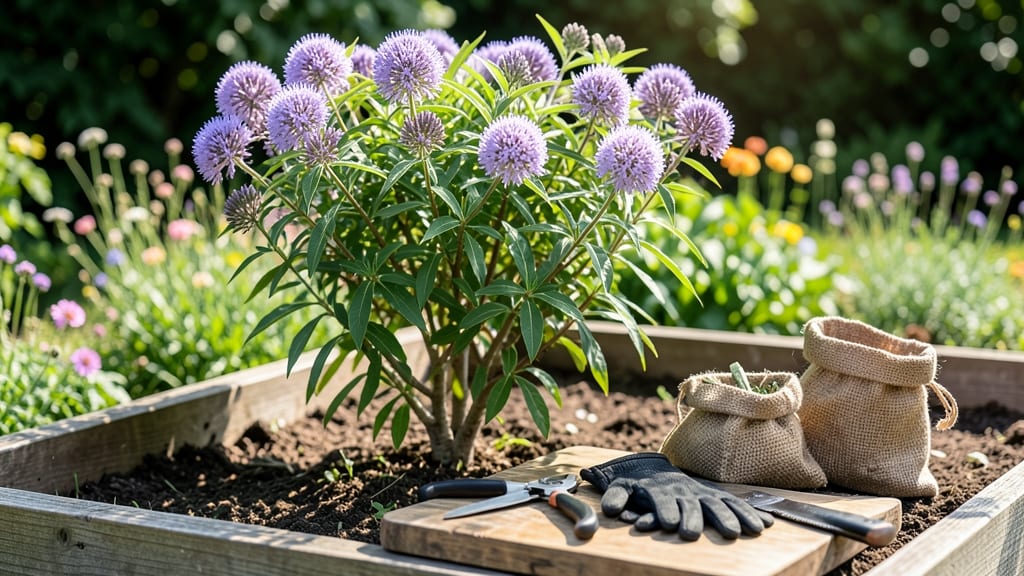
Pruning a buddleia bush transforms it from a straggly mess into a nonstop summer bloom machine—and the secret starts with a single cut in late winter. 🌿 I’ve watched my buddleia go from sparse, leggy branches to a burst of purple clouds by mid-June, all because of this one technique.
The key is timing and technique: prune back to a strong pair of buds after the last frost, and you’ll encourage thick, bushy growth that flowers for months. Most people overlook this step, but it’s what turns a buddleia from a one-time showstopper into a repeat performer all season long.
You’ll end up with healthier stems, more blooms, and a plant that looks like it belongs in a botanical garden—not just a backyard corner. The process takes less than 30 minutes once you get the hang of it, and the difference in your plant’s appearance is shocking.
Works for any buddleia variety, from the classic ‘White Profusion’ to the deep purple ‘Royal Red.’ Let’s get those shears sharpened!
📚 In This Guide
- What you need
- Instructions
- Tips and common mistakes
- Wrapping up and next steps
What you need
- ● Pruning shears – Bypass pruners (sharp, 5-7" blades) for clean cuts on smaller stems. Quantity: 1 pair.
- ● Loppers – Heavy-duty, bypass or anvil type (8-10" blades) for thicker branches. Quantity: 1 pair.
- ○ Hand pruners – For fine-tuning deadheading or small cuts. Quantity: 1 pair (optional but handy).
- ● Gloves – Garden gloves (cut-resistant, medium-weight) to protect hands from thorns and sap. Quantity: 1 pair.
- ● Disinfectant – Rubbing alcohol (70%+) or bleach solution (1:9 ratio with water) to sterilize tools between cuts (prevents disease). Quantity: Small bottle or spray.
- ● Pruning saw – Curved-tooth saw (for stubborn, thick branches >1.5" diameter). Quantity: 1 (if needed).
- ● Garden twine or ties – Soft, stretchy twine (for temporary support if pruning heavily). Quantity: Small roll.
- ● Safety glasses – Protects eyes from debris (especially when sawing).
- ● Knee pads – For comfort if pruning a large or low bush.
- ● Trash bags or bucket – For collecting pruned branches (compost or dispose).
- ● Marking spray – Non-toxic paint or chalk to mark cuts before pruning (helpful for beginners).
- ● Extension pole – Lopper or pruner with a pole (for tall bushes, 6-8 ft).
Step-by-Step instructions for pruning a buddleia bush
Here's how I keep my buddleia blooming like crazy all summer—no green thumb required.
✂️ Step 1: Time Your Pruning for Maximum Blooms
Prune your buddleia in late winter or early spring, right before new growth begins. This is crucial because buddleia flowers on new wood, meaning fresh growth produces the blooms. If you prune too late, you'll cut off next year's flowers. Look for dormant stems with no leaves or buds—this is your signal it's time.
I always wait until after the last frost date in my zone (Zone 5 here). The plant should still look completely bare, like it's taking a winter nap. If you see even a hint of green, hold off a few more weeks. Patience here pays off with nonstop blooms all summer.
✂️ Step 2: Cut Back Hard to Encourage Bushy Growth
Buddleia thrives when pruned hard, so grab your pruners and cut back one-third to one-half of the previous year's growth. I aim to leave 4-6 strong stems per bush, cutting just above a bud or leaf node (the bump where leaves grow out). This encourages the plant to branch out and produce more flowers.
Here's the thing—don't be afraid to get aggressive. You'll see lots of bare stems after pruning, but trust me, the bush will bounce back. I like to make my cuts at a 45-degree angle about ¼ inch above the node to prevent water from pooling on the cut. This small detail keeps diseases away and helps the plant heal faster.
🌿 Step 3: Deadhead Regularly During the Growing Season
Once your buddleia starts flowering, deadhead spent blooms every 1-2 weeks to keep the plant producing new flowers. Simply snip off the faded flower clusters, cutting back to the next set of leaves or buds. This might seem tedious, but it's what keeps your bush looking full and blooming continuously.
I do this on a weekly basis during peak bloom season (June through August). You'll notice the plant starts to look a little tired by mid-summer, so don't skip this step. If you let too many flowers go to seed, the plant will focus its energy on seed production instead of making new blooms. Think of deadheading as giving your buddleia a little nudge to keep going.
✂️ Step 4: Lightly Prune in Late Summer for Shape and Health
In late summer, do a quick check of your buddleia. Remove any dead, diseased, or crossing branches to improve airflow and shape. I also look for any stems that are growing too long or leggy—these can be cut back by about one-third to encourage bushier growth. This isn't as drastic as the spring pruning, but it keeps the plant looking neat and healthy.
Use clean, sharp pruners to make your cuts—dull blades can crush stems and invite disease. After pruning, I give the plant a light drink of water to help it recover. This late-summer trim isn't about encouraging new blooms (since they form on new wood), but about keeping the plant strong and well-shaped for next year.
⏰ Step 5: Clean Up and Prepare for Next Year
In fall, after the plant has finished blooming for the season, do a final cleanup. Remove any dead or diseased branches and rake up fallen leaves to reduce the risk of fungal diseases overwintering. I also like to give the base of the plant a light mulch (about 2 inches) to protect the roots from harsh winter temperatures.
This is also a good time to mark your pruning spot if you're unsure where to start next year. I use a bright-colored ribbon tied to a nearby stake to remind me where to begin. Buddleia is a tough plant, but a little preparation goes a long way in keeping it healthy and blooming beautifully year after year.
Tips & tricks for perfect buddleia pruning
These simple tricks will help you transform your buddleia into a blooming powerhouse without any gardening stress.
Timing is Everything: If you're in a colder climate like Zone 5, mark your calendar for after the last frost date—this is your golden window for Step 1. I've seen buddleias miss their entire bloom season when pruned too early, so check your local frost dates. For warmer zones, aim for late winter when the plant still looks dormant. A quick way to test readiness: gently scratch the bark—if it's still firm and no green shows, you're good to go!
The Right Cut Angle Matters: In Step 2, when you're making those 45-degree cuts about ¼ inch above the bud node, here's what nobody tells you—use a sharp pruner and cut cleanly. Dull blades tear the stems, which can invite fungal infections. I like to wipe my pruners with rubbing alcohol between cuts to keep them sterile. This small habit makes a huge difference in how quickly your bush recovers and blooms.
Deadheading Frequency Secret: The instructions say every 1-2 weeks, but here's my real talk: I do it weekly during peak bloom (June-August) because that's when my buddleia gets lazy. If you notice the flowers starting to brown but you've only been deadheading every two weeks, you're missing out on that continuous bloom effect. Think of it like trimming your hair—regular maintenance keeps it looking fresh!
Late-Summer Shape-Up: In Step 4, when you're giving your bush a quick shape-up, focus on removing crossing branches first—they compete for sunlight and air flow. I also look for any stems that are growing straight up like a flagpole, cutting them back by one-third to encourage bushier growth. This is your chance to sculpt your plant into the perfect shape without stressing it too much.
Pro Tips for Pruning A Buddleia Bush
- These simple tricks will help you transform your buddleia into a blooming powerhouse without any gardening stress.
- Timing is Everything: If you're in a colder climate like Zone 5, mark your calendar for after the last frost date—this is your golden window for Step 1.
- The Right Cut Angle Matters: In Step 2, when you're making those 45-degree cuts about ¼ inch above the bud node, here's what nobody tells you—use a sharp pruner and cut cleanly.
Frequently asked questions
Got questions about keeping your Buddleia bush in top shape? You’re not alone! Here are answers to the most common queries—so you can prune with confidence and enjoy those stunning blooms all season long.
When is the best time to prune a Buddleia bush?
The ideal time to prune Buddleia is late winter or early spring (before new growth starts), but you can also do a light trim after flowering to encourage more blooms. Avoid pruning in fall—it removes next year’s flower buds! For established bushes, a hard prune (cutting back to strong stems) in early spring works wonders.
How much should I cut back a Buddleia bush?
For first-year bushes, prune lightly to shape. For mature bushes (2+ years old), cut back 1/3 to 1/2 of the plant to the strongest stems or buds. Never remove more than 50%—this keeps the bush healthy and blooming. Pro tip: Look for swollen buds at the base of stems; these are your future blooms!
What if I skip pruning my Buddleia?
If you skip pruning, your Buddleia may grow leggy, produce fewer flowers, or even become woody and sparse. Over time, unpruned bushes can also develop weak stems that flop under their own weight. A little effort now means big, bushy blooms all summer!
Can I prune Buddleia in summer?
Yes, but lightly! After the first flush of flowers fades, you can deadhead (snip spent blooms) to encourage more flowers. Avoid heavy pruning in summer—it stresses the plant and may stunt new growth. Save the big cuts for late winter/early spring.
What if my Buddleia doesn’t bloom after pruning?
No blooms? Check these fixes:
- Pruned too late? Buds form in fall/winter—prune before then.
- Not enough sunlight? Buddleia needs 6+ hours of sun daily.
- Over-fertilized? Too much nitrogen = leafy growth, fewer flowers.
- Old wood? If stems are woody and bare, it’s time for a renewal prune.
Wrapping up and next steps
Pruning your Buddleia doesn’t have to be intimidating—it’s all about timing, technique, and a little patience! 🌿 With the right tools and a clear plan, you’ll keep your butterfly magnet blooming beautifully all season long. Now’s the perfect time to grab those shears and give your bush the TLC it deserves.
Ready to take your gardening skills to the next level? Start by scheduling your next pruning session—mark your calendar for late winter or early spring to prep for the blooming rush ahead. Happy pruning!