
How To
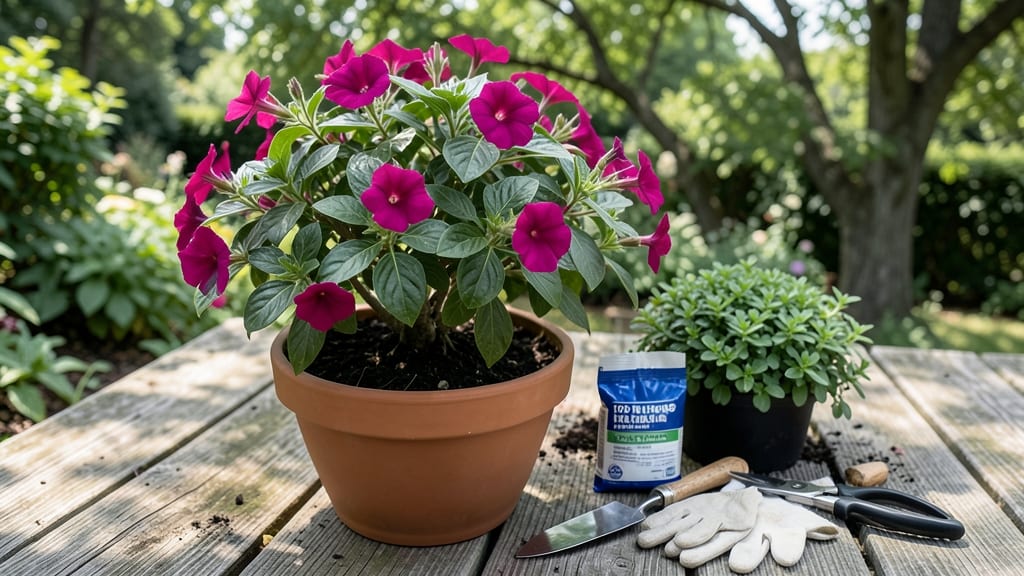
Pinching impatiens stems at the right time turns leggy plants into lush, flower-packed bushes that last all summer. 🌸 I’ve turned my impatiens from sad, sparse stems into vibrant, bushy giants by mastering just three techniques: strategic pruning, proper light, and a little fertilizer know-how.
The secret isn’t complicated—it’s about encouraging the plant to branch out instead of growing tall and bare.
Start by pinching the tips of new growth when stems reach 4-6 inches tall. This forces the plant to produce side branches, creating a fuller shape. Use clean scissors or your fingers to snip just above a leaf node, and repeat every 2-3 weeks during the growing season.
For outdoor plants, morning sun and afternoon shade keep them happy without scorching, while indoor growers need 6+ hours of bright light daily.
Feed your impatiens with a balanced, water-soluble fertilizer every 4-6 weeks to support new growth. Over-fertilizing causes weak stems, so dilute to half-strength if you notice rapid but floppy growth. The payoff? Thick, compact foliage covered in blooms from spring to frost—no more bare stems or sad-looking pots.
This method works for both patio pots and hanging baskets, and it’s perfect for beginners. Just avoid overwatering (impatiens hate soggy roots) and don’t prune too late in the season—you’ll stunt fall blooms.
With these simple steps, your impatiens will look like they’ve been professionally groomed, not just left to their own devices.
📚 In This Guide
- What you need
- Instructions
- Tips and common mistakes
- Wrapping up and next steps
What you need
- ● Pruning shears or sharp scissors – Clean, sterilized tools (small, bypass-pruners work best for precision).
- ○ Gloves (optional but recommended) – Garden gloves to protect your hands from thorns or sap.
- ● Rubbing alcohol or bleach solution – 70% isopropyl alcohol or 1 part bleach to 9 parts water to sterilize tools between cuts.
- ○ Garden twine or plant ties (optional) – For staking young or leggy stems if needed.
- ○ Balanced fertilizer (optional) – 10-10-10 or slow-release granules to boost post-pruning growth.
- ● Watering can or hose with a gentle nozzle – For post-pruning hydration (avoid soaking the soil).
- ● Healthy impatiens plants – Choose plants with at least 4–6 sets of true leaves (avoid overcrowded or diseased ones).
- ● Sunlight knowledge – Impatiens thrive in partial shade (2–6 hours of morning sun)—prune accordingly.
- ● Patience & timing – Best to prune in spring or early summer (avoid late summer/fall for tender new growth).
Step-by-Step instructions for pinching and pruning impatiens
Here's the method I rely on to transform leggy impatiens into lush, bushy plants that keep flowering all season.
🌱 Step 1: Identify the Right Time to Pinch
Pinch impatiens when they're young and actively growing, ideally in early spring after your last frost date or when you first notice 4-6 sets of true leaves (not the initial seed leaves). This timing encourages branching before the plant gets too tall and leggy. I always wait until morning to pinch—new growth responds better to fresh light conditions.
Look for stems with at least 2-3 inches of growth between leaf nodes. These are the spots where new branches will form. If you wait too long, the plant may have already stretched toward light, and pinching won't produce the same bushy effect. Real talk: I've let impatiens get too tall before, and pinching later just makes them look uneven.
✂️ Step 2: Pinch Correctly for Maximum Branching
Use clean, sharp scissors or fingers to pinch off the top 1/4 to 1/2 inch above a leaf node where multiple leaves meet. This is where new growth will sprout from the sides. I pinch just above the leaf node—not in the middle of a stem—because that's where dormant buds hide, waiting to grow into new branches.
Don't cut too far down the stem; you want to leave enough foliage to photosynthesize and support new growth. If you're working with a mature plant that's already leggy, you can pinch back multiple stems, but focus on the top third of the plant first. This ensures you're not removing too much leaf surface area at once, which can stress the plant.
☀️ Step 3: Provide Ideal Growing Conditions After Pinching
After pinching, move your impatiens to a spot with bright, indirect light (think dappled shade or morning sun). Too much direct sunlight can scorch new growth, while too little light will make the plant grow slowly and weakly. I place mine near an east-facing window or under a sheer curtain if they're indoors.
Water consistently after pinching—keep the soil evenly moist but not soggy. Stick your finger 1 inch into the soil; if it feels dry, it's time to water. Overwatering after pinching can cause root stress, while underwatering can make the plant focus on survival instead of branching. You'll see new growth emerging from the leaf nodes within 2-3 weeks.
🌿 Step 4: Prune Regularly to Maintain Shape and Encourage Blooms
Once your impatiens start branching, continue pruning throughout the growing season to maintain their shape. Every 4-6 weeks, trim back leggy stems by 1/3 of their length, cutting just above a leaf node. This keeps the plant compact and encourages more flowering. I always prune in the morning so the cuts have time to heal before evening.
Deadhead spent blooms regularly to redirect the plant's energy into producing more flowers instead of seed pods. Pinch back stems that have finished flowering by cutting just above the next set of leaves. This isn't just about looks—it's about keeping your impatiens productive and bushy all season. If you notice any yellowing leaves, trim those off too; they're a sign of stress or disease and can drain energy from the rest of the plant.
⏰ Step 5: Adjust Care for Year-Round Bushiness
To keep impatiens bushy year-round, adjust your care based on the season. In summer, they may need more frequent watering (every 2-3 days if the soil feels dry), while in winter, reduce watering to every 7-10 days and move them to a cooler spot (around 60-65°F). I even bring potted impatiens indoors for winter if temperatures drop below 40°F.
Fertilize lightly every 4-6 weeks with a balanced, water-soluble fertilizer (like 10-10-10) to support steady growth. Avoid heavy-handed fertilizing—impatiens are sensitive to salt buildup, which can burn roots. You'll know you're doing it right when your plants stay compact, green, and blooming continuously. If they start looking sparse or leggy again, it's time to pinch and prune once more!
Tips & tricks for perfectly bushy impatiens
Here's what nobody tells you about keeping your impatiens full and flowering—these tricks will transform your leggy plants into lush, thriving bushes.
Timing is Everything: The 4-6 sets of true leaves mentioned in Step 1 is your golden window—this is when impatiens are most responsive to pinching. I learned this the hard way after ruining three batches by waiting too long; the plant's growth hormones shift after this stage, making branching much less effective. Morning pinching (as noted) gives new growth a full day of sunlight to photosynthesize, which kickstarts that bushy transformation faster.
Precision Pinching Pays Off: That 1/4 to 1/2 inch above the leaf node in Step 2 might seem like a small detail, but it's where the magic happens. Pinch too high and you remove potential growth points; too low and you leave no room for new branches to form. I use my fingernail to mark the exact spot before pinching—this consistency makes all the difference in achieving that dense, compact shape. For mature plants, focus on the top third first; this maintains the plant's energy balance while encouraging fuller growth.
Light and Water Balance: After pinching, the bright, indirect light requirement in Step 3 is non-negotiable. I've seen impatiens burn under direct afternoon sun or stretch weakly in dim corners—both scenarios defeat the purpose of pinching. Pair this with the 1-inch soil moisture check to avoid stress. Overwatering triggers root rot, while underwatering forces the plant to prioritize survival over branching. The 2-3 week window for new growth is your reward for getting this balance right.
Seasonal Adjustments: Those 60-65°F winter temperatures in Step 5 aren't arbitrary—they're the sweet spot for impatiens' metabolic slowdown. Below 40°F, bring them indoors immediately; above 70°F in summer, increase shade and water frequency. I keep a small thermometer near my plants to track these thresholds—it's the secret to maintaining that bushy shape year-round without stressing the plant.
Pro Tips for Make Impatiens Bushy
- Here's what nobody tells you about keeping your impatiens full and flowering—these tricks will transform your leggy plants into lush, thriving bushes.
- Timing is Everything: The 4-6 sets of true leaves mentioned in Step 1 is your golden window—this is when impatiens are most responsive to pinching.
- Precision Pinching Pays Off: That 1/4 to 1/2 inch above the leaf node in Step 2 might seem like a small detail, but it's where the magic happens.
Frequently asked questions
about growing bushy impatiens—because even pros need a little help sometimes!When is the best time to pinch impatiens for bushier growth?
Pinch impatiens early and often—start when they’re 4–6 inches tall and have 4–6 true leaves. Repeat every 2–3 weeks until mid-summer. Avoid pinching after early fall, as new growth won’t harden off before winter. Pro tip: Morning pinching reduces stress on plants!
Can I use scissors or should I pinch with my fingers?
Both work! Use clean, sharp scissors for thicker stems or multiple pinches at once. For delicate stems, fingers are gentler and prevent crushing. Key rule: Always pinch just above a leaf node (where leaves meet the stem) to encourage branching.
What if my impatiens get leggy despite pinching?
Leggy growth often means too little light or overcrowding. Move plants to bright, indirect light (6+ hours/day) and space them 6–12 inches apart. If indoors, supplement with a grow light. Bonus fix: Fertilize lightly with a balanced 10-10-10 formula to boost vigor.
Are there alternatives to pinching for bushier impatiens?
Yes! Try these low-effort methods:
- Prune regularly: Trim back leggy stems to encourage bushiness (use clean shears).
- Use growth regulators: Apply paclobutrazol (follow label rates) to slow stem elongation.
- Choose compact varieties: Opt for dwarf or bush-type impatiens (e.g., ‘Super Elfin’ or ‘Accent’ series) for naturally thicker growth.
Why do my impatiens keep dying after pinching?
Over-pinching or stress can weaken plants. Common culprits:
- Pinching too late in the season (post-Labor Day).
- Using dull or dirty tools (sterilize with rubbing alcohol).
- Ignoring water/fertilizer needs post-pinching (keep soil moist but not soggy).
Fix it: Reduce pinching frequency, ensure proper drainage, and avoid wetting leaves when watering.
Wrapping up and next steps
Transforming your impatiens into a lush, bushy beauty is simpler than you think! With the right techniques—like pinching, pruning, and proper care—you’ll enjoy vibrant blooms all season long. Remember, consistency is key: regular maintenance and a little patience will reward you with a thriving, fuller plant.
Now that you’re armed with these tips, go ahead and give your impatiens the love they deserve! 🌿 Next, try experimenting with different fertilizers or companion plants to boost their growth even more. Happy gardening!