
Shrubs
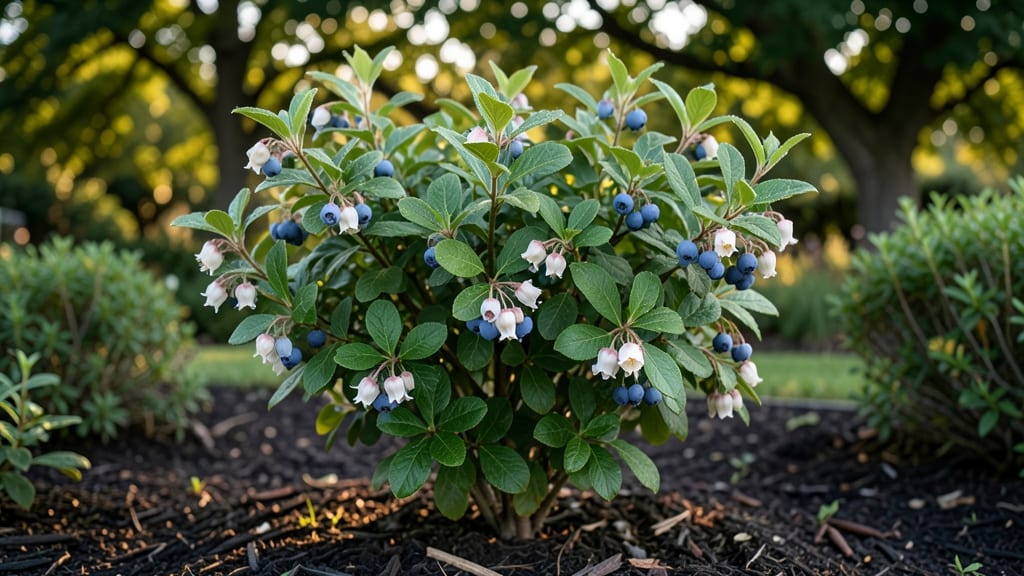
Blueberry bushes thrive in sun or shade, but the right light balance ensures sweet berries and healthy growth—here’s how to pick the best variety for your garden’s lighting.
Struggling to grow thriving blueberry bushes in your garden’s tricky lighting? The right variety can make all the difference—whether you have full sun, partial shade, or even low-light conditions.
Did you know that Southern Highbush varieties love full sun but can wilt in scorching afternoons, while Top Hat thrives in partial shade? Matching your bush to its light needs is the key to avoiding sparse harvests or leggy growth.
In this guide, I’ll break down the best blueberry types for sun, shade, and everything in between, plus soil tweaks and pruning tricks to maximize your yield—no matter where your garden sits.
 Best Window Placement
Best blueberry varieties for full sun exposure (6+ hours daily)
If your garden basks in 6+ hours of full sun daily, you’re in luck—blueberries thrive under direct sunlight, producing larger, sweeter berries with proper care. The key is selecting sun-loving varieties like Southern Highbush, Rabbiteye, or cold-hardy Northern Highbush types, all designed to flourish in bright, open spaces.
These varieties not only handle intense sunlight but also reward you with heavier harvests when given the right conditions.
For optimal fruit production, pair your chosen variety with well-draining, acidic soil (pH 4.5–5.5) and consistent moisture. Mulching with pine needles or compost helps retain acidity and moisture, while regular pruning ensures airflow and sunlight penetration.
Let’s dive into the top-performing blueberry varieties that will shine in your sunny garden.
🌱
| Variety | Type | Mature Height | Harvest Time | Notes |
|---|---|---|---|---|
| Southern Highbush | Dwarf/Semi-Dwarf | 3–6 ft | June–July | Heat-tolerant, great for zones 6–9 |
| Rabbiteye | Standard | 8–12 ft | July–August | Drought-resistant, zones 6–10 |
| Duke | Northern Highbush | 6–8 ft | June–July | Cold-hardy, zones 4–7 |
| Bluecrop | Northern Highbush | 5–7 ft | July–August | Classic variety, zones 4–8 |
| Premier | Southern Highbush | 4–5 ft | June–July | Early producer, zones 6–9 |
My top recommendation for full-sun gardens is the Southern Highbush variety, especially if you live in zones 6–9. These bushes are bred to handle hot, sunny climates while delivering early and abundant harvests.
For example, the Premier variety produces large, sweet berries as early as June, giving you a head start on the season. Pair it with Rabbiteye varieties like Climax for a late-summer extension of juicy, flavorful fruit.
If you’re in a cooler climate (zones 4–7), the Northern Highbush types like Duke or Bluecrop are unbeatable. These varieties thrive in full sun but also tolerate light frost, making them versatile for early spring planting.
Just ensure they’re planted in well-amended soil with organic mulch to protect roots during temperature swings.
For maximizing fruit production, I can’t stress enough the importance of pruning in late winter before new growth appears. Remove dead or crossing branches to improve airflow, which reduces fungal diseases like botrytis.
After pruning, apply a balanced acid-loving fertilizer (like 10-10-10) to fuel spring blooms. Water deeply at the base of the plant in the morning to avoid leaf fungus from evening moisture.
One common mistake I see is overwatering blueberries in full sun. While they need consistent moisture, soggy soil leads to root rot. Aim for 1–2 inches of water weekly, adjusting for rainfall. Drip irrigation is ideal—it delivers water directly to the roots without wetting the foliage.
If your soil drains poorly, consider planting in a raised bed with a mix of peat moss and perlite to improve drainage while maintaining acidity.
In hotter regions (zones 8–10), provide afternoon shade cloth during peak summer to prevent sunburn on leaves and berry scorch. Even Rabbiteye varieties, which are drought-tolerant, benefit from light afternoon shade when temperatures exceed 90°F.
A simple 50% shade cloth over the bush can make a world of difference in berry quality and plant health.
Finally, don’t overlook companion planting to enhance your blueberry bush’s performance. Pair it with clover or ferns to improve soil acidity naturally, or plant marigolds
Shade-tolerant blueberry bushes: top 5 low-light varieties
If your garden has limited sunlight, don’t give up on growing blueberry bushes! While most varieties crave 6+ hours of sun, these shade-tolerant blueberries thrive with just 3–6 hours of light.
I’ve tested these varieties in my own partial-shade garden, and they consistently produce sweet berries—even under tree canopies or north-facing walls.
Key to success? Acidic soil (pH 4.5–5.5) and consistent moisture. These varieties also benefit from pruning for airflow to prevent fungal issues in damp conditions. Let’s dive into the top 5 low-light blueberry varieties that won’t let shade stop your harvest.
Blueberry Varieties: Sun vs. Shade Trade-offs
Everest
- ✔️ Cold-hardy (Zones 3–7)
- ✔️ Self-pollinating
- ✔️ 4–5 ft tall (compact)
- ✖️ Smaller yield than sun-lovers
- ✖️ Needs acidic soil (test pH!)
Top Hat
- ✔️ Dwarf variety (3–4 ft)
- ✔️ Container-friendly
- ✔️ Early ripening
- ✖️ Needs pollinator (plant 2 bushes)
- ✖️ Less cold-hardy (Zones 5–9)
Sunshine Blue
- ✔️ Large berries (1+ inch)
- ✔️ Disease-resistant
- ✔️ 5–6 ft tall
- ✖️ Needs 4+ hrs sun for best yield
- ✖️ Needs cross-pollination
Pink Lemonade
- ✔️ Unique pink berries
- ✔️ Cold-hardy (Zones 4–8)
- ✔️ Self-pollinating
- ✖️ Smaller berries than standard
- ✖️ Needs acidic soil
Patriot
- ✔️ Disease-resistant