
How To
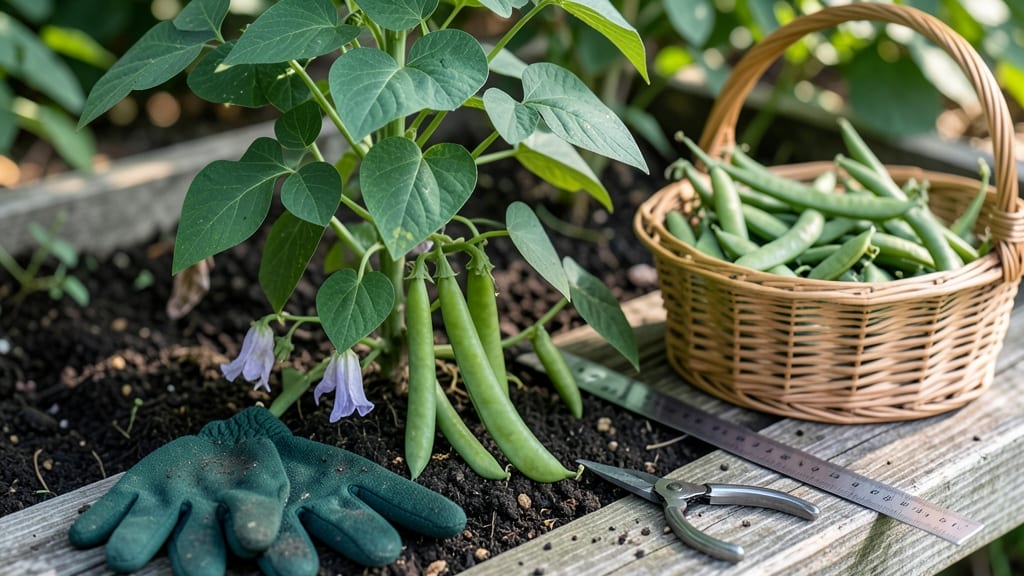
Knowing when bush beans 🌱 are ready to harvest means the difference between crisp, tender pods and tough, stringy disappointment.
Picture this: you’ve been watching your bush beans grow, and now they’re 4-6 inches long with a slight curve. That’s your cue—they’re primed for picking! But miss this window, and you’ll end up with overripe beans that turn woody and lose their sweet flavor.
The key is acting fast once the pods reach the right size and firmness.
Most gardeners rely on a simple finger test: gently squeeze a pod. If it yields slightly but doesn’t feel mushy, it’s ready. Avoid waiting until the pods bulge with seeds or turn pale—those are red flags for overripeness.
Color consistency matters too, whether your beans are green, yellow, or purple, so keep an eye on their vibrancy.
In this guide, I’ll break down the exact visual and tactile cues to spot harvest-ready beans, plus pro tips on how often to pick for a continuous harvest. No more guesswork—just perfect, flavorful pods straight from your garden!

The perfect finger test for harvest-ready bush beans (with visual guide)
There’s nothing worse than biting into a bush bean that’s tough and stringy—usually because you waited too long to harvest. The good news? With the right finger test, you can tell when beans are at their peak in seconds.
This tactile method focuses on three key factors: pod firmness, seed visibility, and size consistency. Mastering it ensures your harvest stays crisp and flavorful.
Start by selecting a mature-looking pod—one that’s reached the typical 4-6 inch length for most varieties. Gently pinch the pod between your thumb and forefinger. A ready-to-harvest bean should feel firm but yield slightly under pressure, like a ripe cucumber.
If it’s rock-hard or feels too tight, it’s not ready yet. This simple squeeze tells you whether the bean’s starch has converted to sugar for that perfect texture.
The seed visibility is another game-changer. Look inside the pod: if the seeds are small and barely visible through the thin skin, you’ve got a winner. But if you can see bulging seeds or the pod feels swollen, it’s past its prime.
Overripe beans toughen up fast, so timing is everything. Pro tip: Use a magnifying glass if your eyes aren’t what they used to be—it’s a lifesaver for spotting those tiny seeds!
Now, let’s talk size cues. Most bush bean varieties hit their sweet spot at 4-6 inches long. Measure a few pods to get a feel for consistency—some varieties like Blue Lake or Kentucky Wonder stay compact, while others like Purple Queen can stretch a bit longer.
If pods are shorter than 3 inches, they’re still developing. Waiting until they reach this range guarantees a harvest that’s both tender and full of flavor.
| Cue | Ready to Harvest | Not Ready | Overripe |
|---|---|---|---|
| Pod Firmness | Firm but yields slightly 🤏 | Rock-hard ⚖️ | Soft or leathery 🌱 |
| Seed Visibility | Seeds tiny, barely visible 🔍 | Seeds not visible 🟢 | Seeds bulging, visible 🌻 |
| Pod Length | 4-6 inches 📏 | Under 3 inches ⚠️ | Over 6 inches ❌ |
| Pod Color | Vibrant, even hue 🌿 | Pale or uneven 🌡️ | Dull or spotted 🌧️ |
| Pod Sound | Snaps cleanly ✂️ | No snap, feels tight 🔒 | Crunchy or hollow 💥 |
Color plays a role too, especially for heirloom varieties. Most green beans should be a deep, even green, while purple varieties like Dragon Tongue will darken to a rich, uniform hue. If the color fades or looks patchy, the pod might be overripe or stressed.
Always check for consistency in color—it’s a surefire sign of freshness. For yellow or wax beans, look for a bright, uniform yellow or cream color without any green streaks.
Harvesting at the right time isn’t just about taste—it’s about encouraging more production. When you pick beans regularly, the plant focuses its energy on producing new pods instead of letting old ones toughen up.
Aim to harvest every 2-3 days during peak season to keep your plants happy and productive. Use sharp hand pruners or garden scissors to avoid damaging the plant, and always cut just above the pod to keep the plant healthy.
One common mistake is assuming all beans are ready at the same time. Blue Lake beans, for example, mature faster than Romano beans, so check multiple pods from different parts of the plant.
If you’re unsure, err on the side of harvesting sooner—beans lose flavor and texture quickly once they’re past their prime. And remember, the
Color and size chart: what bush bean pods look like when fully ripe
Not all bush bean pods ripen the same way—some stay green, others turn yellow or even purple—and each variety has its own ideal size and color cues.
Mastering these visual signals ensures you pick beans at their peak flavor and texture. Let’s break down what to look for with each type.
Most green bush beans (like Blue Lake or Kentucky Wonder) reach harvest readiness when pods are 4-6 inches long and a vibrant, even green color.
Avoid pods that feel tough or have bulging seeds—they’ve passed their prime and will be stringy. Yellow wax beans (e.g., Golden Wax) should be 5-7 inches with a bright, creamy hue.
Purple varieties like Purple Queen or Scarlet Runner (though technically a vine bean) turn a deep purple-brown when ripe, but their pods should still be 4-5 inches long. Always check for smooth texture and a slight give when gently squeezed—this means they’re tender and sweet.
| Variety | Pod Color | Ideal Length | Texture | Seed Stage |
|---|---|---|---|---|
| Blue Lake | Bright green | 4-6 inches | Smooth, slight give | Small, barely visible |
| Golden Wax | Yellow | 5-7 inches | Waxy, firm | Tiny, round |
| Purple Queen | Purple-brown | 4-5 inches | Smooth, tender | Flat, barely seen |
| Romano | Green | 6-8 inches | Flat, crisp | Large, visible |
Overripe beans lose their snap and develop thick, leathery skins—a clear sign you’ve waited too long. For green beans, this means pods turn dull or yellowish; for yellow varieties, they may darken or develop spots. Always harvest in the morning when pods are cool and crispest.
Pro tip: Use a sharp pair of scissors or your fingers to snap pods cleanly at the stem. Avoid pulling—this can damage the plant. If you see pods with bulging seeds or a hollow sound when shaken, it’s time to harvest those first before they toughen up.
Now that you’ve mastered the visual cues, you’ll never miss the perfect moment to pick your bush beans again. Happy harvesting! 🌱