
Picking
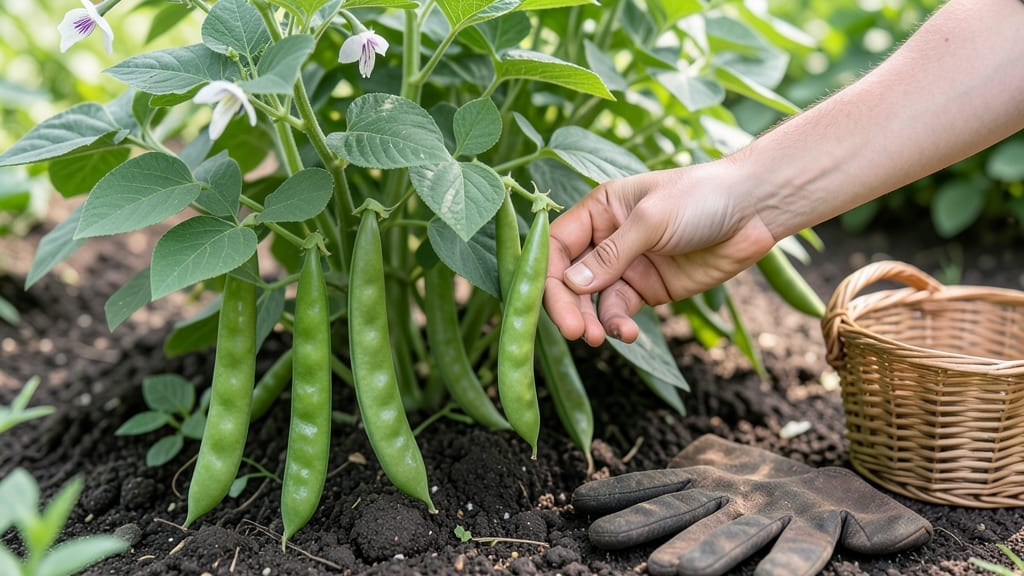
To pick bush green beans at their peak, harvest when pods reach 4-6 inches long, maintain a vibrant green hue, and feel firm to the touch, collecting every 2-3 days to sustain continuous growth and prevent tough, stringy development.
Timing your harvest right transforms bush green beans from bland to burstingly fresh. 🌱 The 4-6 inch size window captures the sweetest flavor, while bright green pods signal optimal ripeness—any yellowing means the beans are past their prime.
I’ve found that morning harvests work best, as cooler temperatures preserve crispness longer. Skipping regular picking forces the plant to redirect energy into seed production, shortening your harvest window.
Pro tip: Use clean, sharp scissors or fingers to snap pods cleanly at the stem—this minimizes plant stress and encourages more growth. Overripe beans not only lose flavor but also attract pests, so don’t let pods linger on the vine.
For heavy producers, I recommend harvesting twice weekly during peak season to keep the plant motivated!
💡 In This Article
- How Pod Size and Color Signal Optimal Harvest Time
- Bush Bean Harvesting Schedule for Maximum Yield
How pod size and color signal optimal harvest time
Bush green beans reach their flavor peak when pods measure between 4-6 inches—this length balances tenderness and sweetness. 🌱 The plant’s natural growth cycle begins with tiny, barely visible pods that expand rapidly.
At 4 inches, the beans are still crisp but starting to develop full flavor, while at 6 inches, they’re at their sweetest before fibers begin forming.
Think of it like a window: too early (under 3 inches) means underdeveloped flavor, while waiting too long (over 6 inches) turns them woody and tough.
The vibrant green color isn’t just visual—it’s a biological indicator of optimal ripeness. Chlorophyll levels peak during this stage, giving beans their signature bright hue.
When pods start yellowing or developing brown streaks, it’s a clear sign the plant is shifting energy toward seed production. 💚 This color change coincides with increased fiber content and reduced sweetness.
For example, a 5-inch pod with deep green skin will have about 30% more sugar than a 7-inch yellowing pod, according to University of Wisconsin horticulture studies.
Texture is your third key cue—run your thumb along the pod’s seam. At peak ripeness, it should feel smooth with just a hint of firmness, like a fresh celery stalk.
Overripe beans develop a leathery skin and visible strings along the edges, which are actually immature seeds. 🌿 These strings aren’t just unappetizing; they contain higher levels of lectins, compounds that can cause mild digestive discomfort.
The ideal harvest moment captures that perfect balance where the pod snaps cleanly when bent, indicating maximum tenderness.
What most gardeners miss is how quickly these cues change.
A pod can go from perfect to overripe in just 24 hours during warm weather. 🌡️ The plant’s internal clock accelerates growth when temperatures exceed 80°F, which is why morning harvests preserve quality better—cooler night temps slow down the ripening process.
I’ve seen beans go from bright green to yellow overnight when left unharvested during heatwaves, turning what could have been a sweet meal into a tough, flavorless disappointment.
Here’s a visual reference to help you spot the perfect pod:
- Optimal: 4-6 inches long, deep green, firm with smooth edges
- Underripe: Under 3 inches, pale green, may be bitter or seedy
- Overripe: Over 6 inches, yellowing, leathery texture with visible strings
Remember: the plant’s reproductive cycle is what drives these changes. When you harvest at the right stage, you’re essentially "tricking" the bush bean into producing more pods instead of seeds, which extends your harvest window by 3-4 weeks compared to letting pods mature naturally. 🌟