
Pests
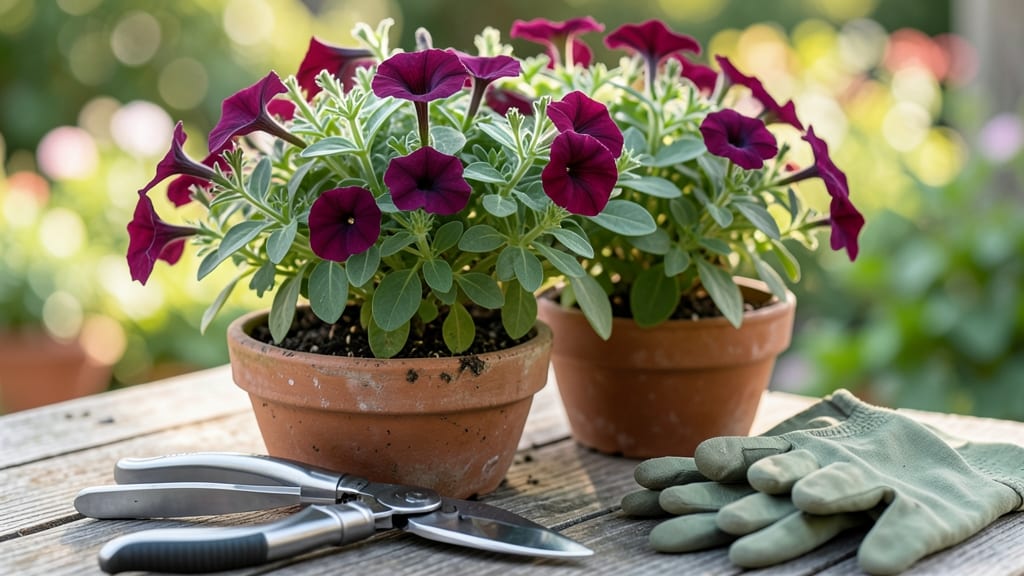
My petunias used to look like sad, stretched-out sticks—until I learned the secret to keeping them bushy and full. ✂️ The key isn’t just water or fertilizer; it’s pruning at the right time and in the right way to encourage compact growth instead of leggy stems.
After my first attempt, my plants doubled in fullness within weeks, and the blooms came faster than ever.
Start by pinching off the tips of new growth when plants are about 6 inches tall. This might sound counterintuitive—why cut off flowers?—but it forces the plant to branch out instead of growing tall.
Use clean, sharp pruners for larger stems, and always cut just above a leaf node (where new growth emerges). A little maintenance now means a thicker, more productive plant later, with fewer gaps where pests or weeds can sneak in.
Feed your petunias with a balanced, water-soluble fertilizer every 2-3 weeks during the growing season, and make sure they get 6-8 hours of sunlight daily. Overcrowding is another silent killer—space plants 10-12 inches apart so air circulates, reducing disease risk.
The result? A lush, overflowing display that turns heads at your porch or patio, with blooms that last from early summer until frost.
For year-round care, reduce watering in fall and cut back dead growth to prep for spring. And here’s the golden rule: never prune more than 1/3 of the plant at once.
Too much too soon stresses the plant and can lead to legginess—exactly what we’re trying to avoid. With this approach, your petunias will stay full and vibrant all season long.
📚 In This Guide
- What you need
- Instructions
- Tips and common mistakes
- Wrapping up and next steps
What you need
- ● Sharp pruning shears – Bypass pruners (for clean cuts) or small handheld shears (for precision). Avoid dull tools—they crush stems!
- ● Gloves – Garden gloves (nitrile-coated for grip and protection from thorns or sap).
- ● Disinfectant – Rubbing alcohol (70% isopropyl) or diluted bleach solution (1 part bleach to 9 parts water) to sterilize tools between cuts and prevent disease.
- ○ Garden twine or plant ties – Soft, stretchy twine (optional but helpful for supporting leggy stems while they regrow).
- ○ Pruning saw (optional but handy) – For thick, woody stems (rare in petunias but useful if overgrown).
- ● Compost or potting mix – Well-draining, nutrient-rich mix (for repotting or refreshing soil after pruning).
- ● Watering can or hose with a gentle spray nozzle – To hydrate plants before and after pruning.
- ● Plant food or fertilizer – Balanced liquid fertilizer (10-10-10 or 20-20-20) to boost regrowth after pruning. Use half-strength to avoid burning roots.
- ● Plant growth regulator (PGR) – Paclobutrazol or similar (for stubborn leggy growth; follow label instructions carefully!).
- ● Garden journal or labels – To track pruning dates and note which techniques work best for your petunias.
- ● Sunhat and sunscreen – Because even garden heroes need to stay comfy! ☀️😎
Step-by-Step instructions for pruning petunias to encourage fullness
Petunias naturally sprawl, but with the right pruning technique, you'll transform leggy stems into lush, bushy blooms.
🌿 Step 1: Identify and Remove Leggy Stems
Leggy growth happens when petunias stretch toward light, creating thin, sparse stems. Look for stems that are longer than 6 inches with few leaves or buds. These are your first targets—cut them back to within 2-3 inches of the base using clean, sharp pruning shears.
Here's the thing—don't panic if you're trimming a lot at once. Petunias are resilient and will respond by focusing energy on the remaining stems. I like to do this early in the morning when the plants are hydrated, making cuts cleaner and reducing stress.
✂️ Step 2: Pinch Back New Growth for Bushier Shape
After removing leggy stems, focus on the remaining growth. When new shoots reach about 4-5 inches tall and have 3-4 sets of leaves, pinch back the top set of leaves. This encourages branching at the base, creating a fuller, more compact plant.
Use your fingers to gently squeeze the stem just above a leaf node. You'll see small side shoots emerge within 7-10 days. This is where the magic happens—each pinch creates 2-3 new stems, multiplying your blooms. Real talk: I used to skip this, and my petunias always looked sparse.
☀️ Step 3: Deadhead Regularly to Stimulate More Blooms
Deadheading spent blooms isn't just about looks—it signals the plant to redirect energy into producing new flowers instead of setting seed. Snip off the faded bloom and the first set of leaves below it (about ½ inch above a leaf node). This prevents the plant from growing tall and leggy again.
I do this every 3-4 days during peak bloom season. You'll notice new buds forming within a week—that's your signal everything is working. If you let flowers go to seed, you'll end up with tall, woody stems and fewer blooms.
💧 Step 4: Adjust Watering and Light for Compact Growth
Petunias grow leggy when they don't get enough light or are overwatered. Ensure your plants receive 6-8 hours of direct sunlight daily. If they're in partial shade, supplement with a grow light for 4-6 hours to encourage bushier growth.
Water at the base in the morning, keeping the soil consistently moist but not soggy. Overwatering leads to weak stems that flop over. You'll know you're doing it right when the soil feels damp 1 inch below the surface but not waterlogged. This keeps roots strong and supports that bushy shape.
⏰ Step 5: Fertilize for Stronger, Full Growth
Use a balanced, water-soluble fertilizer (like 10-10-10) every 2-3 weeks during the growing season. This provides the nutrients needed for robust growth and abundant blooms. I mix it at half-strength to avoid burning the roots—petunias are sensitive to salt buildup.
Apply fertilizer after watering to help distribute it evenly. You'll see a difference in 3-4 weeks with thicker stems and more blooms. Stop fertilizing in late summer to allow the plant to prepare for dormancy if needed.
Tips & tricks for keeping petunias bushy
These simple tricks will help you transform leggy petunias into full, vibrant plants that keep blooming all season.
Timing for Best Results: The early morning is the perfect time to prune—petunias are fully hydrated, making cuts cleaner and reducing stress on the plant. I've found that pruning right after watering (around 8-9 AM) gives the best results, as the plants have moisture to recover quickly. This timing also helps prevent disease by keeping foliage dry during the day.
Pinching Technique: When you pinch back those 4-5 inch shoots in Step 2, make sure you're pinching just above a leaf node—not in the middle of a stem. This is where new growth will emerge. I like to use my thumb and forefinger to make a clean pinch, which is faster than using shears and gives you more control. After pinching, you'll notice new side shoots forming within 7-10 days—this is your reward for patience!
Light and Water Balance: The 6-8 hours of direct sunlight is non-negotiable for bushy petunias. If your plants aren't getting enough light, supplement with a grow light for 4-6 hours daily—this makes all the difference in preventing leggy growth. For watering, I check soil moisture by sticking my finger 1 inch below the surface. If it's dry, water thoroughly; if it's still damp, wait another day. Overwatering is a common mistake that leads to weak stems.
Fertilizer Strategy: That 2-3 week fertilizer schedule works best when applied after watering—this helps distribute nutrients evenly and prevents salt buildup. I've learned the hard way that petunias are sensitive to over-fertilizing, so I always mix the fertilizer at half-strength. You'll notice stronger stems and more blooms within 3-4 weeks of consistent feeding, but remember to stop fertilizing in late summer to prepare plants for dormancy.
Pro Tips for Keep Petunias Bushy
- These simple tricks will help you transform leggy petunias into full, vibrant plants that keep blooming all season.
- Timing for Best Results: The early morning is the perfect time to prune—petunias are fully hydrated, making cuts cleaner and reducing stress on the plant.
- Pinching Technique: When you pinch back those 4-5 inch shoots in Step 2, make sure you're pinching just above a leaf node—not in the middle of a stem.
Frequently asked questions
Got questions about keeping your petunias lush and full? You’re not alone! Here are answers to the most common concerns—so you can enjoy those vibrant blooms all season long.
Why are my petunias growing tall and skinny instead of bushy?
Leggy growth usually means your petunias aren’t getting enough light or are overcrowded. Move them to a sunnier spot (at least 6–8 hours of direct sunlight daily) and pinch back the tips of new growth to encourage branching. Overwatering or poor soil can also contribute—ensure well-draining soil and water only when the top inch feels dry.
How often should I prune petunias for bushiness?
Prune your petunias every 2–4 weeks during the growing season (spring to fall) to maintain shape and encourage fullness. Lightly trim leggy stems or spent blooms after flowering to redirect energy into new growth. Avoid heavy pruning—just snip the tips or remove up to one-third of the plant at a time to avoid stress.
Can I use scissors or should I invest in pruning shears?
For small petunias, clean sharp scissors or small pruning shears work great! Just sterilize them with rubbing alcohol before and after use to prevent disease. Avoid dull tools—they can crush stems, making recovery harder. If you’re pruning larger plants or multiple varieties, dedicated pruning shears (around $10–$20) are worth the investment for precision.
What if my petunias keep getting leggy no matter what I do?
If legginess persists, check for these issues: not enough light (try a grow light for 12+ hours/day indoors), overcrowding (thin out plants or repot), or nutrient deficiency (use a balanced fertilizer like 10-10-10). Deadheading (removing spent flowers) also helps—it signals the plant to focus on foliage and new blooms instead of seeding.
Are there petunia varieties that stay bushy with less pruning?
Yes! Mounding petunias (like ‘Wave’ or ‘Supertunia’) naturally grow fuller and require less pruning than trailing types. Grandiflora varieties also hold their shape better. For minimal effort, choose self-cleaning or supertunia hybrids—they shed spent blooms on their own and stay compact. Just give them bright light and occasional deadheading for best results!
Wrapping up and next steps
Keeping your petunias lush and bushy isn’t just about patience—it’s about consistent care and a little know-how!
With the right pruning techniques, proper sunlight, and balanced fertilization, you’ll transform those leggy stems into a vibrant, full-blooming display. Don’t let a few snips discourage you—every trim brings your petunias one step closer to their best!
Ready to see the results? Grab your shears and get pruning! 🌸 Start with a light trim this weekend, and watch your petunias thrive all season long.