
How To
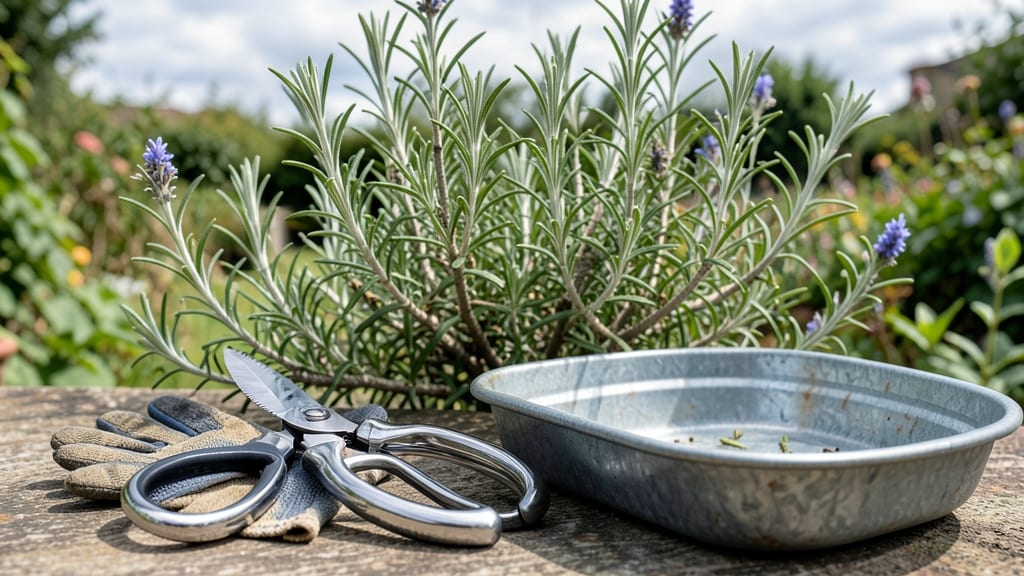
How to make rosemary bushier turns those skinny, woody stems into a lush, fragrant bush—and it’s easier than you think. 🌿 I’ve turned my once-lanky rosemary into a dense, aromatic powerhouse by focusing on two simple cuts: shaping after flowering and trimming leggy growth. The key? Prune at the right time and in the right way to encourage new shoots without sacrificing that signature piney scent.
Start by grabbing your sharp pruners and a clean towel—rosemary bleeds resin, which can clog blades. After the plant flowers (usually late spring to early summer), cut back about one-third of the oldest stems to the base.
For leggy branches, trim just above a leaf node where new growth can sprout. This keeps the plant compact while encouraging fullness from the bottom up.
Within 4-6 weeks, you’ll see fresh green shoots pushing from the base, and the plant will start filling out. The secret? Less is more—over-pruning stresses rosemary, while gentle shaping rewards you with bushier growth and even more aromatic leaves.
Just avoid cutting into woody stems, as they won’t regrow.
Pair this with full sun (6+ hours daily) and well-draining soil, and your rosemary will thrive year after year. Even in containers, this method works—just use a pot with drainage and prune regularly to keep it tidy.
Ready to transform that scraggly stem into a fragrant bush? Let’s get to it.
📚 In This Guide
- What you need
- Instructions
- Tips and common mistakes
- Wrapping up and next steps
What you need
- ● Pruning shears or sharp bypass pruners – Choose sterilized, sharp tools with 4- to 6-inch blades to make clean cuts (avoid dull tools that crush stems!).
- ○ Gloves (optional but recommended) – Wear gardening gloves to protect your hands from thorns and sap.
- ● Disinfectant (70% isopropyl alcohol or bleach solution) – Mix 1 part bleach to 9 parts water to sterilize tools before and after pruning.
- ● Watering can or hose with a gentle spray nozzle – Keep your rosemary hydrated before and after pruning.
- ● Compost or well-draining potting mix (if repotting) – Use a blend with 50% perlite or sand to improve drainage for potted rosemary.
- ● Plant food (balanced liquid fertilizer, 10-10-10 or similar) – Dilute to ½ strength and apply 2-3 weeks after pruning to encourage new growth.
- ● Mulch (gravel or organic mulch like straw) – Helps retain moisture and regulate soil temperature (especially useful in hot, dry climates).
- ● Plant markers or labels – If pruning multiple rosemary varieties, label them to avoid confusion!
- ● Spray bottle with water – For misting leaves if your rosemary is drought-stressed before pruning.
Step-by-Step guide to pruning rosemary for a full, fragrant bush
Here's how to coax your rosemary into lush, bushy growth without losing its signature scent.
✂️ Step 1: Choose the Right Time to Prune
Prune your rosemary in early spring—just as new growth begins to appear. This timing ensures you're cutting back before the plant puts all its energy into flowering, which can make the wood woody and less flexible. Avoid pruning in late summer or fall, as this can stimulate tender new growth that won't survive winter frosts.
Look for fresh, green growth at the tips of the stems—this is your signal that the plant is ready. If your rosemary is already leggy or woody, you can give it a light trim in late winter to encourage new shoots before spring. Just be gentle; over-pruning at this time can stress the plant.
🌿 Step 2: Identify and Cut Back Leggy or Woody Stems
Start by removing any dead, brown, or woody stems at the base. These won't regrow and only take up space. Use clean, sharp pruners to make a 45-degree angle cut just above a leaf node or side branch. This angle helps water run off and prevents rot.
Next, focus on the long, leggy stems that stretch upward without branching. Cut these back by one-third to one-half their length, always just above a set of leaves or a bud. You'll see new growth sprouting from these nodes within 2-3 weeks. Avoid cutting into old, bare wood—this won't produce new growth and can harm the plant.
🌱 Step 3: Encourage Bushier Growth with Strategic Cuts
To promote fullness, trim the outer stems of the bush, especially those growing outward rather than inward. This redirects the plant's energy toward filling in the center. Cut back to a leaf node or bud that faces outward—this encourages branches to grow in a more rounded shape.
If your rosemary has a few strong central stems, thin these out by one-third to improve airflow and light penetration. This prevents fungal issues and helps the bush grow more evenly. After pruning, step back and visualize the shape—you want a rounded, compact form, not a flat-topped or uneven silhouette.
☀️ Step 4: Provide Aftercare for Optimal Recovery
Water your rosemary deeply after pruning to help it recover, but avoid overwatering—rosemary hates soggy roots. Let the soil dry out completely between waterings, especially in containers, where roots can dry out faster. If you notice new growth wilting, it's a sign you're watering too much.
Place your pruned rosemary in a sunny spot with at least 6-8 hours of direct sunlight daily. If you're growing it indoors, move it to the brightest window or under a grow light for 12-14 hours a day. New growth will appear within 2-4 weeks, and you'll see the bush fill out as the stems thicken and branch.
⏰ Step 5: Maintain Fullness with Regular Trims
After the initial pruning, give your rosemary a light trim every 4-6 weeks during the growing season to keep it bushy. Focus on pinching back the tips of new growth to encourage branching. Use your fingers or small pruners to snip just above a set of leaves—this is called "tip pruning" and it works wonders for compact growth.
In late summer, reduce pruning to avoid stimulating tender growth that won't survive winter. Instead, focus on harvesting sprigs for cooking—this also encourages bushier growth. By early spring, you'll have a full, fragrant rosemary bush ready for another round of pruning.
Tips & tricks for pruning rosemary for fullness
Here's what nobody tells you about keeping your rosemary lush and fragrant without sacrificing its signature aroma.
Timing is Everything: The early spring timing in Step 1 is crucial because rosemary's growth cycle is directly tied to daylight hours. If you prune too late in the season, you risk encouraging tender new growth that won't survive winter frosts. I learned this the hard way after seeing my rosemary's new shoots freeze in a late fall pruning attempt. For container-grown rosemary, you can give that gentle late winter trim (mentioned in Step 1) about 4-6 weeks before your last frost date.
Pruning Technique Matters: When you're making those 45-degree angle cuts in Step 2, think of it like giving your plant a clean haircut. The angle helps water run off rather than pool at the cut, which prevents rot. I always sanitize my pruners with rubbing alcohol before each use—this prevents spreading disease between cuts. For the leggy stems, cutting back by one-third to one-half creates the perfect balance between encouraging new growth and not over-stressing the plant.
Visualize the Shape: Step 3's mention of visualizing a rounded, compact form is where most people go wrong. After pruning, step back and look at your rosemary from all angles. You want to see light penetrating the center of the bush, not just the outer edges. I find it helpful to sketch a rough outline of my ideal shape on paper first—this makes the actual pruning much more intuitive. The goal is to create a dome shape that allows sunlight to reach all parts of the plant.
Light Requirements: The 6-8 hours of sunlight mentioned in Step 4 is non-negotiable for rosemary. If you're growing indoors, supplement with a grow light for 12-14 hours daily—this mimics natural daylight cycles. I've seen rosemary plants in south-facing windows thrive with just natural light, but northern exposures often need that extra boost. Place your grow light about 6 inches above the plant and adjust as growth occurs.
Pro Tips for Make Rosemary Bushier
- Here's what nobody tells you about keeping your rosemary lush and fragrant without sacrificing its signature aroma.
- Timing is Everything: The early spring timing in Step 1 is crucial because rosemary's growth cycle is directly tied t...
- Pruning Technique Matters: When you're making those 45-degree angle cuts in Step 2, think of it like giving your plan...
Frequently asked questions
Got questions about pruning rosemary for a bushier look?
Here are answers to the most common queries—so you can grow a lush, fragrant rosemary bush with confidence!
When is the best time to prune rosemary for bushiness?
Prune rosemary after it flowers in late spring or early summer. Avoid heavy pruning in fall or winter, as rosemary is sensitive to cold and may not recover well. Light trimming to shape can happen anytime, but major pruning should wait until the plant is actively growing.
Can I prune rosemary too much and kill it?
Yes! Over-pruning—especially cutting into old wood (brown or woody stems)—can stress or kill rosemary. Stick to green stems when shaping, and never trim more than 1/3 of the plant at once. If you’ve already over-pruned, focus on watering well and avoiding further cuts until new growth appears.
What if my rosemary looks leggy after pruning?
Leggy growth happens when rosemary isn’t pruned enough or lacks sunlight. To fix it, prune just above a leaf node (where leaves meet the stem) to encourage branching. Also, ensure it gets 6+ hours of sun daily and well-draining soil. A light fertilizer in spring can boost regrowth too!
Does pruning rosemary affect its smell or flavor?
No—pruning actually enhances rosemary’s aroma and flavor by promoting new, tender growth! The more you prune (correctly), the more fragrant and flavorful the leaves become. Just avoid cutting into woody stems, as those are less aromatic.
Can I propagate rosemary from pruned cuttings?
Save your pruned stems (4–6 inches long) and root them in water or well-draining soil. Use a rooting hormone for faster success. Rosemary cuttings often root within 2–4 weeks if kept in bright, indirect light and warm conditions. It’s a great way to multiply your bush!
Wrapping up and next steps
Transforming your rosemary into a lush, fragrant bush is totally within reach—just follow the right pruning techniques! Remember, regular trimming, proper spacing, and a little patience are your best friends. With these steps, you’ll enjoy a thriving, aromatic rosemary plant that’s both beautiful and bountiful.
Now that you’re armed with the know-how, go ahead and give your rosemary the care it deserves! 🌿 Next, why not explore creative ways to use your bushier rosemary—think homemade wreaths, flavorful dishes, or even DIY potpourri? Happy gardening!