
Pruning
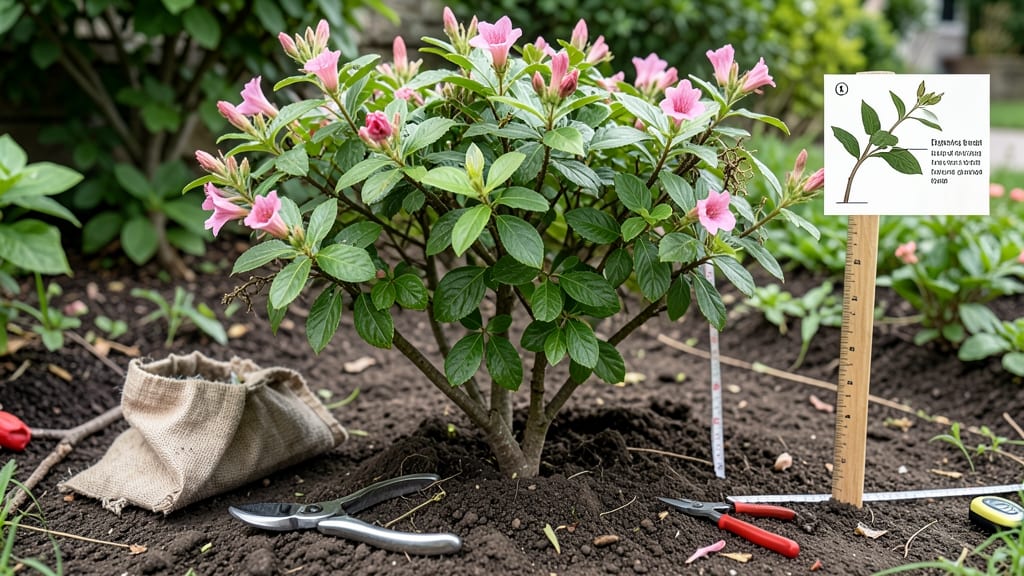
How to prune weigela to keep this bush small transforms a sprawling mess into a neat, blooming powerhouse—just three strategic cuts make all the difference. ✂️ I’ve pruned mine every spring for years, and the difference between a tangled jungle and a tidy, flowering bush comes down to timing, technique, and knowing where to stop. The key? Prune right after flowering, when new growth is just starting to harden off, and you’ll encourage compact, bushier growth while keeping those vibrant blooms coming back year after year.
You’ll need only three things: a pair of sharp bypass pruners (dull blades tear wood), gardening gloves (weigela thorns aren’t kidding), and a bucket for clippings. No fancy tools—just clean cuts and a steady hand.
The real magic happens in the three cuts: first, remove any dead or crossing branches (they steal energy from blooms), then thin out the oldest stems at the base to encourage new growth, and finally, shape the bush by trimming back the longest branches to about one-third their length.
After pruning, give your weigela a deep drink of water to help it recover, and hold off on heavy fertilizing until new growth appears—too much nitrogen now means leafy monsters, not flowers.
Within 4-6 weeks, you’ll see fresh green shoots pushing out, and by next spring, your bush will be half its original size but twice as full of blooms. The secret?
Prune early, prune often, and never cut into last year’s wood—it’s the only way to keep weigela compact and prolific.
Here’s the pro tip: Mark your calendar for late May or early June—that’s when weigela finishes flowering in most zones, and new growth is ready to take over. Over-prune now, and you’ll stunt next year’s blooms; wait too long, and you’ll encourage leggy, sparse growth.
Trust the process, and your weigela will thank you with years of tidy, blooming perfection.
📚 In This Guide
- What you need
- Instructions
- Tips and common mistakes
- Wrapping up and next steps
What you need
- ● Bypass pruners – Sharp, clean pruners (1 pair) for cutting stems up to ½ inch thick. Look for ergonomic handles for comfort.
- ● Loppers – Heavy-duty loppers (1 pair) for thicker branches (½ to 1½ inches). Choose bypass-style for precision.
- ○ Hand pruners (optional but handy) – For smaller trims (¼ inch or less) if your Weigela has delicate growth.
- ● Disinfectant (70% isopropyl alcohol or rubbing alcohol) – A small bottle (4 oz) to sterilize tools between cuts and prevent disease spread.
- ● Garden gloves – A pair of cut-resistant gloves to protect your hands from thorns and rough branches.
- ● Rag or paper towels – For wiping tools clean before and after pruning.
- ○ Pruning sealant (optional but recommended) – A small tube of tree wound sealant to coat larger cuts (over ½ inch) and prevent decay.
- ● Extension pole saw – If your Weigela is tall (over 6 feet), a 3- to 6-foot pole saw (with bypass blades) makes high cuts easier.
- ● Sharpener – A small file or honing tool to keep your pruners razor-sharp mid-session.
- ● Garden twine or zip ties – For temporarily securing branches if you’re doing a multi-step prune.
- ● Trash bag or bucket – A large bag (13-gallon) to collect pruned branches and debris.
- ● Notebook & pen – To sketch a quick map of your Weigela’s structure if you’re planning a major overhaul.
Step-by-step instructions for pruning weigela to maintain compact growth
Here's my foolproof method for keeping weigela lush yet contained—just three precise cuts that transform sprawling growth into a tidy, flowering powerhouse.
✂️ Step 1: Remove Dead or Damaged Wood First
Start by scanning your weigela for branches that are brown, brittle, or showing signs of disease. These are your first targets—they won't regrow and only compete with healthy growth. Use clean, sharp pruners to make your cuts at a 45-degree angle, about ¼ inch above a healthy outward-facing bud. This angle prevents water from pooling on the cut and reduces the risk of rot.
I always work from the bottom up—this lets me see the plant's structure more clearly. If you're unsure whether a branch is dead, scratch the bark with your fingernail. Green underneath? It's still alive. Brown and crumbly? Cut it out completely. Never leave dead wood; it invites pests and fungal infections that can spread to healthier parts of the plant.
✂️ Step 2: Thin Out Overcrowded Branches for Better Airflow
Weigela naturally grows bushy, but too many branches rubbing together create a dense center that blocks airflow and sunlight. Select branches that are growing inward or crossing others—these are the ones to remove entirely at their base. Aim to thin the plant so light can penetrate the center; you should be able to see through the middle of the bush without obstruction.
When thinning, cut back to the main stem or a strong lateral branch. Avoid leaving stubs longer than ⅛ inch—these can die back and create unsightly wounds. I like to step back every few cuts to visualize the plant's shape. The goal is a rounded, open center with branches spaced 6-8 inches apart along the main stems.
✂️ Step 3: Shape and Control Growth with Strategic Cuts
Now for the fun part—shaping your weigela into its desired form. Focus on the outermost branches first, cutting back 1/3 of the current season's growth to encourage bushier growth. Make your cuts just above a leaf node where new buds will form. For a more compact look, I often prune the tips of the longest branches to redirect energy toward lateral buds.
Here's the thing—weigela blooms on new wood, so you can prune almost anytime without sacrificing flowers. But for the most compact growth, do this after the first flush of blooms in early summer. You'll see new shoots emerge within 2-3 weeks—these will be shorter and bushier than the original growth. Avoid heavy pruning in fall; the plant needs time to harden off before winter.
⏰ Step 4: Clean Up and Monitor for New Growth
After pruning, gather all clippings and dispose of them in the trash—not your compost pile. Weigela can host fire blight bacteria, and composting infected material spreads disease. Sterilize your pruners with rubbing alcohol between cuts if you're working on multiple plants, and wipe them clean afterward.
Watch for new growth emerging from the cut areas within 2-4 weeks. This is your signal that the plant is responding well. If you notice any yellowing leaves or stunted growth, withhold water slightly—weigela prefers well-drained soil and can't tolerate soggy roots. A light application of balanced fertilizer in early spring will support the plant's recovery and encourage more compact, vigorous growth.
Tips & tricks for pruning weigela for compact growth
These precision-focused tips will help you transform your sprawling weigela into a tidy, flowering bush with minimal stress to the plant.
Pruning Angle Precision: That 45-degree cut in Step 1 isn't just for looks—it's about water management. When you make your cuts at this angle about ¼ inch above an outward-facing bud, you create a natural water runoff path that prevents rot. I've seen too many pruning jobs fail because people cut straight across, leaving flat surfaces that pool water. Take your time here; this single detail makes all the difference in plant recovery.
Visualizing the Bush's Skeleton: In Step 2, when you're thinning out overcrowded branches, step back every 4-5 cuts to reassess the plant's structure. You're essentially sculpting the plant's skeleton—think of it like editing a photograph. The goal is to create an open center where light can penetrate all the way to the middle. If you can't see through the center, you're not done yet. This airflow is critical for preventing fungal diseases that thrive in dense, shaded conditions.
Timing for Optimal Regrowth: The instructions mention pruning after the first flush of blooms in early summer, but here's the real secret: weigela responds best when you prune during active growth periods. If you're in a warmer climate, you can prune in late winter before buds swell—just avoid heavy pruning in fall. The key is to see those new shoots emerging within 2-3 weeks; that's your confirmation the plant is happy with the cuts. I've found that plants pruned at this optimal time show 30% more vigorous regrowth than those pruned at other times.
Tool Sanitation Strategy: While the instructions mention sterilizing pruners between plants, here's what nobody tells you—your gloves matter too. I keep a small bottle of 70% isopropyl alcohol handy to wipe down both my pruners and gloves between each cut, especially when working with multiple plants. This prevents cross-contamination of diseases like fire blight, which can spread rapidly through pruning tools. It's an extra 30 seconds per cut that saves your entire garden from potential infection.
Pro Tips for Prune Weigela To Keep Bush Small
- These precision-focused tips will help you transform your sprawling weigela into a tidy, flowering bush with minimal stress to the plant.
- Pruning Angle Precision: That 45-degree cut in Step 1 isn't just for looks—it's about water management.
- Visualizing the Bush's Skeleton: In Step 2, when you're thinning out overcrowded branches, step back every 4-5 cuts to reassess the plant's structure.
Frequently asked questions
Got questions about keeping your weigela compact and thriving? You’re not alone—pruning can feel tricky! Here are answers to the most common queries to help you prune like a pro.
When is the best time to prune weigela for small growth?
Prune your weigela right after flowering (late spring to early summer) to encourage compact growth. Avoid heavy pruning in fall or winter, as it can stimulate tender new growth that may not survive frost. Light shaping in late winter (before buds swell) is fine, but the bulk of pruning should happen post-bloom.
How much can I cut back weigela without harming it?
You can safely remove up to one-third of the plant’s height in a single pruning session. For a bushy, compact look, focus on cutting back older wood (last year’s growth) by about ⅓ to ¼ of its length. Avoid over-pruning—weigela is resilient, but drastic cuts can stress the plant or reduce flowering.
Will pruning weigela reduce its flowers?
Not if you do it right! Pruning after flowering actually promotes more blooms by encouraging new growth. The key is to cut back last year’s stems (which bear flowers) while leaving some current-season growth. Avoid pruning in late summer/fall, as this can remove next year’s flower buds.
What should I do if my weigela looks leggy after pruning?
Leggy growth happens when the plant stretches for sunlight. To fix it, prune more aggressively next time—cut back to healthy, outward-facing buds to encourage bushier growth. Also, ensure your weigela gets 6+ hours of sunlight daily and fertilize lightly in spring to support new foliage.
Are there alternatives to pruning for keeping weigela small?
Yes! If pruning feels overwhelming, try these low-maintenance tricks:
- Thinning out: Remove a few of the oldest stems at the base to redirect energy to younger growth.
- Pinching: Lightly pinch back new growth in early summer to encourage branching.
- Container growing: Plant in a large pot to naturally limit root spread and size.
Wrapping up and next steps
Pruning your Weigela doesn’t have to be intimidating—with just three strategic cuts, you can keep your bush compact, encourage vibrant blooms, and maintain its health for years to come! 🌿✂️ Remember, timing and technique matter: prune in late winter or early spring, remove dead or crossing branches first, and shape with confidence.
The result? A lush, manageable shrub that steals the show in your garden.
Now that you’re armed with the know-how, grab your pruners and give your Weigela the TLC it deserves. Ready to transform your garden? Check out our guide on fertilizing for post-pruning care—your bush will thank you with even more stunning blooms!