
Pruning
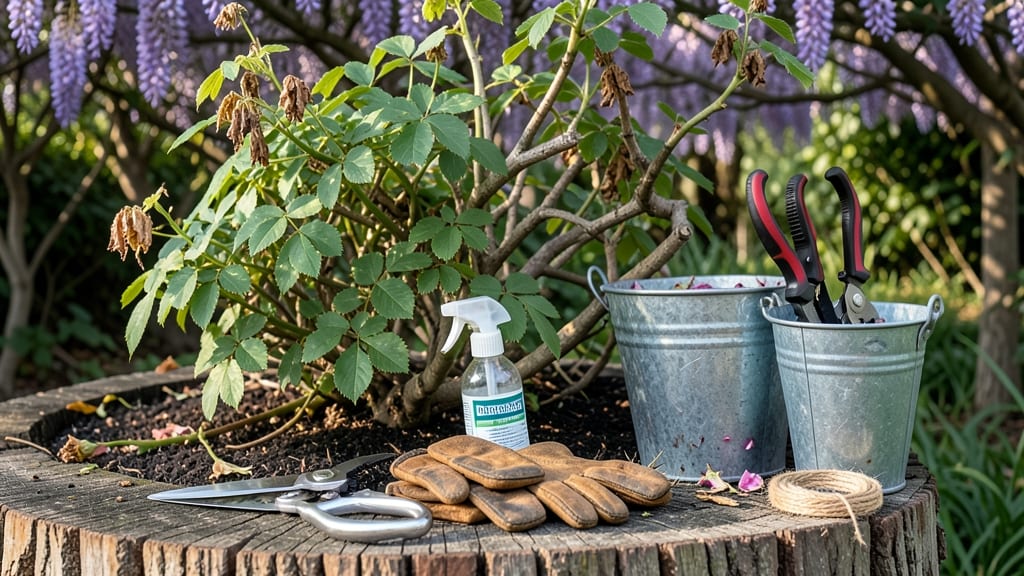
Cutting back overgrown rose bushes might seem intimidating, but these 3 strategic cuts will transform your tangled mess into a bushy, blooming powerhouse by summer. ✂️ I’ve turned my own overgrown hybrid teas from a thorny jungle into the showstopper of the front yard—all it takes is the right technique and timing.
The secret isn’t hacking away randomly—it’s cutting at a 45-degree angle, just above an outward-facing bud, and removing no more than one-third of the plant at once. Most people over-prune, leaving bushes weak and vulnerable to disease.
I learned that the hard way after my roses took two years to recover from aggressive cuts. By late winter or early spring, you’ll see fresh red shoots within 10-14 days, with the first blooms arriving by June.
The key is patience: hybrid teas need hard pruning, while climbers only require light shaping to encourage long, graceful canes. For climbers or shrub roses, adjust your approach—focus on thinning out old wood rather than heavy cutting. And always sterilize your tools between cuts to prevent spreading disease.
Trust the process, and your roses will thank you with nonstop blooms all season.
📚 In This Guide
- What you need
- Instructions
- Tips and common mistakes
- Wrapping up and next steps
What you need
- ● Pruning shears: Bypass pruners (for clean cuts on smaller stems) – 1 pair (ensure sharp blades for precision).
- ● Loppers: For thicker stems (up to 2 inches in diameter) – 1 pair (look for long handles for leverage).
- ● Pruning saw: For stubborn, thick branches (over 2 inches) – 1 saw (with a fine-tooth blade).
- ● Disinfectant (rubbing alcohol or bleach solution): To clean tools between cuts – small bottle or spray (70% isopropyl alcohol or 1 part bleach to 9 parts water).
- ● Garden gloves: Heavy-duty, cut-resistant gloves – 1 pair (to protect from thorns and debris).
- ○ Rake or broom: To clear away pruned debris – 1 tool (optional but helpful for cleanup).
- ○ Garden twine or ties: For securing branches if needed – small roll (optional, for post-pruning support).
- ○ Pruning sealant: For large cuts (over ½ inch) to prevent disease – small tube (optional, only for hybrid teas or climbers).
- ● Hand sanitizer or wipes: To keep hands clean while working – travel-sized pack (for hygiene).
- ● Knee pads: For comfort if you’re on the ground – 1 pair (especially useful for larger bushes).
- ● Trash bags: For easy disposal of pruned branches – 1-2 bags (or a wheelbarrow for hauling).
Step-by-Step instructions for cutting back overgrown rose bushes
Here's how I transform tangled, leggy roses into strong, flowering powerhouses—no guesswork, just precision.
✂️ Step 1: Remove Dead and Diseased Wood First
Start by identifying stems that are brown, mushy, or hollow—these are dead or diseased and must go. Use clean, sharp pruners to cut these back to healthy green wood or the main stem. I always sterilize my tools with rubbing alcohol between cuts to prevent spreading any fungal spores hiding in the bush.
The key is to cut at a 45-degree angle just above an outward-facing bud. This ensures water runs off the cut and new growth emerges away from the center. If you see blackened cankers or oozing sap, cut back an extra 2-3 inches beyond the affected area to remove all infected tissue.
✂️ Step 2: Thin Out Crowded Canes for Better Airflow
Next, focus on the remaining healthy canes. Roses need good airflow to stay disease-free, so remove any that cross or rub against each other. I look for the thickest, most vigorous stems—these are your keepers. Thin out weaker canes at the base, cutting them back to the ground. For hybrid teas and floribundas, aim to leave 5-7 strong canes per bush.
Don't worry about the height yet—this step is all about creating space. You'll see a dramatic difference in sunlight penetration and airflow after this cut. If your bush has more than 12-15 canes, you'll need to be more aggressive with thinning. The goal is to leave a framework that lets light reach the center.
✂️ Step 3: Shape the Bush With Strategic Cuts
Now for the dramatic transformation. For most roses, cut back the remaining canes to 18-24 inches tall, making your cuts just above an outward-facing bud. This encourages bushier growth and more blooms. If your roses are particularly overgrown, you can go shorter—12-18 inches—but never cut into old wood (wood older than 3-4 years rarely produces flowers).
Step back and visualize the shape. I like to create a slightly rounded top that lets sunlight reach all parts of the bush. Avoid cutting back to bare wood—always leave some green growth or buds. For climbers and ramblers, you'll want to take a different approach, focusing on removing the oldest canes entirely to encourage new growth from the base.
🌿 Step 4: Clean Up and Apply Post-Pruning Care
After your cuts, remove all debris from the base of the plant and around the garden bed. This prevents fungal spores from overwintering. I always rake up fallen leaves and prunings, then dispose of them in the trash—not the compost pile—since diseased material can reinfect your roses.
Water deeply right after pruning to help the plant recover. Then, apply a balanced rose fertilizer (like 10-10-10) to encourage new growth. Mulch around the base with 2-3 inches of organic mulch to retain moisture and protect roots. Within 2-3 weeks, you'll see fresh, green shoots emerging—proof your roses are on their way to a spectacular comeback.
Tips & tricks for perfect rose bush pruning
Transforming overgrown roses into thriving bushes takes more than just cutting—it's about strategic pruning that sets the stage for spectacular blooms. Here's what I've learned after years of trial and error in my own garden.
Bud Selection Matters: When making your cuts in Step 1 and Step 3, always look for outward-facing buds. These grow away from the center, creating that perfect rounded shape we want. I can't tell you how many times I ignored this and ended up with a bush that grew inward—blocking sunlight and airflow. Pro tip: The bud should be at the same level or slightly higher than the cut you make, never below it.
Seasonal Timing Secret: While the instructions focus on the technical steps, when you prune matters just as much. For most roses, late winter or early spring—just before new growth begins—is ideal. This gives your bush the entire growing season to recover. If you're dealing with heavily overgrown roses, you can do a light pruning in summer to improve airflow, but save your major cuts for late winter. The 2-3 weeks mentioned for recovery in Step 4 assumes you're pruning at this optimal time.
Tool Maintenance is Critical: I can't stress this enough—your pruners are your most important tool. After every few cuts, especially when dealing with diseased wood in Step 1, wipe them down with rubbing alcohol. I keep a small bottle in my pruning bucket for quick cleanups. Sharp tools make clean cuts that heal faster, and dull blades crush stems, making them more susceptible to disease. Consider investing in bypass pruners—they make the cleanest cuts of all.
Visualizing the Final Shape: Before you make a single cut, step back and visualize your bush's final shape. I like to sketch a rough outline on paper first—this helps me decide which canes to keep and which to remove. In Step 3, when cutting back to 18-24 inches, imagine how sunlight will penetrate that space. The goal is to create an open framework that lets air circulate freely while still maintaining structural integrity. This visual approach prevents that "haphazard" look many pruned roses end up with.
Pro Tips for Cut Back Overgrown Rose Bushes
- Transforming overgrown roses into thriving bushes takes more than just cutting—it's about strategic pruning that sets the stage for spectacular blooms.
- Bud Selection Matters: When making your cuts in Step 1 and Step 3, always look for outward-facing buds.
- Seasonal Timing Secret: While the instructions focus on the technical steps, when you prune matters just as much.
Frequently asked questions
Got questions about pruning overgrown rose bushes? You’re not alone! Here are some common concerns—and expert answers—to help you tackle the task with confidence.
When is the best time to prune roses?
The ideal time depends on your rose type. For most roses, late winter or early spring (just before new growth starts) is best. Climbing roses can be pruned in summer after flowering. Avoid heavy pruning in fall, as it can invite disease. Pro tip: Check your rose’s blooming habit—repeat bloomers (like hybrid teas) need spring pruning, while once-bloomers (like shrub roses) can wait until after flowering.
Can I prune roses in summer?
Yes, but with caution! Light pruning to shape or remove dead wood is fine in summer. However, avoid heavy cuts during hot weather, as it stresses the plant. If pruning for after-summer blooms, focus on removing spent flowers and thinning crowded stems. Pro tip: Water deeply after summer pruning to help recovery.
What if I cut too much off my rose bush?
Don’t panic! Roses are resilient. If you’ve over-pruned, your bush may take longer to recover, but it won’t die. Focus on healthy canes (thick, green stems) and avoid cutting into old, woody growth. Next year, prune less aggressively and prioritize shaping over drastic cuts. Pro tip: Fertilize lightly in spring to encourage regrowth.
Should I prune roses after rain?
Wait until the soil is dry and the weather is calm. Pruning after rain can spread soil-borne diseases (like black spot) through open cuts. Aim for a dry, sunny day to reduce infection risk. Pro tip: Sterilize your shears with rubbing alcohol between cuts for extra protection.
What if my rose bush looks dead after pruning?
Don’t assume it’s dead! Some roses go dormant after heavy pruning. Wait until spring to check for new growth. If you see green buds or shoots, your bush is alive. If not, dig up a cane—if it’s moist and firm inside, it’s still viable. Pro tip: Mulch around the base to retain moisture while the plant recovers.
Can I use hedge trimmers instead of pruners?
Not ideal! Hedge trimmers can damage canes and create jagged cuts that invite disease. Use sharp bypass pruners or loppers for clean cuts. For thick stems, opt for a pruning saw. Pro tip: Never leave stubs—cut at a 45-degree angle just above a bud or outward-facing leaf.
Wrapping up and next steps
Revitalizing your overgrown rose bushes is all about timing, technique, and patience—and you’ve got this! 🌹 By mastering the three key cuts (cleaning up, shaping, and encouraging new growth), you’ll transform tangled vines into lush, thriving blooms in no time.
Remember, every snip is a step toward stronger stems and more vibrant flowers.
Now that you’re armed with the know-how, roll up your sleeves and get pruning! For extra confidence, snap a few photos of your progress or jot down notes on what worked best.
Soon, your roses will be the envy of the neighborhood—and you’ll be the proud gardener behind them. Happy pruning! ✂️🌿