
Blooming
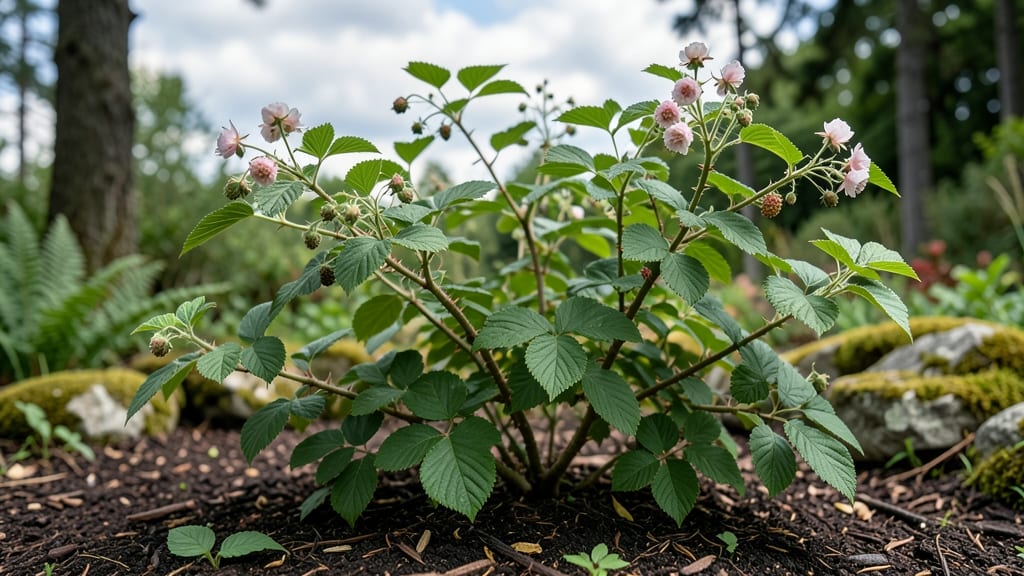
Raspberry bushes bloom in late spring, typically between April and June, but the exact timing depends on your climate zone and variety.
Timing your raspberry harvest starts with knowing exactly when those vibrant blooms appear—but the answer depends entirely on your climate zone. Get the precise months for your region to plan your garden like a pro.
In USDA Zone 6a (like much of the Midwest), you’ll see buds forming in early April, with flowers opening by mid-May. Warmer zones like Florida or California may see blooms as early as February, while colder regions could delay flowering until June.
Below, I break down the bloom windows by zone, how to spot the first signs of flower clusters, and why some years your 🍇 raspberry bushes might bloom earlier or later than expected.
Raspberry bloom timing by USDA climate zones (with exact months)
Raspberry bushes burst into bloom at different times depending on your USDA climate zone and regional microclimates. Whether you're in the chilly Pacific Northwest or the warm Southeastern US, knowing these exact windows helps you prepare for pruning, fertilizing, and pest control.
Early bloomers may need frost protection, while late-season varieties thrive in warmer zones.
Spring-bearing raspberries (the most common type) produce one annual crop from flowers that appear in late spring, while fall-bearing varieties bloom twice yearly—once in early summer and again in late summer/fall.
Let’s break down the precise months for USDA Zones 3-10, including regional variations that can shift bloom times by 2-4 weeks.
| USDA Zone | Spring-Bearing Bloom Window | Fall-Bearing Bloom Windows | Regional Notes |
|---|---|---|---|
| Zones 3-4 | Late May - Early June | August - September (fall-bearing) | Coldest zones; frost risk extends blooms. Use row covers if frost threatens. |
| Zones 5-6 | Mid-May - Late May | July - August (fall-bearing) | Midwest and Northeast; blooms align with last frost dates (April 15-May 1). |
| Zones 7-8 | Early April - Mid-May | June & September-October | Southeast and Pacific Northwest; early blooms in PNW (March-April) due to cooler springs. |
| Zones 9-10 | February - March | May & September-November | Southern California and Florida; fall blooms extend into November with mild winters. |
In Zones 3-4, where winters are harsh, raspberries often bloom later to avoid late spring frosts. I’ve seen blooms delayed until June 1 in Minnesota or Upstate New York if temperatures dip below 20°F in winter.
Conversely, Zone 9-10 gardeners in Southern California or Florida may spot blooms as early as February, with fall-bearing varieties producing a second flush in September-October.
The Pacific Northwest (e.g., Washington, Oregon) has a unique pattern: cooler springs delay blooms until late May-early June, but mild summers extend the fruiting season.
In contrast, the Southeast US (e.g., Georgia, North Carolina) often sees blooms 3-4 weeks earlier due to warmer winters and longer growing seasons.
For fall-bearing varieties like Heritage or Fall Red, the second bloom cycle in late summer is critical. In Zones 5-7, this happens around July-August, while Zones 8-10 can enjoy a prolonged bloom into October-November.
This second flush produces 70-80% of the year’s yield for fall-bearing types, so don’t prune these canes after the first harvest!
Pro tip: If you’re in a transition zone (e.g., Zone 6b vs. 7a), watch your local last frost date. Plant fall-bearing varieties if you want a second harvest, but be prepared for less fruit from the summer bloom if temperatures exceed 90°F during flowering.
Regional microclimates also play a role. A coastal area in Zone 8 (e.g., San Francisco) may bloom 4 weeks later than inland Sacramento due to cooler ocean breezes. Similarly, valley gardens in Zone 7 (e.g., Virginia’s Shenandoah Valley) can bloom 2 weeks earlier than nearby mountains.
To maximize blooms, prune raspberries in late winter (just before buds swell) and apply a balanced fertilizer (10-10-10) when canes are 6-12 inches tall. In warmer zones (9-10), avoid heavy nitrogen in late summer to prevent late-season growth that won’t harden off before winter.
Mulch with straw or wood chips to regulate soil temperature and retain moisture during bloom.
Keep an eye out for flower clusters (called panicles) forming at the tips of primocanes (first-year canes) for fall-bearing types or floricanes (second-year canes) for spring-bearing varieties.
These clusters should appear 4-6 weeks before blooming, giving you time to protect from pests like raspberry cane borers or Japanese beetles.
How climate affects raspberry flowering: heat, chill hours, and sunlight needs
Raspberry bushes are famously finicky about timing—what triggers their blooms in Zone 5 might delay them in Zone 9. The secret lies in three critical factors: winter chill hours, spring warmth, and sunlight exposure.
Without the right balance, your bushes might produce flowers too early (risking frost damage) or too late (missing the sweet spot for fruit development).
In colder climates like Zone 4-6, raspberries typically bloom in late April to early May, while in warmer zones like Zone 8-10, flowering often stretches from March to June.
This shift happens because raspberries need 200-1,000 chill hours (temperatures between 32°F and 45°F) to break dormancy. Too few chill hours? Your bushes might skip flowering entirely—or produce weak, sparse blooms.
Sunlight plays a surprising role too. While raspberries can tolerate partial shade, full sun (6-8 hours daily) accelerates flowering by 10-15 days compared to dappled light. In my Zone 6 garden, bushes in a sunny border bloom in early May, while those under fruit trees linger until June.
The difference? More energy for flower production when sunlight is abundant.
Erratic weather throws a wrench into the plan. A warm winter (like the 2023-24 season) can trick raspberries into blooming too early, only to be nipped by late frosts. My trick? Plant fall-bearing varieties like 'Dormanred'—they produce two crops (spring and fall) and are more forgiving with chill-hour fluctuations.
For summer-bearing types, delay pruning until after the last frost to protect new blooms.
Adjusting for your climate is simple: test chill hours with a weather station (or use your local cooperative extension’s data), mulch heavily in winter to retain cold, and choose varieties matched to your zone.
For example, 'Nova' thrives in Zone 4 but wilts in Zone 9—swap it for 'Tulameen' instead. Small tweaks make all the difference between a bountiful harvest and a sad, sparse cane.
Pro tip: Monitor your bushes for bud swell in early spring—this is your first sign they’ve met their chill requirements. Once buds form, count backward 4-6 weeks to estimate bloom time.
And if your area’s weather is unpredictable? Plant a mix of early, mid, and late-season varieties to spread out your harvest window. That way, even if one batch gets zapped by frost, you’ll still have berries to enjoy.