
Shrubs
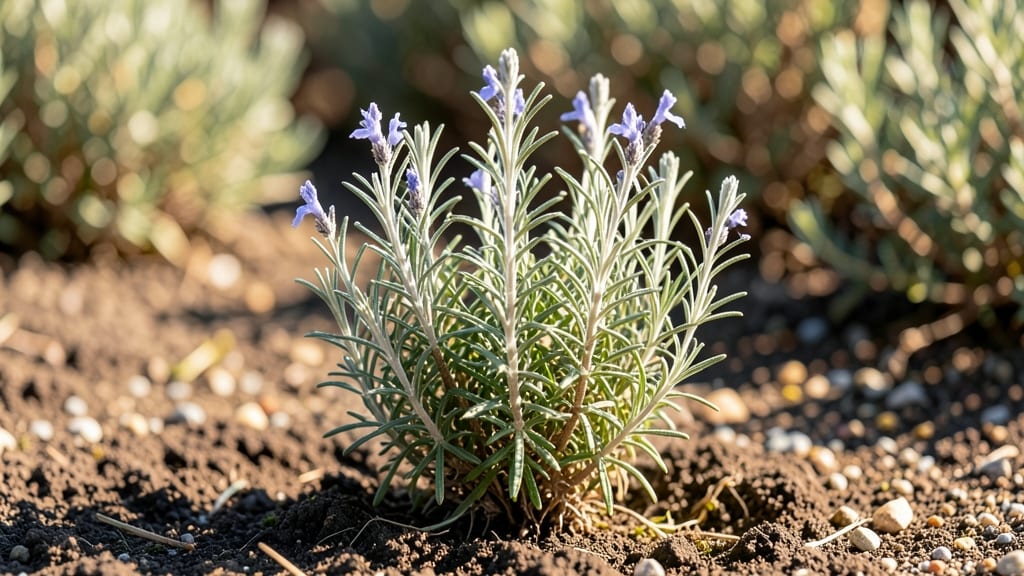
Growing a small rosemary bush that stays compact and fragrant year-round is easier than you think—no more sprawling, unruly branches taking over your garden or windowsill. 🌿 I’ve wrestled with rosemary that outgrew its space, only to learn the simple pruning and care tricks that keep it neatly sized while maximizing those piney needles for cooking and beauty.
The secret lies in full sun, well-draining soil, and strategic trims—not overwatering or wishful thinking. Even in pots, rosemary thrives with minimal fuss, as long as you mimic its Mediterranean roots.
My 12-inch bush on the kitchen counter has been producing fresh sprigs for three years straight, and it’s never needed more than a handful of minutes of care per week. You’ll end up with a perennial powerhouse that smells incredible, repels pests, and even blooms occasionally.
The first harvest will happen in just 6-8 weeks from a cutting, and the plant keeps growing back stronger. Whether it’s in a sunny window or a raised bed, this bush will outperform store-bought sprigs any day. Here’s the kicker: No special tools or green thumbs required.
Just a pair of shears, a little patience, and the right timing for pruning. Let’s get that rosemary under control—without sacrificing a single needle of flavor.
📚 In This Guide
- What you need
- Instructions
- Tips and common mistakes
- Wrapping up and next steps
What you need
- ● Rosemary plant: 1–3 compact rosemary varieties (e.g., 'Prostratus,' 'Blue Spires,' or 'Barbecue'—dwarf types stay under 2–3 feet tall).
- ● Organic or bare-root (check local nurseries or online seed suppliers).
- ● Soil: 1–2 bags of well-draining potting mix (for containers) or sandy loam soil (for in-ground planting).
- ○ Optional: Perlite or coarse sand (1 cup) to improve drainage.
- ● Containers (if potted): 1–3 5–7 gallon pots with drainage holes (terracotta or fabric grow bags work best).
- ● Gloves (1 pair—rosemary can be prickly!).
- ● Trowel or small shovel (for planting).
- ● Watering can or hose with a gentle nozzle (avoid soggy soil!).
- ● Pruning shears (sharp, clean pair for trimming).
- ○ Mulch (optional): 2–3 inches of gravel or pine straw to retain moisture and deter weeds.
- ● Sunlight access: A spot with 6+ hours of full sun daily (rosemary thrives in warmth!).
- ○ Fertilizer (optional): Balanced 10-10-10 fertilizer (1 tsp per plant, sparingly—rosemary dislikes excess nutrients!).
Step-by-step guide to cultivating a compact rosemary bush
Growing a small, fragrant rosemary bush is simpler than you think—here's how I keep mine thriving year-round.
🪴 Step 1: Select the Right Container and Soil
Choose a 5-6 gallon pot with drainage holes—rosemary roots need room to spread but hate soggy feet. I use unglazed terra cotta because it breathes and prevents root rot. Fill the bottom third with coarse gravel or perlite to ensure excess water drains away immediately.
Fill the rest with a mix of equal parts potting soil and coarse sand (or cactus/succulent mix). Rosemary thrives in gritty, well-draining soil that mimics its Mediterranean homeland. Press the mix down lightly—just enough to remove air pockets but not compact it. This ensures roots can establish without suffocating.
☀️ Step 2: Plant and Position for Maximum Sunlight
Dig a hole twice as wide as the root ball but no deeper. Gently remove your rosemary from its nursery pot and tease the roots outward if they're circling. Place it in the hole so the top of the root ball sits ½ inch below the rim—this prevents soil from washing over the crown when you water.
Rosemary demands full sun (6+ hours daily)—no exceptions. A south-facing window or balcony works, but if you're using containers, move them outside during summer months. You'll notice the needles turn pale and leggy if light is insufficient. I keep mine within 3 feet of a south-facing window in winter and supplement with a grow light if days shorten below 10 hours of daylight.
💧 Step 3: Water and Fertilize for Compact Growth
Water only when the top 2 inches of soil feel completely dry—rosemary is drought-tolerant, and overwatering is the fastest way to kill it. I use the "finger test" daily: stick your finger in the soil. If it's dry at the first knuckle, water deeply until it drains from the bottom. Empty the saucer afterward to prevent root rot.
Feed with half-strength balanced fertilizer (10-10-10) every 6-8 weeks in spring and summer. Skip fertilizer in fall and winter—rosemary grows slowly then and doesn't need extra nutrients. Prune back by ⅓ after flowering to encourage bushier growth. This is the secret to keeping your rosemary compact instead of letting it grow into a leggy shrub.
✂️ Step 4: Prune and Maintain Year-Round
Trim your rosemary twice a year: once in early spring to shape it and again after flowering in late summer. Use clean, sharp pruners to cut back ⅓ of the new growth—this encourages branching and keeps the bush dense. Never cut into old wood (the bare stems), as rosemary won't regrow from there.
Harvest sprigs regularly from the tips to promote bushiness. You'll know you're doing it right when you see new side shoots forming at the base of pruned stems. In winter, reduce watering to every 3-4 weeks unless your home has dry air. A humidifier nearby helps prevent needle drop during indoor winters.
⏰ Step 5: Overwinter for Next Year's Growth
Before the first frost, move your rosemary indoors to a bright, cool spot (50-60°F). Reduce watering to once every 3-4 weeks—the plant enters dormancy naturally. Prune lightly in late winter to remove any dead or leggy growth. This is also the time to repot if roots have filled the container.
Resist the urge to fertilize in winter. Instead, focus on light exposure—supplement with a grow light if natural light drops below 4 hours daily. You'll see fresh, green growth return in early spring, signaling it's time to resume regular care. This annual reset keeps your rosemary bush compact, fragrant, and productive for years.
Tips & tricks for perfect compact rosemary growth
These proven strategies will help your rosemary stay lush, fragrant, and perfectly proportioned all year.
Container Selection: Unglazed terra cotta pots are ideal, but if you prefer plastic, choose one with drainage holes and add a layer of coarse gravel at the bottom. The key is creating that perfect drainage system—rosemary roots despise soggy conditions. I've also found that wider pots (6 gallons) encourage more robust root systems, which translates to bushier growth. For urban gardeners, consider hanging pots with drainage—they work beautifully for rosemary and free up floor space.
Light Optimization: The 6+ hours of sunlight requirement is non-negotiable, but here's my secret: position your rosemary within 3 feet of your brightest window during winter months. If you notice the needles turning pale or stretching toward the light, it's time to supplement with a grow light. I use a simple LED grow bulb on a timer for 12 hours daily—this mimics natural daylight cycles and prevents that leggy growth that ruins the compact shape we're aiming for.
Pruning Precision: When you prune back by ⅓ after flowering (Step 4), focus on cutting just above a set of leaves where new growth appears. This creates a natural branching point. I always make my cuts at a 45-degree angle to prevent water from pooling on the stem. For the early spring pruning, aim to remove any dead or crossing branches first—they compete with healthy growth for nutrients. This two-step approach keeps your bush dense and prevents that wild, unruly look.
Winter Care: The 50-60°F indoor temperature range is perfect for winter dormancy, but here's what I've learned: if your home has dry air (especially with forced heating), place a small humidifier nearby. I've seen rosemary needles drop dramatically in dry winter air—this simple fix prevents that heartbreaking needle loss. Also, resist the urge to fertilize in winter; the plant's natural dormancy cycle means it's not actively growing, so nutrients just sit in the soil.
Pro Tips for Small Rosemary Bush
- These proven strategies will help your rosemary stay lush, fragrant, and perfectly proportioned all year.
- Container Selection: Unglazed terra cotta pots are ideal, but if you prefer plastic, choose one with drainage holes a...
- Light Optimization: The 6+ hours of sunlight requirement is non-negotiable, but here's my secret: position your rosem...
Frequently asked questions
How do I keep my small rosemary bush from growing too tall?
Prune your rosemary right after flowering (late spring to early summer) to encourage bushier growth. Use clean shears to trim back about one-third of the plant, focusing on leggy stems. Avoid heavy pruning in fall or winter—rosemary needs energy to survive cold snaps! For dwarf varieties, a light trim every few months keeps them tidy.
Can a small rosemary bush survive winter outdoors?
Most rosemary varieties are hardy to USDA Zones 7-10, but compact bushes may need extra care in colder climates. Mulch heavily with straw or pine needles, and wrap the pot (if container-grown) in burlap. In freezing zones, grow rosemary in containers and move it indoors near a sunny window or under grow lights during winter.
How often should I water my small rosemary bush?
Rosemary hates soggy roots—water only when the top 1-2 inches of soil feel dry. In pots, this might be every 5-7 days; in gardens, once a week (less in winter). Overwatering is the #1 killer! Ensure pots have drainage holes, and use a well-draining soil mix (like cactus/succulent blend) to prevent root rot.
What can I do if my small rosemary bush turns yellow or brown?
Yellow leaves often signal overwatering or poor drainage. Brown, crispy edges? Likely underwatering or heat stress. Check soil moisture and adjust care. If the problem persists, repot with fresh, gritty soil and trim damaged stems. Pests like spider mites can also cause browning—spray with neem oil if you spot webbing.
Are there dwarf rosemary varieties perfect for small spaces?
Try these compact picks:
- ‘Prostratus’ – Spreading, ground-cover style (1–2 ft tall).
- ‘Blue Spires’ – Upright but slow-growing (2–3 ft tall).
- ‘Irene’ – Tiny, bushy, and cold-hardy (1–2 ft tall).
Wrapping up and next steps
Growing a small rosemary bush is a rewarding way to enjoy its fragrant, versatile charm year-round—whether for cooking, aromatherapy, or simply adding greenery to your space. With the right care, this compact shrub thrives in small gardens, containers, or even as a kitchen herb, offering low-maintenance beauty and practical benefits.
Ready to elevate your herb garden? Start planting today and watch your tiny rosemary bush flourish into a fragrant, evergreen star!