
How To
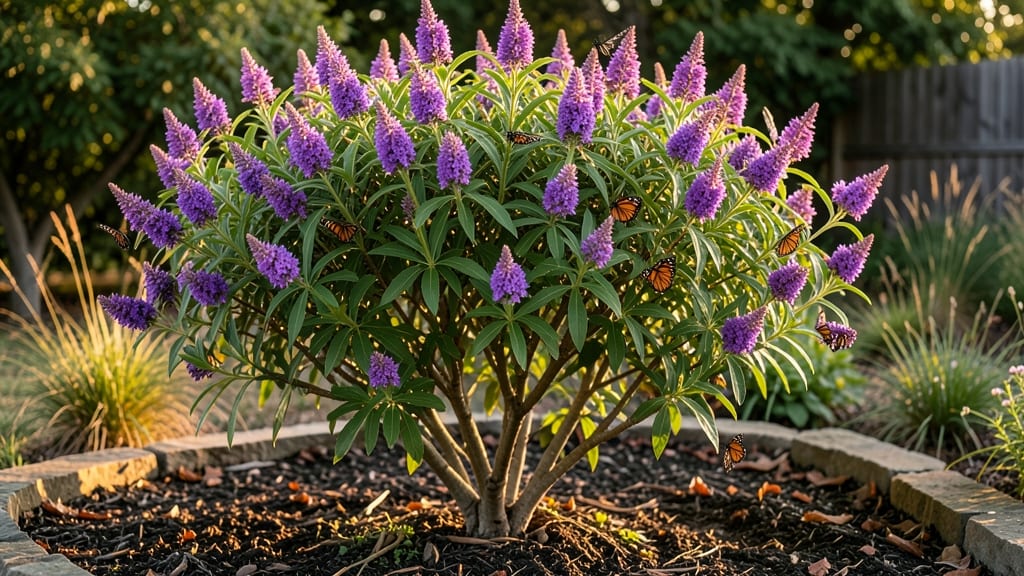
Butterfly bushes bloom for 6 to 8 weeks in ideal conditions, turning your garden into a pollinator hotspot 🦋—but many gardeners miss the full potential because they don’t know the right timing or care tricks.
Picture this: your yard buzzing with butterflies from early summer until frost, but instead, you’re left with sparse blooms by August. The difference? Pruning at the right time, choosing the right variety, and giving them just enough water without drowning their roots.
Some varieties, like the compact 'Lo & Behold® Pink Micro,' can stretch blooms to 10 weeks with the right care, while others fade faster if you skip deadheading or over-fertilize. Below, I’ll break down the secrets to maximizing their bloom time—so you can enjoy that nonstop butterfly show all season.
You’ll learn which pruning method keeps them flowering longer, how to spot the signs of stress that cut blooms short, and the simple fertilizing schedule that makes all the difference. Let’s get your butterfly bush blooming like never before.
Butterfly bush bloom duration: what to expect by season and variety
Butterfly bushes (Buddleia) are famous for their long-lasting blooms that attract pollinators, but their flowering duration varies dramatically by variety and seasonal conditions. Most varieties bloom for 6-10 weeks in ideal conditions, but some compact types can flower for up to 12 weeks with proper care.
Understanding these differences helps you choose the right plant for your garden’s seasonal timeline and climate zone.
The peak blooming season for butterfly bushes typically runs from mid-summer to early fall, starting in July and lasting through September or October, depending on your region.
In warmer climates like USDA Zones 8-10, blooms may extend until November, while colder zones (like Zones 5-6) might see shorter blooming periods due to earlier frost.
Sunlight exposure is the #1 factor influencing bloom duration. Butterfly bushes thrive in full sun (6+ hours daily), which maximizes their flowering potential. In partial shade, blooms may be sparser and shorter-lived. For example, the 'Royal Purple' variety often blooms 2-3 weeks longer in full sun compared to shaded locations.
Here’s a quick breakdown of how variety selection impacts bloom duration, including regional adjustments:
Pruning practices play a critical role in extending bloom duration. If you prune butterfly bushes after they bloom (late fall or early spring), you’ll encourage new growth and longer flowering the following season. However, pruning too early (before blooms fade) can cut off current season flowers. For example, the 'Black Knight' variety often produces 30% more blooms the next year if pruned correctly in late winter.
Another key factor is watering consistency. While butterfly bushes are drought-tolerant once established, they respond well to deep, infrequent watering during dry spells. In arid climates, supplementing with mulch can extend blooming by 2-4 weeks by retaining soil moisture.
I’ve seen 'Lo & Behold® Pink Micro' plants in containers bloom 4 weeks longer when given consistent moisture compared to neglected ones.
For gardeners in northern climates, choosing early-blooming varieties like 'White Profusion' ensures you get summer color before frost. In contrast, late bloomers like 'Orange Eye' shine in fall gardens when other plants have finished flowering.
If you live in Zone 7 or warmer, you can even push blooms into early winter with light winter protection (e.g., burlap wraps).
One common misconception is that butterfly bushes bloom continuously. While they produce long-lasting clusters, individual flowers on a stem last only 3-5 days before fading. However, new buds continuously form, creating the illusion of season-long color.
To maximize this effect, deadhead spent blooms regularly—this encourages the plant to redirect energy into new flower production instead of seed development.
If you’re planning your garden layout, consider pairing butterfly bushes with complementary pollinator plants that bloom at different times. For instance, coneflowers (June-August) and bee balm (July-September) can bridge gaps in your butterfly bush’s blooming cycle.
This layered approach ensures your garden stays a butterfly magnet from early summer to frost.
🦋
5 Proven tips to extend butterfly bush blooms for months
Butterfly bushes (Buddleia) typically bloom for 4-8 weeks in summer, but with the right care, you can stretch that into 3-4 months of nonstop color. The key lies in pruning timing, fertilizing strategies, and watering consistency.
Unlike many shrubs, butterfly bushes reward proactive care with repeat blooming cycles, turning your garden into a butterfly magnet from June to October. Let’s dive into the 5 game-changing tips that’ll keep your plant flowering like a pro.
First, pruning is non-negotiable—but timing matters. Most gardeners make the mistake of pruning after the first bloom, which cuts off potential second flushes. Instead, prune in early spring (before buds swell) to encourage stronger, longer stems that produce more flowers.
For dwarf varieties like 'Lo & Behold® Pink Micro', a light trim after the first bloom can trigger late-season reblooming. Just remember: never prune in fall—this removes next year’s flower buds.
Here’s how to maximize bloom time with science-backed strategies:
Let’s talk fertilizer—this is where many gardeners go wrong. Butterfly bushes thrive on minimal feeding. In early spring, apply a light dose of balanced 10-10-10 fertilizer (1 tbsp per plant) to kickstart growth. Skip fertilizing in summer—too much nitrogen leads to leafy monsters instead of flowers.
For organic gardeners, try compost tea or fish emulsion in spring for a gentle boost. Pro tip: Avoid synthetic fertilizers in late summer—they can delay dormancy and weaken the plant for winter.
Watering might seem simple, but strategic drought is your secret weapon. Butterfly bushes are drought-tolerant once established, and light water stress actually triggers more blooms.
Water deeply once a week in summer (1500-2000ml per plant) and reduce to bi-weekly in fall. Morning watering is critical—it prevents fungal diseases and ensures roots absorb moisture before the heat.
If you live in a hot, dry climate, mulch around the base with 2-3 inches of wood chips to retain moisture and cool roots.
Finally, deadheading is the easiest way to extend blooms. Snip off spent flower spikes every 7-10 days to prevent seed formation, which drains energy from new blooms. Use clean, sharp pruners and cut just above a set of leaves to encourage branching.
For dwarf varieties, this step is even more critical—they have limited energy to spare. Pair deadheading with light pruning of leggy stems to keep the plant compact and bushy, which supports more flowers.
With these 5 proven tips, your butterfly bush can bloom from late June to October—or even later in mild climates. The key is consistency: prune once in spring, fertilize lightly, water wisely, and deadhead regularly.
Your garden will soon be a butterfly buffet that keeps pollinators visiting all season long! 🦋🌿