
Pruning
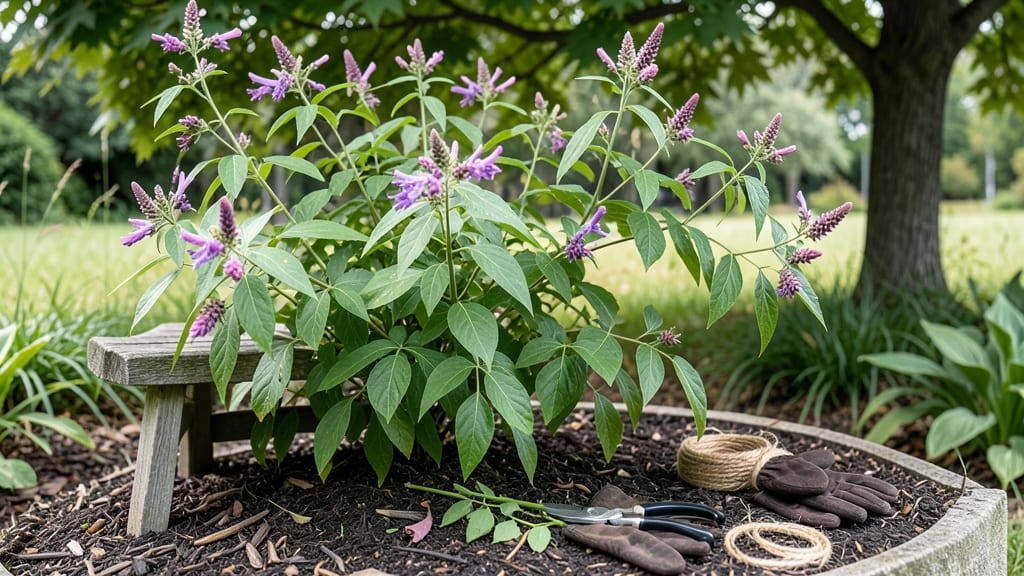
To prune a butterfly bush in Pennsylvania at the right time means late winter, when the plant is still dormant but ready to burst into spring growth 🦋.
If you’ve ever watched your butterfly bush struggle with weak blooms or leggy branches, the issue might be pruning too early or too late.
In Pennsylvania’s 5b-7a zones, timing is everything—cut back too soon, and you risk damaging tender new shoots; wait too long, and you miss the prime window for vigorous regrowth.
This guide breaks down the exact late-winter window (February to early March), how to assess your plant’s readiness, and step-by-step techniques to encourage lush, healthy blooms without over-pruning.
You’ll learn how to shape your butterfly bush for better airflow, avoid common mistakes, and keep your garden buzzing with pollinators all season long.
Best late-winter pruning timeline for Pennsylvania butterfly bushes
Timing your butterfly bush (Buddleia) pruning in Pennsylvania is critical—get it wrong, and you risk stunted growth or missed blooms. The ideal window is late February to early March, when the plant is fully dormant but before new growth begins.
This aligns perfectly with Pennsylvania’s USDA hardiness zones 5-7, where late frosts can still threaten tender shoots.
Late-winter pruning stimulates vigorous spring regrowth by removing old wood that produces fewer flowers. In colder zones (like Zone 5b), wait until after the last average frost date (around March 15 in most regions) to avoid damaging tender buds.
Warmer areas (Zone 7a) can prune slightly earlier, but never before mid-February.
Your butterfly bush is ready when branches are completely dry and brown, with no green shoots. Check for dead wood (snaps easily) and diseased branches (black spots, oozing sap). These signs confirm dormancy and signal it’s safe to prune without stressing the plant.
Here’s your Pennsylvania-specific pruning timeline, tailored to hardiness zones and frost risks:
| Zone | Ideal Pruning Window | Key Signs to Prune | Avoid Pruning If... |
|---|---|---|---|
| 5b | Late February to early March | Branches are bone-dry, no green buds | Green shoots appear (risk of frost damage) |
| 6a-6b | Early to mid-March | Dormant but no ice crystals on stems | Ground still frozen (delays regrowth) |
| 7a | Mid-February to late February | No leaf buds visible, stems are brittle | Nighttime temps below 20°F (risk of shock) |
Miss the late-winter window? You can prune again in early spring (April), but this delays blooms by 4-6 weeks. The key is to never prune after May—this removes next year’s flower buds, leaving your butterfly bush barren.
For Zone 5b gardeners, mark your calendar for February 28th as the last safe day to prune.
Pro tip: Use a sharp bypass pruner to make clean cuts just above a bud or lateral branch. This encourages outward growth, reducing congestion and improving airflow. Avoid hedge trimmers, which tear stems and invite disease. After pruning, sterilize tools with rubbing alcohol to prevent spreading pathogens.
If your butterfly bush was heavily damaged in winter, prioritize removing dead wood first, then shape the shrub. Aim to reduce the plant by 1/3 to 1/2—this balances aesthetics and health.
For young plants (under 3 years), light pruning (removing only dead branches) is enough to encourage bushier growth.
Watch for new growth in 3-4 weeks after pruning. If shoots appear yellow or wilted, it’s a sign of over-pruning or late frost damage. In this case, wait until late April to prune lightly again.
Mulch around the base with 2-3 inches of compost to protect roots and retain moisture during Pennsylvania’s unpredictable spring weather.
Remember: Butterfly bushes thrive on bold pruning—don’t be shy! The more aggressively you prune in late winter, the more vibrant blooms you’ll see by June or July. Just time it right, and your garden will become a butterfly hotspot all season long. 🦋
Step-by-step pruning guide: how to revive your butterfly bush
Late-winter pruning is the secret to a vibrant butterfly bush bursting with blooms come spring. In Pennsylvania’s USDA Zones 5b-7a, this means acting between late February and early March—just as the plant wakes from dormancy but before new growth starts.
The goal? Remove 1/3 to 1/2 of last year’s wood to encourage fresh, flower-filled stems while keeping your shrub healthy and well-shaped.
Before you grab your shears, gather the right pruning tools and supplies: sterilized bypass pruners for clean cuts, loppers for thicker branches, gloves to protect from thorns, and a sharp saw for stubborn wood.
Disinfect your tools with rubbing alcohol to prevent spreading disease between cuts. Skipping this step can turn your pruning session into a disease disaster.
Step-by-Step Pruning Process
- 1 Remove dead/diseased wood first: Start by cutting out any blackened, mushy, or hollow branches. These are disease magnets that sap energy from your plant. Use your pruners to make clean cuts just above a healthy bud or node.
- 2 Cut back old wood by 1/3 to 1/2: Identify last year’s stems (they’re thicker and often darker). Prune them back to a healthy bud or outward-facing branch. This encourages new growth from the base, which will produce more flowers.
- 3 Shape for airflow and sunlight: Thin out overcrowded branches to improve circulation and light penetration. Aim for an open, vase-like shape—this prevents fungal issues and helps blooms show off. Avoid cutting into the center “donut hole” too much.
- 4 Clean up the workspace: Collect all pruned debris and dispose of it in the trash (not your compost)—butterfly bushes can harbor powdery mildew spores. Sweep up fallen leaves and rake away mulch from the base to prevent fungal growth during spring rains.
- 5 Apply post-pruning care: Water deeply to hydrate roots after pruning, then add a 2-inch layer of mulch around the base (keep it 3 inches away from the trunk). This protects roots from late-winter frosts and retains moisture for new growth.
Avoid these common pruning mistakes that can set your butterfly bush back: Pruning too late (after buds swell) stunts growth, while cutting into old wood leaves no room for new stems.
Never shear randomly—this creates a dense, flowerless mess. Instead, focus on selective thinning to maintain a balanced, blooming shrub.
After pruning, monitor your butterfly bush for new shoots emerging by late March. These pencil-thick stems are your promise of summer-long blooms. If you notice yellowing leaves or wilting, it’s a sign of over-pruning or stress.
In this case, reduce watering slightly and apply a balanced fertilizer (10-10-10) to encourage recovery.
With the right technique, your late-winter pruning will transform your butterfly bush into a lush, butterfly-attracting powerhouse by summer.
The key is patience—wait until after the last hard frost (typically mid-April in PA) to fertilize, and you’ll see vigorous growth and abundant blooms in just a few weeks. 🦋