
Pruning
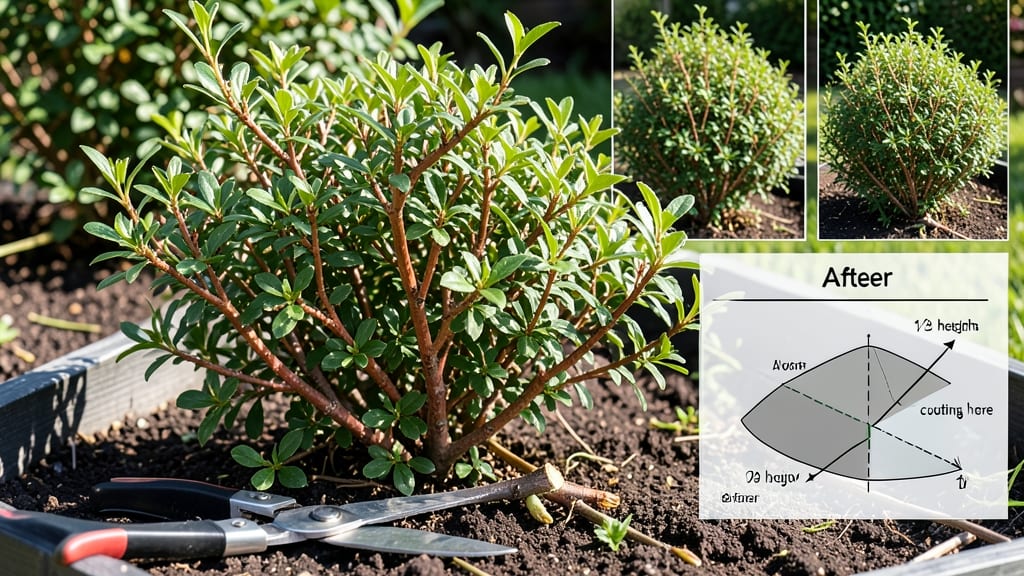
You can trim barberry bushes back by one-third to one-half of their height without stressing them—just don’t cut into old, bare wood. ✂️ I learned this the hard way after over-pruning mine and watching them struggle to bounce back. The key is patience and knowing when to stop.
Barberries respond best to late winter or early spring pruning when they’re still dormant but before new growth starts. Use sharp bypass pruners to make clean cuts at a 45-degree angle just above a bud or branch junction. This encourages strong regrowth and keeps the bush compact.
What you’ll end up with is a denser, healthier plant that produces more berries and thrives for years. The secret is gradual pruning—never take more than a third off in one season, or you risk weakening the bush.
Works for both thorny and thornless varieties, and the same rules apply whether you’re shaping a hedge or training a single specimen. Here’s how to do it right!
📚 In This Guide
- What you need
- Instructions
- Tips and common mistakes
- Wrapping up and next steps
What you need
- ● Pruning shears (bypass or anvil type) – Choose sharp, high-quality shears (e.g., Felco or Fiskars) for clean cuts. Size: 6-8 inches for medium branches.
- ● Loppers – For thicker stems (½ inch or larger). Quantity: 1 pair with bypass blades for precision.
- ● Pruning saw – For branches thicker than 1 inch. Type: Curved blade for ease.
- ● Gloves (heavy-duty) – Protect your hands from thorns and sap. Material: Leather or reinforced fabric.
- ● Disinfectant (70% isopropyl alcohol or bleach solution) – 1:9 ratio (bleach:water) to sterilize tools between cuts and prevent disease.
- ● Rake or leaf blower – For clearing debris post-pruning.
- ● Trash bags or compost bin – 2-3 large bags for pruned branches (check local rules—some areas restrict barberry disposal due to invasiveness).
- ● Hand pruners (for fine trimming) – Great for shaping small branches.
- ● Knee pads or stool – If your barberry is tall or dense.
- ● Marking spray (paint) – To mark branches for removal (e.g., red spray for dead wood).
- ● Safety glasses – In case of debris or sap splatter.
- ● Mulch or compost – To replenish soil after pruning.
Step-by-Step guide to pruning barberry bushes for healthy regrowth
Here’s the method I’ve used to revive barberries without sacrificing their shape or health—it’s simpler than you think.
✂️ Step 1: Identify Dead or Diseased Branches First
Start by scanning the bush for branches that are brown, brittle, or showing signs of disease like black spots or powdery residue. These are the first to go—they’re already dead weight or spreading problems. Use clean, sharp pruners to cut these back to the main stem or healthy growth, making cuts at a 45-degree angle just above a leaf node.
I always prune these first because they’re the easiest to spot and removing them early prevents further stress on the plant. If you’re unsure whether a branch is dead, scratch the bark with your thumbnail—if it’s green underneath, it’s still alive and should stay.
✂️ Step 2: Thin Out Crowded Growth for Better Airflow
Barberries thrive when they have good airflow, so focus on thinning out the center of the bush where branches overlap. Aim to remove one-third of the oldest, thickest stems at ground level, cutting them back to the base. This encourages younger, more vigorous growth to fill in from the bottom up.
Watch for branches that cross or rub against each other—these are prime candidates for removal. You’ll know you’re doing it right when you can see light and air moving through the bush. Real talk: This step takes the most patience, but it’s the key to preventing future issues like mildew or pest infestations.
✂️ Step 3: Shape the Bush Gradually Over Time
Once you’ve tackled the deadwood and thinning, you can lightly shape the bush by trimming back any overgrown or leggy branches. Never cut more than one-third of the bush’s total growth
Here’s the thing—barberries respond best to pruning in early spring or right after flowering. Avoid heavy pruning in late summer or fall, as this can stimulate tender new growth that won’t survive winter. If you’re pruning for shape, focus on maintaining the bush’s natural form rather than forcing it into a rigid structure. After trimming, give the bush a deep watering to help it recover. Barberries have shallow roots, so soaking the soil to a depth of 6-8 inches ensures they have enough moisture to regenerate. Avoid fertilizing right after pruning—wait until new growth appears, usually within 2-3 weeks, before adding any nutrients. Keep an eye out for new shoots emerging from the base or along the stems. These are your signal that the pruning worked! If the bush looks stressed—yellowing leaves or wilting—it might need a bit more time to bounce back. I’ve found that barberries often perk up within a few weeks if given consistent moisture and a little patience. To keep your barberry healthy long-term, plan to do light maintenance pruning in late winter or early spring, just before new growth starts. This involves trimming back any branches that have grown too long or are out of shape, but again, never remove more than one-third of the bush
I also recommend removing any suckers or unwanted shoots that pop up at the base of the plant. These can drain energy from the main bush, so snipping them off early keeps the plant’s focus on producing those vibrant red berries and lush foliage. Think of it like giving your barberry a haircut—regular touch-ups keep it looking its best without overwhelming it.💧 Step 4: Post-Pruning Care for Strong Recovery
⏰ Step 5: Schedule Regular Maintenance Pruning
Tips & tricks for perfect barberry pruning
A few simple strategies will help you prune your barberry bushes like a pro—without stressing the plant or compromising its health.
Tool Prep is Everything: Sharpen your pruners before you start—dull blades crush stems instead of making clean cuts, which can damage the plant and invite disease. I also recommend sterilizing your tools with rubbing alcohol between cuts, especially when dealing with diseased branches. This prevents spreading pathogens to healthy parts of the bush.
The One-Third Rule: Never remove more than one-third of the bush's total growth in a single session—this is non-negotiable for barberries. In Step 2, when you're thinning out crowded stems, think of it as creating air pockets rather than drastic reduction. The plant needs its foliage to photosynthesize and fuel recovery after pruning.
Season Timing Matters: The instructions mention early spring or right after flowering as ideal times, but here's why: Barberries bloom in late spring/early summer, so pruning after flowering (when new growth has already started) gives the plant time to recover before winter. Avoid late summer pruning—the new growth won't harden off before cold weather arrives.
Visual Cues for Healthy Cuts: When making cuts at a 45-degree angle in Step 1, aim for just above a leaf node where new growth emerges. You'll know you're cutting in the right spot when you see small buds or leaf scars along the stem. This ensures the plant has energy reserves to regenerate from that point rather than having to start completely fresh.
Pro Tips for How Far Back Can You Trim Barberry Bushes
- A few simple strategies will help you prune your barberry bushes like a pro—without stressing the plant or compromising its health.
- Tool Prep is Everything: Sharpen your pruners before you start—dull blades crush stems instead of making clean cuts, which can damage the plant and invite disease.
- The One-Third Rule: Never remove more than one-third of the bush's total growth in a single session—this is non-negotiable for barberries.
Frequently asked questions
How much can I cut back barberry bushes in one season?
You can safely trim up to one-third of the bush’s height in a single season without causing stress. For example, if your barberry is 3 feet tall, aim to prune no more than 1 foot at a time. This gradual approach encourages healthy regrowth and avoids shocking the plant.
When is the best time to prune barberry bushes for maximum regrowth?
The ideal time to prune is late winter or early spring, just before new growth begins. This timing helps the bush focus energy on fresh foliage and flowers. Avoid pruning in fall, as it may stimulate tender new growth that could be damaged by frost.
What if I prune too aggressively? Can barberry recover?
While barberries are resilient, over-pruning can stunt growth or kill the bush if you remove too much foliage or old wood. If you’ve already trimmed too much, focus on watering deeply and fertilizing lightly to support recovery. New growth should appear within a few weeks if the roots are healthy.
Can I shape barberry bushes into hedges? How far back should I trim?
Yes! Barberries make excellent hedges. To maintain shape, trim back by ¼ to ½ inch annually after flowering. For formal hedges, use hand pruners or shears to create clean lines. Avoid cutting into old wood, as barberries regenerate best from newer growth.
Are there alternatives if my barberry won’t regrow after pruning?
If your barberry refuses to regrow, it may be diseased, root-bound, or overpruned. Try rejuvenation pruning—cutting back half the bush to the ground in stages over 2 years. If that fails, consider replacing the bush or testing soil health, as poor drainage or pests could be the issue.
Wrapping up and next steps
Trimming your barberry bushes doesn’t have to be intimidating—you can safely prune up to one-third of their growth without harming them, and older stems can be selectively removed to encourage fresh, vibrant regrowth.
With the right tools, timing, and technique, you’ll keep your barberries lush while preventing disease and pests. Now that you’re armed with the know-how, grab those shears and give your bushes the care they deserve! 🌿✂️
Ready to transform your garden? Start planning your pruning schedule or explore advanced techniques for even healthier barberries!