
Shrubs
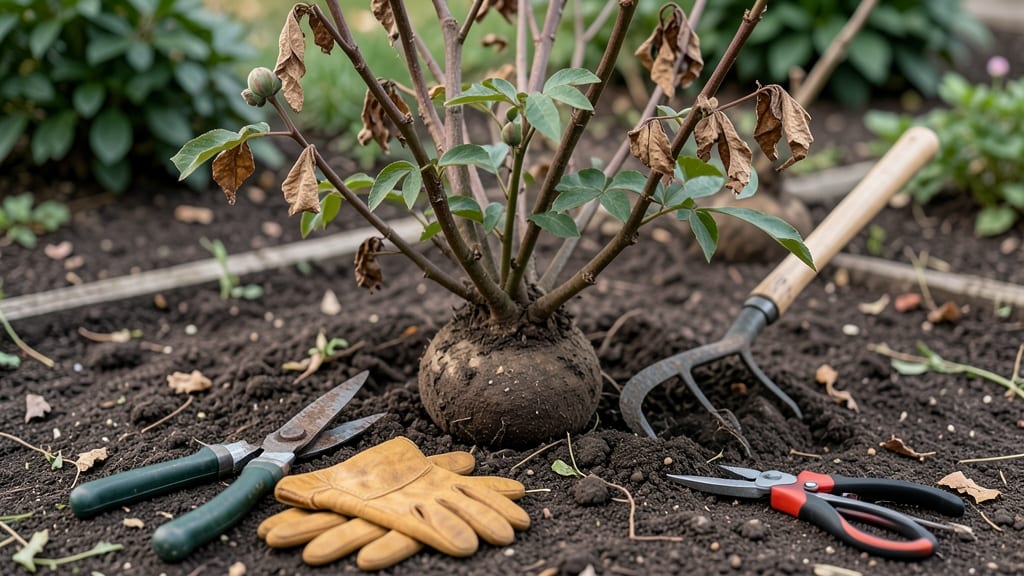
Do you cut peony bushes back in the fall? The answer is no—and here’s why. ✂️ The myth that fall pruning boosts next year’s blooms is just that: a myth. In fact, cutting back peonies in autumn can weaken their roots and reduce flowering. The key is waiting until late winter or early spring, when new growth signals the perfect moment to shape them.
Here’s the real secret: prune herbaceous peonies (the most common type) right after their foliage dies back in late winter, but before new shoots emerge. Tree peonies, on the other hand, rarely need pruning—just remove dead or crossing branches in late winter.
Use clean, sharp pruners and cut just above a bud or node, leaving at least 2 inches of stem to avoid damaging next year’s blooms.
What you’ll get is stronger stems, more abundant flowers, and fewer floppy blooms. The right timing means peonies that thrive for decades, not ones that struggle to recover. And the best part? You’ll skip the guesswork—no more wondering if you pruned too early or too late.
Regional note: In colder zones (4-6), prune after the ground thaws but before buds swell. In milder climates (7-9), wait until late winter to avoid encouraging early growth that could get nipped by frost.
The goal is always the same: prune when the plant is dormant but ready to wake up.
📚 In This Guide
- What you need
- Instructions
- Tips and common mistakes
- Wrapping up and next steps
What you need
- ● Bypass pruners – Sharp, clean pruners (1 pair) for clean cuts. Pro tip: Disinfect with rubbing alcohol to prevent disease spread!
- ○ Loppers – For thicker stems (optional but helpful for mature bushes).
- ● Garden gloves – A sturdy pair (1) to protect your hands from thorns.
- ○ Garden shears or hedge clippers – For shaping larger bushes (optional).
- ● Pruning saw – Only if you have very thick stems (rare for peonies).
- ● Disinfectant (rubbing alcohol or 10% bleach solution) – To sterilize tools between cuts.
- ○ Garden twine or labels – To mark areas if you’re doing staggered pruning (optional).
- ● Compost or mulch – To refresh the soil after pruning.
- ● Rake – For clearing debris post-prune.
- ● Knee pads – Because crawling around in the garden is not always glamorous.
- ● Notebook & pen – To jot down notes on bush shapes or varieties (for future reference!).
- ● Know your peony type (herbaceous vs. tree peonies)—pruning needs vary!
- ● Check the weather forecast—prune on a dry, mild day (avoid frost or rain).
- ● Have a clear plan—sketch or mentally map where you’ll cut to avoid over-pruning.
When and how to prune peony bushes for stronger blooms
Here's the simple method I use every fall to keep my peonies thriving—and why timing matters more than you think.
⏰ Step 1: Wait Until Late Fall After Leaves Brown
Never prune peonies in early fall. Instead, wait until after the first hard frost when the foliage turns completely brown and crispy. This signals the plant has entered dormancy and stored energy in its roots for next year's blooms. I aim for late November or December in my zone 5 climate.
If you prune too early, you risk cutting off leaves that are still feeding the roots. The plant needs those last few weeks of photosynthesis to build up strength. Look for leaves that are dry to the touch and easily crumble—that's your cue.
✂️ Step 2: Cut Back to 2 Inches Above the Ground
Use clean, sharp pruners to cut the stems back to about 2 inches above the soil line. This leaves just a small stub of the previous year's growth. I always sterilize my pruners with rubbing alcohol first to prevent spreading disease between plants.
Don't cut too close to the base—you want to leave enough stem to protect the emerging buds. If you cut too low, you risk damaging the crown where next year's flowers will form. You'll see the thick, woody base of the plant remaining after pruning—that's exactly what you want to preserve.
🌱 Step 3: Remove All Debris and Loosen Soil
After pruning, collect all the cut stems and remove them from the garden area. Peony foliage can harbor fungal diseases over winter, so don't leave it in place. I also take this opportunity to spread a 1-2 inch layer of mulch around the base to protect the crown from freezing temperatures.
Gently loosen the soil around the base with a fork, being careful not to damage the roots. This helps with drainage and prevents water from pooling around the crown during winter thaws. The goal is to create a clean, protected environment for the plant to rest.
☀️ Step 4: Watch for New Growth in Early Spring
In early spring, you'll notice new shoots emerging from the base of the plant. These are your first sign that last fall's pruning worked. Don't prune again until you see at least 3-4 inches of new growth, which usually happens in March or April depending on your climate.
Resist the urge to tidy up in early spring—those early shoots are fragile and need protection. Once you see multiple sets of leaves on each stem, you can do a light cleanup, but wait until after the last frost to remove any dead or weak stems completely.
Tips & tricks for pruning peony bushes for stronger blooms
Timing and technique make all the difference when pruning peonies—and these small adjustments will keep your bushes thriving for years.
Timing is Everything: If you're in a colder zone, don't rush to prune after the first frost—wait until the ground freezes solid (usually late November or December in zone 5). The leaves need to stay on until they're completely crispy and brown. I've learned the hard way that pruning too early can starve the roots of their last energy boost. Test by gently tugging a leaf—if it snaps easily, you're ready.
Pruner Prep Matters: Sterilize your pruners between plants with rubbing alcohol to prevent spreading fungal diseases like botrytis, which can linger on old foliage. I also make sure my blades are sharp—dull pruners crush stems instead of cutting cleanly, which can damage the plant. A quick wipe-down with a vinegar solution between cuts works too if you don't have alcohol on hand.
Mulch Like a Pro: That 1-2 inch layer of mulch around the base isn't just decoration—it's insulation. Spread it after pruning to protect the crown from extreme cold and prevent soil heaving during freeze-thaw cycles. I use shredded leaves or straw because they break down slowly and improve soil structure over time. Avoid thick layers of fresh wood chips, which can rob nitrogen from the soil.
Spring Cleanup Cues: In early spring, wait until you see at least 3-4 inches of new growth before doing any cleanup. Those fragile shoots are your plant's first sign of life after winter. I mark my calendar for March or April (depending on my zone) to check for new growth, and I never prune again until after the last frost. The first year after pruning, you might see fewer blooms—that's normal as the plant redirects energy to root growth.
Pro Tips for Do You Cut Peony Bushes Back In The Fall
- Timing and technique make all the difference when pruning peonies—and these small adjustments will keep your bushes thriving for years.
- Timing is Everything: If you're in a colder zone, don't rush to prune after the first frost—wait until the ground freezes solid (usually late November or December in zone 5).
- Pruner Prep Matters: Sterilize your pruners between plants with rubbing alcohol to prevent spreading fungal diseases like botrytis, which can linger on old foliage.
Frequently asked questions
Got questions about peony pruning? You’re not alone! Here are the most common concerns—and clear, expert-backed answers to keep your peonies thriving.
When is the exact best time to cut back peony bushes in the fall?
Prune peonies after the first hard frost (typically late fall) but before winter’s deepest freeze. Aim for late November to December in most U.S. zones. This timing lets foliage die back naturally, protecting the plant from disease while giving you a clean slate for spring. Pro tip: Wait until leaves turn brownish-yellow—this signals dormancy!
What if I skip pruning peonies in the fall? Will they still bloom?
Peonies are hardy and can bloom without fall pruning, but you’ll miss key benefits: fewer pests (like peony moths), easier cleanup, and stronger spring growth. Unpruned bushes may also flop under snow or rain. Think of it as a low-effort way to future-proof your blooms!
Can I cut peony bushes back in early spring instead of fall?
Yes! Early spring (March–April) is the second-best time to prune, right after new growth appears but before buds swell. However, fall pruning is preferred because it reduces winter pest hiding spots and lets you see the plant’s structure more clearly. If you spring-prune, avoid cutting too early—wait until temps consistently stay above 40°F (4°C).
How short can I cut peony bushes back in the fall?
Never cut peonies below the crown (the thick, woody base where stems emerge). Aim to remove only dead, diseased, or crossing stems, leaving 2–3 inches of healthy growth. Over-pruning can weaken the plant and reduce next year’s flower count. Warning: Peonies bloom on old wood, so aggressive cuts = fewer blooms!
Do I need to sterilize my pruners after cutting peony bushes?
Absolutely!
Peonies are prone to fungal diseases like botrytis. After each cut, wipe blades with rubbing alcohol (70%+) or a 10% bleach-water solution. Disinfecting tools between bushes prevents spreading pathogens. Bonus: Keep a small spray bottle of alcohol handy for quick cleanups!
What if my peony bushes look sad after pruning?
Don’t panic! Peonies often look bare post-pruning, but they’re storing energy underground. Focus on:
- Mulching with 2–3 inches of organic mulch (like shredded leaves) to insulate roots.
- Avoiding heavy watering in late fall (overwatering can rot crowns).
- Patience—new growth will emerge in spring!
Wrapping up and next steps
So, should you cut back your peony bushes in the fall? The answer is a resounding yes—with the right timing and technique! Pruning after blooms fade (or in late fall) keeps your plants healthy, encourages lush growth, and sets the stage for even more stunning blooms next year. 🌸 Just remember: never cut into old wood—those woody stems are where next season’s beauty hides!
Now that you’re armed with the know-how, grab those pruners and get to work! Your peonies will thank you with vibrant, long-lasting flowers for years to come. Happy gardening! 🌿