
Size
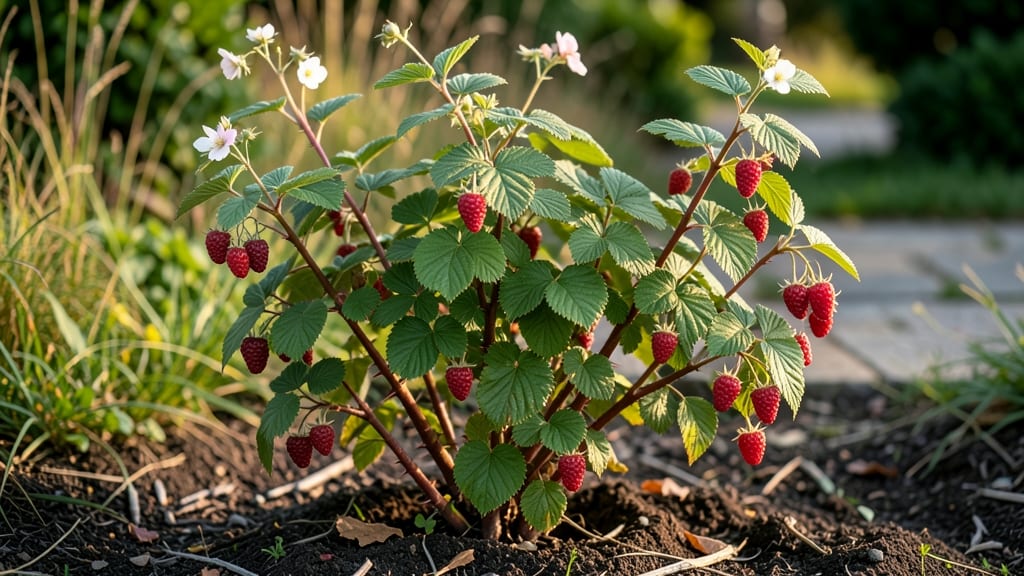
Raspberry bushes grow to 6 to 8 feet tall and spread 3 to 5 feet wide at maturity, making them a major player in your garden layout—but their size varies wildly depending on the variety and how you care for them.
Picture this: You plant a few raspberry bushes 🍇 in your backyard, only to watch them sprawl into your neighbor’s yard by summer. Or maybe you’ve seen those compact varieties at the nursery and wondered if they’re worth the hype.
The truth? Some raspberries stay neatly contained, while others need serious pruning or trellising to keep them in check.
If you’re planning your garden this spring, knowing the growth habits of your chosen raspberry variety is the key to avoiding overcrowding and maximizing fruit production.
Whether you’re working with floricane types (like Heritage) or primocane varieties (like Boyne), understanding their mature size helps you choose the right spot—and the right support system.
In this guide, I’ll break down exactly how big raspberry bushes get, compare popular varieties, and share space-saving tips to keep your plants productive without taking over your yard. Ready to design your raspberry patch like a pro?

Raspberry bush size guide: height, spread & growth habits by variety
Planning your raspberry patch but unsure how much space to allocate? Raspberry bushes vary dramatically in size depending on the variety and growth habit.
Summer-bearing types like Boyne can reach 6-8 feet tall with a 4-5 foot spread, while compact varieties like Heritage stay under 4 feet tall. Understanding these differences helps you choose the right cultivar for your garden layout and avoid overcrowding.
Raspberry bushes grow as perennial shrubs, meaning they produce new canes each year. The height and spread depend on whether they're summer-bearing (floricane types), fall-bearing (primocane types), or everbearing hybrids.
Summer-bearing varieties typically grow taller but produce fruit on second-year canes, while fall-bearing types fruit on first-year canes and may sprawl more.
Here’s the key difference: Summer-bearing raspberries (like Dorman Red) need 6-8 feet of height and 5-6 feet of spread at maturity, while fall-bearing varieties (like Heritage) stay shorter (4-5 feet tall) but spread wider (5-7 feet).
Everbearing types like Caroline strike a balance, growing 5-6 feet tall with a 4-5 foot spread.
| Variety Type | Common Cultivars | Mature Height (ft) | Mature Spread (ft) | Growth Habit | Best For |
|---|---|---|---|---|---|
| Summer-Bearing (Floricane) | Boyne, Dorman Red, Heritage | 6-8 ft | 4-6 ft | Tall, upright | Large gardens, trellises |
| Fall-Bearing (Primocane) | Heritage, Fall Red, Autumn Britten | 4-5 ft | 5-7 ft | Bushy, sprawling | Small gardens, containers |
| Everbearing (Hybrid) | Caroline, Anne, Ruby Ann | 5-6 ft | 4-5 ft | Compact, balanced | Balconies, small yards |
| Dwarf Varieties | Boyne Gold, Heritage (dwarf), Caroline (dwarf) | 3-4 ft | 3-4 ft | Ultra-compact | Containers, patios |
Note: Spread can double if not pruned or trellised. Always allow 3-4 feet of space between bushes for airflow.
If you're growing raspberries in a small garden, opt for dwarf varieties or train vines on a trellis to control spread. For example, Heritage raspberries can be pruned aggressively to stay under 3 feet tall while still producing abundant fruit.
Always space bushes 3-5 feet apart to prevent disease and improve air circulation.
Another factor influencing size is pruning habits. Summer-bearing varieties need annual winter pruning to remove old canes, while fall-bearing types benefit from summer pruning to encourage new growth. Without proper pruning, raspberry bushes can become overgrown and tangled, reducing fruit quality and increasing pest risks.
For urban gardens or balconies, consider container-growing dwarf raspberries. Varieties like Boyne Gold thrive in 5-gallon pots and stay under 3 feet tall, making them ideal for small spaces. Just ensure the container has drainage holes and you use a well-draining potting mix.
Climate also plays a role in raspberry bush size. In warmer regions (Zones 8-10), fall-bearing varieties like Autumn Britten may grow 1-2 feet taller due to extended growing seasons. Conversely, in
How to choose space-saving raspberry varieties for small gardens
If your garden space is limited but you still crave fresh raspberries, don't despair! Many compact raspberry varieties thrive in tight spaces without sacrificing yield. These space-saving cultivars reach just 3-5 feet tall at maturity, making them perfect for containers, small yards, or urban gardens.
For small garden success, focus on dwarf raspberry varieties like Heritage, Boyne, and Caroline. These everbearing types produce fruit twice yearly while staying neatly contained. Their controlled growth habit eliminates the need for sprawling canes that take over garden beds.
Summary table below highlights the best compact raspberry varieties for small spaces, including their mature size, fruit color, and care requirements.
When planting compact raspberry varieties, use trellis systems or container gardening to maximize vertical space. A simple 3-foot wire trellis keeps canes upright while improving air circulation and fruit quality.
For container growing, choose large pots (at least 18-inch diameter) with drainage holes and fill with well-draining soil mixed with compost.
To encourage compact growth, prune aggressively in late winter by removing all dead or weak canes and thinning to 6-8 strong canes. This pruning strategy prevents overcrowding and directs energy toward fruit production. Always use sterilized pruners to avoid spreading disease between plants.
For small-space success, pair your dwarf raspberries with companion plants like strawberries or lettuce. These low-growing companions utilize space efficiently while benefiting from the raspberries' drip irrigation system. Just ensure your raspberry plants receive 6-8 hours of sunlight daily for optimal growth.
With the right space-saving varieties and growing techniques, you can enjoy a bountiful raspberry harvest even in the smallest of gardens. Start with Heritage or Caroline for reliable production, then experiment with trellis training or container setups to find what works best for your space. 🌱