
How To
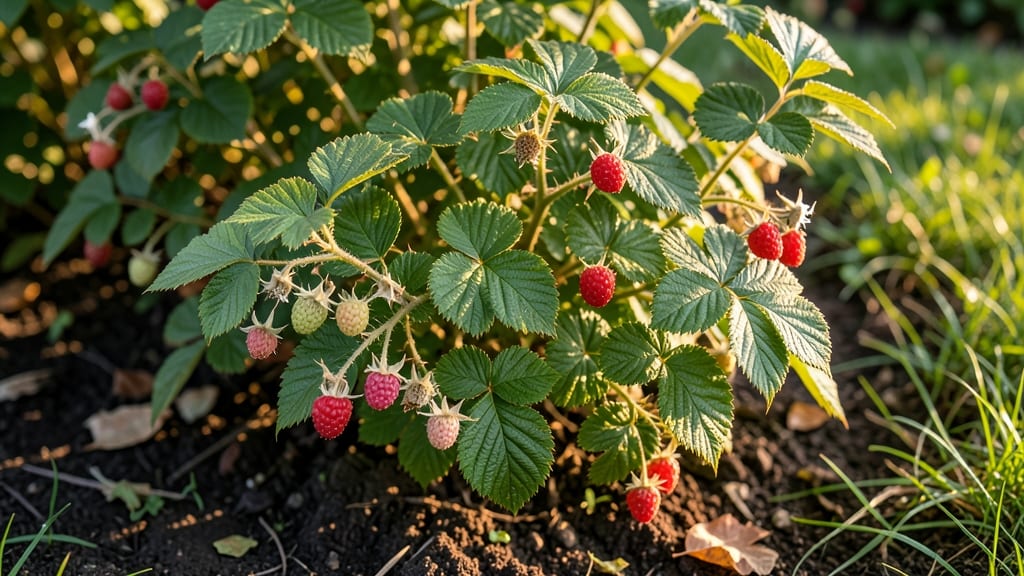
Raspberry bushes grow between 5 and 8 feet tall at maturity, but their height depends on the variety, pruning, and how you train them 🍇.
If you’ve ever wondered why your raspberry bushes seem to sprawl uncontrollably—or how to maximize their fruit production—understanding their mature height and growth habits is the key to a bountiful harvest.
Standard varieties like Heritage or Boyne can reach 6 to 8 feet without pruning, while dwarf types stay under 5 feet, making them perfect for small gardens or containers.
In this guide, I’ll break down how height varies by type, how pruning controls growth, and the best ways to train them vertically for easier harvesting and more space-efficient yields.

Raspberry bush height by variety: floricane vs primocane types explained
Raspberry bushes vary dramatically in height depending on their type—whether they're summer-bearing (floricane) or fall-bearing (primocane).
Understanding these differences helps you choose the right variety for your space and manage growth effectively. Floricane types like Heritage and Boyne produce fruit on second-year canes, while primocane types like Caroline bear fruit on first-year canes, affecting their height and pruning needs.
The height of your raspberry bushes also depends on their variety, growing conditions, and pruning habits. Standard varieties can reach 6-8 feet tall, while dwarf or semi-dwarf types stay between 3-5 feet.
If you're working with limited space, selecting the right type and training method can make all the difference in keeping your garden tidy and productive.
Here’s how the two main types compare in terms of height, growth habits, and care requirements:
| Type | Variety | Mature Height | Growth Habit | Fruiting Canes | Pruning Strategy |
|---|---|---|---|---|---|
| Floricane (Summer-Bearing) | Heritage | 5-6 ft | Upright, vigorous | Second-year canes | Remove old canes after harvest |
| Floricane (Summer-Bearing) | Boyne | 6-7 ft | Tall, spreading | Second-year canes | Prune in late winter |
| Primocane (Fall-Bearing) | Caroline | 4-5 ft | Compact, bushy | First-year canes | Minimal pruning; remove dead canes |
| Primocane (Fall-Bearing) | Autumn Bliss | 5-6 ft | Semi-upright | First-year canes | Light pruning in spring |
| Dwarf Variety | Heritage (dwarf) | 3-4 ft | Compact, controlled | Second-year canes | Trellis for support |
Floricane types like Heritage and Boyne are classic summer-bearing raspberries, producing fruit on second-year canes (called floricanes). These varieties can grow 5-7 feet tall if left unpruned, but their height is easier to manage with regular pruning. The key is removing old canes after harvest to encourage new growth for next year’s crop.
On the other hand, primocane types like Caroline and Autumn Bliss are fall-bearing, meaning they fruit on first-year canes. These varieties tend to be slightly shorter, typically reaching 4-6 feet tall, and require minimal pruning.
Their growth habit makes them ideal for smaller gardens or containers, as they produce fruit earlier in the season and continue bearing into fall.
If you're growing raspberries in a small space, consider dwarf varieties or training standard types vertically with trellises. For example, a Heritage dwarf stays around 3-4 feet tall, making it perfect for balconies or patio gardens.
Even standard varieties can be pruned to stay under 5 feet if you remove excess canes and provide support.
Another factor influencing height is your pruning strategy. Floricane types need aggressive pruning in late winter to remove old canes, while primocane types benefit from light pruning to shape the bush. Proper pruning not only controls height but also improves air circulation and fruit production.
For instance, thinning out crowded canes can reduce competition for nutrients, leading to healthier plants and bigger berries.
Climate and soil conditions also play a role in how tall your raspberry bushes grow. In warmer climates, raspberries may grow taller and more vigorously, while cooler regions can slow growth slightly.
Well-draining, fertile soil with plenty of organic matter encourages robust growth, but over-fertilizing can lead to excessive foliage at the expense of fruit. Aim for a balanced fertilizer like 10-10-10 to support both height and productivity.
For urban gardeners or those with limited space, trellising is a game-changer. By training raspberry canes vertically, you
Pruning zones for optimal height control and fruit production
Raspberry bushes naturally grow between 5 and 8 feet tall if left unpruned, but strategic pruning can keep them between 2 and 6 feet while boosting fruit production. The key lies in understanding pruning zones—specific areas where cuts stimulate bushier growth, better air circulation, and larger yields.
By focusing on these zones, you'll transform sprawling canes into a manageable, productive shrub that fits your garden space perfectly.
Most raspberry varieties produce fruit on second-year canes (floricane) or current-year canes (primocane), depending on the type. Summer-bearing varieties (like Heritage) need aggressive pruning to maintain height, while fall-bearing types (like Caroline) require a gentler approach.
The right pruning strategy ensures your bushes stay within your desired height while maximizing fruit production—without sacrificing plant health.
Divide your bush into three zones:
- Zone 1 (Base): 0–12 inches from soil
- Zone 2 (Mid): 12–36 inches
- Zone 3 (Top): 36+ inches
To keep bushes at 4–6 feet, focus on:
- Remove dead or weak canes at the base (Zone 1)
- Cut back last year’s fruited canes to 6 inches from ground (Zone 1)
- Trim new canes to 5–6 feet (Zone 2–3)
Prune at the right time for best results:
- Late winter/early spring: Remove dead canes (before buds swell)
- Summer (after harvest): Trim new canes to encourage branching
- Avoid fall pruning—it stresses the plant before winter
Use sharp pruning shears or a pruning saw for thicker canes, and always make cuts at a 45-degree angle just above a bud or node. This encourages new growth in the right direction.
For fall-bearing varieties, leave some primocanes unpruned to fruit in autumn, while summer-bearing types can be pruned more aggressively to maintain a compact shape.
After pruning, apply a 2-inch layer of mulch around the base to retain moisture and suppress weeds. This also protects the roots during winter, especially in colder climates.
With consistent pruning, your raspberry bushes will stay between 4 and 6 feet tall, producing larger yields while fitting neatly into your garden layout.
Remember, the goal isn’t just height control—it’s creating an open, airy structure that reduces disease risk and makes harvesting easier. A well-pruned raspberry bush is a fruit-producing powerhouse that rewards your efforts with juicy, plentiful berries year after year. 🍇✂️