
How To
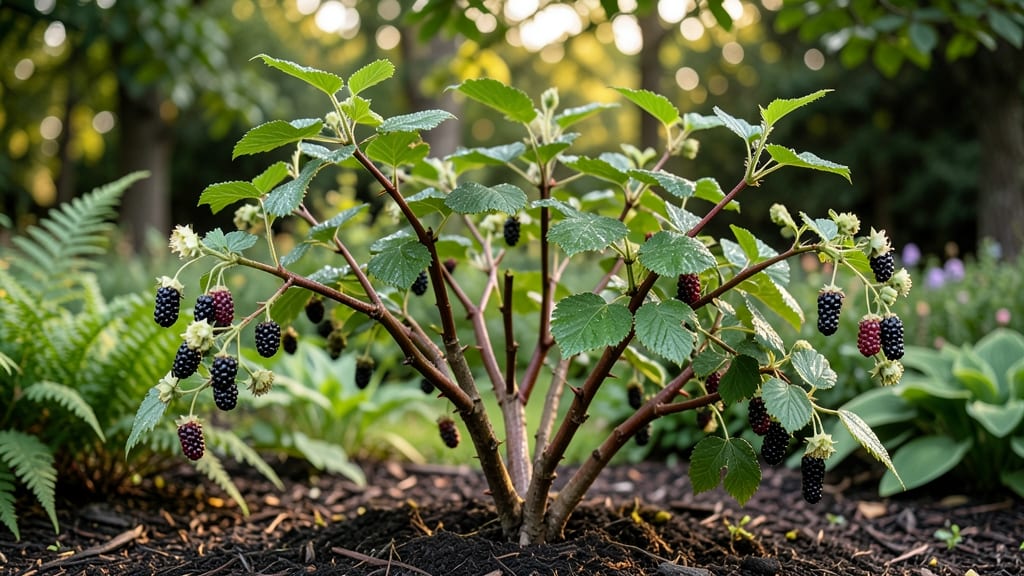
Blackberry bushes can grow between 6 and 12 feet tall—taller than most gardeners expect and far taller than their space allows if left unmanaged.
If you’re dreaming of juicy 🫐 blackberries but worried about towering, unruly bushes taking over your garden, you’re not alone. Without proper pruning and care, these vigorous shrubs can sprawl aggressively, turning a manageable harvest into a jungle of thorny canes.
The good news? With the right techniques, you can keep them compact, productive, and even container-friendly.
Height varies by variety—some dwarf types stay under 5 feet, while standard cultivars reach 8 to 12 feet. Thornless varieties often grow slightly taller but are easier to maintain. Understanding these differences is the first step to controlling their size while maximizing your berry yield.
In this guide, I’ll break down how to manage blackberry height through pruning, share the best compact varieties for small spaces, and explain how sunlight, soil, and seasonal care all play a role. By the end, you’ll know exactly how to keep your blackberries productive without the overgrowth.

Natural height range of blackberry bushes by variety and growth habits
Blackberry bushes are known for their vigorous growth, but their mature height varies dramatically depending on the variety and growth habit. Understanding these differences helps you choose the right type for your space and manage their size effectively.
Most blackberries fall into three growth categories: erect, semi-erect, and trailing, each with distinct height ranges and care requirements.
The natural height of blackberry bushes also depends on whether they’re thornless or traditional varieties. Thornless types often grow slightly more compactly, making them ideal for smaller gardens or urban spaces.
Meanwhile, traditional varieties can reach towering heights if not pruned regularly. Let’s break down the specifics by growth habit and variety type.
Erect blackberries are the tallest, typically reaching 6 to 12 feet at maturity. These varieties grow upright and require strong support systems like trellises or fences. Popular examples include Cheyenne and Triple Crown, both of which thrive in full sun and produce abundant fruit. Their vertical growth makes them perfect for larger gardens or commercial plantings.
| Growth Habit | Variety Type | Mature Height | Thornless? | Best For |
|---|---|---|---|---|
| Erect | Cheyenne | 8–12 ft | Yes | Large gardens, trellises |
| Erect | Triple Crown | 6–10 ft | Yes | High yields, full sun |
| Semi-erect | Natchez | 5–7 ft | Yes | Small spaces, containers |
| Trailing | Arapaho | 4–6 ft (spreading) | Yes | Ground cover, fences |
| Dwarf | Dwarf Blackberry | 3–5 ft | Yes | Patios, containers |
| Standard | Black Satin | 8–12 ft | No | Traditional gardens |
Semi-erect blackberries strike a balance, typically growing 5 to 7 feet tall with a slightly arching form. These varieties are versatile and work well in both garden beds and containers. Natchez is a prime example, offering large, sweet berries while staying manageable. Their semi-upright growth makes them easier to train than fully erect types.
Trailing blackberries, like the Arapaho variety, spread horizontally rather than vertically, reaching 4 to 6 feet in height but spreading much wider. These are ideal for ground cover or training along fences and trellises. Their sprawling habit requires more horizontal space but can create a stunning, productive living fence.
If you’re working with limited space, consider
Pruning techniques to control blackberry bush height and shape
Blackberry bushes can reach 6 to 12 feet tall if left unpruned, creating a tangled mess that dominates your garden. The key to managing their height lies in strategic pruning—timing matters just as much as technique.
By understanding when and how to prune, you can encourage bushier growth or keep canes compact, depending on your space and goals. Whether you’re working with thornless varieties or traditional types, these methods will keep your blackberries productive and your garden tidy.
Pruning blackberries involves two main seasons: winter dormancy for structural control and summer fruiting for maintenance. Winter pruning is your chance to reset the plant’s shape, while summer pruning keeps canes from becoming unruly.
Both require the right tools—a sharp pruning saw for thick canes and hand pruners for finer cuts—and a clear plan to avoid overgrowth. Let’s break down the steps to transform your blackberry patch from wild to well-managed.
Step-by-Step Pruning Guide
- 1 Winter Pruning (Dormant Season): After harvest, cut out old, weak canes at ground level. Select 4-6 strongest canes to keep for next year’s growth. Remove any diseased or crossing canes to improve airflow.
- 2 Summer Pruning (Fruiting Season): Pinch back new growth tips to encourage bushier growth. Remove suckers (shoots growing from the base) to redirect energy to established canes. Thin out crowded canes to reduce competition.
- 3 Structural Training: Use trellises or wires to guide canes upward, reducing sprawl. For compact growth, prune canes back by 1/3 each year to maintain a manageable height of 3-5 feet for dwarf varieties.
- 4 Tool Maintenance: Sharpen pruners and saws before use to make clean cuts. Disinfect tools with rubbing alcohol between cuts to prevent disease spread.
One common mistake gardeners make is over-pruning in winter, which can stunt new growth. Always leave at least 4-6 healthy canes to ensure next year’s harvest. Another pitfall is pruning too late in summer, which removes potential fruiting wood.
Stick to the seasonal schedule, and your blackberries will thrive without becoming unruly giants.
For thornless varieties, pruning is even more critical since their canes can sprawl aggressively. Use floral ties or clips to secure canes to trellises, keeping them off the ground and reducing disease risk.
Regularly inspect canes for signs of powdery mildew or botrytis, and prune affected areas immediately to protect the rest of the plant.
If your goal is a compact blackberry bush, focus on annual renewal pruning—removing older canes each winter and encouraging new growth from the base. This method keeps heights under 5 feet while maintaining productivity.
Pair this with balanced fertilization (like a 10-10-10 NPK mix) in early spring to support controlled growth.
With consistent pruning, your blackberry bushes will stay productive, manageable, and beautiful—no more jungle-like tangles taking over your garden. Start with winter pruning this year, and you’ll see a noticeable difference in height and shape by next season’s harvest. Happy pruning! 🌱✂️