
Size
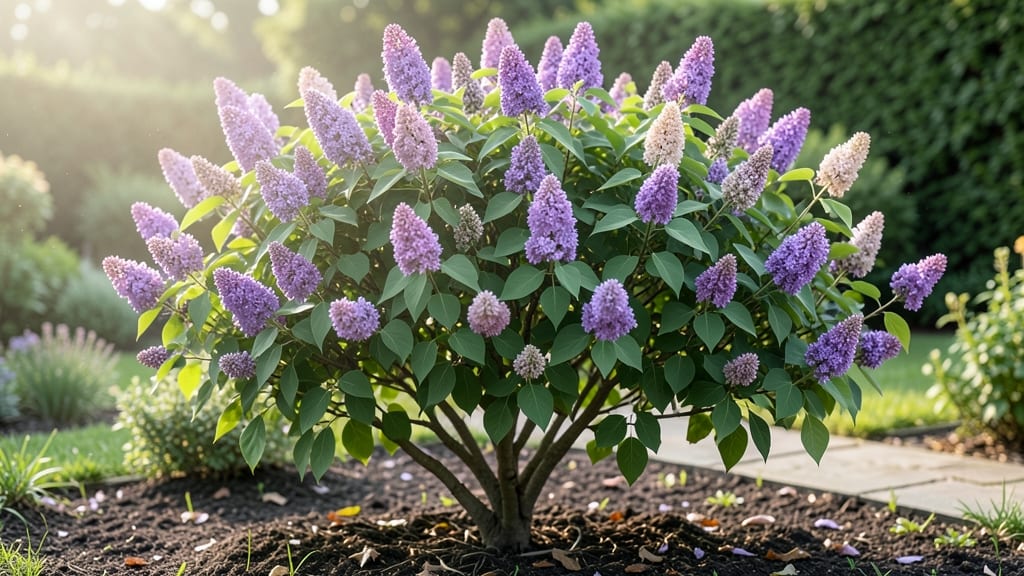
Lilac bushes grow to heights of 8 to 15 feet and spreads of 6 to 12 feet at maturity, depending on the variety and growing conditions.
If you’re dreaming of fragrant spring blooms but wondering whether lilac bushes will overwhelm your garden—or fit perfectly—you’re not alone. These classic shrubs vary wildly in size, from compact dwarf varieties to towering giants that need serious space.
The key to choosing the right lilac for your space is understanding how each variety grows. Standard lilacs like Syringa vulgaris can reach 10 to 15 feet tall, while dwarf types stay under 3 to 5 feet, making them ideal for small yards or containers.
In this guide, I’ll break down everything you need to know—from how soil, sunlight, and pruning affect size to the best varieties for your landscape. By the end, you’ll know exactly how to pick, plant, and maintain lilacs that thrive without taking over your garden.

Lilac bush size breakdown: height, spread & growth habits explained
When planning your garden, knowing how big do lilac bushes grow is crucial—especially since their size can range from petite to towering.
The common lilac (Syringa vulgaris) typically matures between 8 to 15 feet tall, with a spread of 8 to 12 feet, creating a dramatic focal point.
However, not all lilacs reach this height; some dwarf varieties stay under 3 feet, making them perfect for small spaces.
Understanding these dimensions helps you avoid overcrowding or planting too far apart. For example, a standard lilac bush needs at least 10 feet of space in all directions to thrive, while dwarf types can fit neatly into 3-foot-wide garden beds.
Your choice of variety directly impacts your garden layout and long-term maintenance.
| Variety | Mature Height | Mature Spread | Growth Rate | Best For |
|---|---|---|---|---|
| Syringa vulgaris (Common Lilac) | 8–15 ft | 8–12 ft | Moderate (1–2 ft/year) | Large gardens, hedges |
| Syringa oblata (Japanese Lilac) | 6–10 ft | 6–8 ft | Slow to moderate | Medium spaces, borders |
| 'Little Lila' (Dwarf Lilac) | 3–5 ft | 3–4 ft | Slow (6–12 in/year) | Containers, small yards |
| 'Miss Kim' (Korean Lilac) | 6–8 ft | 5–6 ft | Moderate | Urban gardens, patios |
| 'Bloomerang' (Reblooming Lilac) | 7–10 ft | 6–8 ft | Moderate | Extended blooms, privacy screens |
Soil quality plays a major role in determining lilac bush size. Well-draining, slightly alkaline soil (pH 6.5–7.5) encourages healthy root development, while poor soil can stunt growth or lead to leggy, weak stems.
If your soil is heavy clay, amend it with compost or sand to improve drainage. I’ve seen lilacs in rich, loamy soil grow 20–30% faster than those in compacted or waterlogged areas.
Sunlight is another critical factor. Lilacs thrive in full sun (6+ hours daily), which fuels their rapid growth. In partial shade, they may grow 1–2 feet shorter and produce fewer blooms.
For example, a common lilac in full sun might reach 12 feet, while the same variety in dappled shade could max out at 8 feet. Position your lilac where it gets morning sun and afternoon shade in hot climates.
Pruning also influences size. If you skip pruning, lilacs can become overgrown and woody, reducing airflow and increasing disease risk. I recommend annual pruning in late spring to remove dead or crossing branches and shape the bush.
This keeps growth controlled and encourages larger, more abundant blooms the following year. Overgrown lilacs can be revived with rejuvenation pruning, cutting back 1/3 of the oldest stems to stimulate new growth.
Growth rates vary by variety. Dwarf lilacs like 'Little Lila' grow just 6–12 inches per year, while standard types like 'Katherine Havemeyer' can add 1–2 feet annually.
In my own garden, a 5-year-old 'Miss Kim' lilac reached 6 feet tall and 5 feet wide, proving how quickly these shrubs can fill space. Plan accordingly—if you want blooms sooner, choose faster-growing varieties, but be ready for more frequent pruning.
Spacing is often overlooked but critical. Plant lilacs 10–15 feet apart for standard varieties to prevent competition. In smaller gardens, opt for dwarf or semi-dwarf types spaced 3–6 feet apart.
I once planted two common lilacs 8 feet apart, and within 3 years, their canopies merged, creating a dense, fragrant hedge. Always check the mature spread of your chosen variety before planting.
Climate also affects size. Lilacs in USDA Zones 3–7 grow most vigorously, while those in warmer zones (8+) may stay smaller due to heat stress.
In my Zone 6 garden, lilacs thrive, but a friend in Zone 9 reports her 'Bloomerang' lilac stays around 6 feet tall instead of the expected 8–10 feet. Adjust your expectations based on your local climate.
For container growing, choose dwarf varieties like 'Little Lila' or 'Mariesii', which stay under 5 feet tall. Use a 15–20 gallon pot with drainage holes and repot every 2–3 years to accommodate root growth.
I’ve grown 'Miss Kim' in a large container for 4 years without issues, though it stayed slightly smaller than its in-ground counterparts.
If you’re unsure about size, start with a potted lilac to test your space before committing to a permanent planting. Observe how it grows for a season
Best lilac varieties for small yards vs. large gardens: size comparison
Choosing the right lilac variety depends entirely on your space. A dwarf lilac can thrive in tight urban gardens, while standard varieties need room to sprawl. The key is matching the shrub’s mature size to your landscape layout—whether you have a cozy patio or a sprawling backyard.
Let’s break down the best options for every garden type.
For small yards, compact varieties like 'Little Leaf' or 'Minnesota Snowflake' stay under 3 feet tall, perfect for containers or foundation plantings. Meanwhile, large gardens can accommodate giants like 'President Lincoln', which can reach 12+ feet tall.
Your yard’s size isn’t the only factor—consider sunlight, soil, and your pruning style too.
Here’s a quick size comparison of popular lilac varieties to help you visualize their mature dimensions:
If you’re working with limited space, consider container growing. Dwarf varieties like 'Little Leaf' or 'Bloomerang' (which blooms twice yearly) thrive in 15-gallon pots with well-draining soil. Just ensure your container has drainage holes and place it where it gets 6+ hours of sunlight daily.
For large gardens, use towering lilacs as privacy screens or backdrop plants.
Pro tip: Always check the mature spread of a lilac variety, not just its height. A 10-foot-tall lilac with a 15-foot spread (like 'Purple Emperor') will dominate a small yard.
Plant it where it has room to expand, or pair it with companion plants like hostas or ferns to soften its edges.
For urban gardens, I recommend multi-stemmed lilacs like 'Dwarf Korean', which grows in clusters instead of a single trunk. This habit makes them ideal for small spaces and adds visual interest. Just remember: even dwarf varieties need regular pruning to keep their shape tight and encourage blooms.
No matter your yard’s size, lilacs add fragrance and color that’s hard to beat. Pick the right variety, give it space to grow, and you’ll enjoy their springtime beauty for decades. Happy planting! 🌸