
Container Gardens
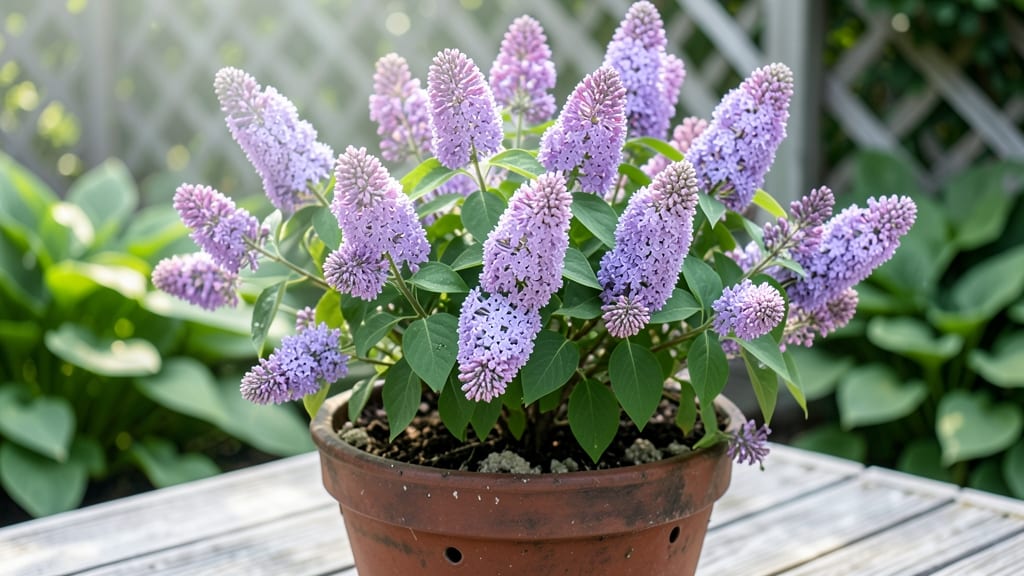
Growing a potted lilac bush lets you enjoy that classic spring fragrance anywhere—even on your tiny balcony. 🌿 The key isn’t just picking a pretty pot; it’s matching soil, sunlight, and pruning to what lilacs really need to thrive in containers.
I’ve learned the hard way that skipping these basics means weak blooms or leggy growth by summer. Start with well-draining soil mixed with perlite (lilacs hate soggy roots), a 15-gallon container (minimum), and full sun for at least 6 hours daily.
Water only when the top inch feels dry—overwatering kills them faster than drought. The real magic happens in late summer when you prune back one-third of the oldest stems to force next year’s blooms.
By next spring, you’ll have vibrant purple clusters that perfume the air, and the plant will stay compact enough to move indoors during heatwaves. The secret? Prune after blooming, never before—this is where most gardeners mess up. Even in pots, lilacs can live 15+ years with proper care.
This works for balconies, patios, or even large windowsills—just adjust container size for dwarf varieties. Let’s get that fragrance growing!
📚 In This Guide
- What you need
- Instructions
- Tips and common mistakes
- Wrapping up and next steps
What you need
- ● Potted Lilac Bush: 1-2 healthy nursery-grown lilac plants (choose Syringa varieties like 'Dwarf Korean' for containers).
- ● Container: 1 large pot (18–24 inches in diameter) with drainage holes. Terracotta or fiberglass works best.
- ● Potting Mix: 1 bag (1–2 cubic feet) of well-draining mix: 60% potting soil, 30% perlite, and 10% compost.
- ● Drainage Material: Small gravel or expanded shale (1–2 inches) for the pot’s base.
- ● Watering Can: 1 with a narrow spout for deep watering.
- ● Pruning Shears: 1 pair of sterilized, sharp shears (or loppers for thicker stems).
- ● Fertilizer: 1 slow-release granular fertilizer (10-10-10 or balanced) or liquid bloom booster.
- ● Mulch (2–3 inches of bark or pine needles) to retain moisture.
- ● Plant support (small stakes or a cage) if your lilac grows tall.
- ● pH test kit to check soil acidity (ideal: 6.0–7.0).
- ● Slow-release moisture beads for drought-prone areas.
- ● Decorative pot saucer to catch runoff and add style!
Step-by-step instructions for growing a thriving potted lilac bush
Here's how to cultivate a fragrant, long-lived lilac in containers—with the right soil, pruning, and care.
🪴 Step 1: Select the Right Container and Soil Mix
Choose a 5-gallon or larger container with drainage holes—lilacs hate soggy roots. I use unglazed terra cotta for best breathability, but plastic works too if you drill extra holes. Fill the bottom 2 inches with gravel or coarse perlite to prevent compaction and improve drainage.
Next, blend equal parts high-quality potting mix and compost for nutrients. Lilacs prefer slightly acidic to neutral soil (pH 6.0-7.0). Add a handful of slow-release fertilizer (10-10-10) to the mix—this gives roots a steady nutrient supply without burning. Tap the container gently after filling to settle the soil without compacting it.
🌱 Step 2: Plant Your Lilac Bush Properly
Dig a hole in the container twice as wide as the root ball but no deeper. Gently loosen the roots of your lilac if they're circling—this encourages outward growth. Place the plant so the top of the root ball sits 1 inch below the container rim for stability and water retention.
Backfill with your soil mix, pressing lightly to remove air pockets. Water deeply until moisture runs from the drainage holes—this helps the roots settle into their new home. Avoid disturbing the soil surface; lilacs establish best when left undisturbed for their first 2-3 weeks.
☀️ Step 3: Position for Optimal Sun and Watering
Lilacs need full sun (6+ hours daily) for best blooms. A south-facing spot is ideal, but they tolerate partial shade if you accept fewer flowers. If growing in a patio container, rotate the pot quarter-turn weekly so the bush grows evenly—you'll see lopsided growth if it leans toward the light.
Water deeply every 2-3 days until the top 2 inches of soil feel dry. Lilacs in pots dry out faster than in-ground plants. Mulch the soil surface with 1 inch of bark chips to retain moisture and prevent soil splashes on leaves (which can spread disease). In winter, move pots to a protected location if temperatures drop below 10°F—lilacs need cold dormancy but won’t survive freezing roots.
✂️ Step 4: Prune for Shape and Abundant Blooms
Prune lilacs right after flowering (late spring) to shape the bush and encourage next year’s blooms. Remove dead or crossing branches first—these compete for energy. Cut back overly long stems to 1/3 of their length, making cuts just above a bud or leaf node (this is where new growth emerges).
Here's the thing—lilacs bloom on old wood, so avoid heavy pruning in fall or winter. If you see weak, leggy growth, it’s a sign of too much shade or over-fertilizing. In early spring, remove any damaged stems from winter but wait to shape until after blooms fade. Always sterilize pruners with rubbing alcohol between cuts to prevent disease spread.
🌿 Step 5: Feed and Maintain for Year-Round Health
Feed your potted lilac twice a year: once in early spring with a balanced fertilizer (10-10-10) and again after mid-summer blooms with a low-phosphorus formula (5-10-10) to avoid leafy growth over flowers. Water the soil thoroughly before applying fertilizer to prevent root burn.
Watch for aphids or spider mites on new growth—these pests love lilacs. Spray with neem oil if you spot sticky residue (honeydew) on leaves. In late fall, reduce watering but keep soil slightly moist until dormancy. A healthy potted lilac will reward you with fragrant blooms for decades—just stay consistent with care!
Tips & tricks for perfect potted lilac care
These insider tricks will help your container-grown lilac thrive for years—no gardening degree required.
Soil Science: The 50/50 mix of potting soil and compost isn't just about nutrients—it's about aeration. I've found that adding 1 part perlite to that mix (making it 40% soil, 40% compost, 20% perlite) prevents compaction in pots, which is crucial since lilacs hate soggy roots. Test your soil pH with a kit first—if it's below 6.0, mix in 1 tablespoon of dolomitic lime per gallon of mix to adjust it gradually.
Root Ball Strategy: When planting, don't just eyeball that "1 inch below rim" placement. Use a pencil to mark the exact depth on the container's side before digging—this ensures consistency. For established plants being repotted, trim 1/3 of the oldest roots with clean shears before replanting. This shock treatment sounds counterintuitive, but it forces new root growth that adapts better to containers.
Winter Survival Hack: The 10°F threshold isn't just about moving pots—it's about insulation. Wrap the container in bubble wrap or horticultural fleece before moving it to a protected spot. For extra-large pots, fill the saucer with dry leaves or straw to create an insulating barrier. I've kept lilacs thriving through 5°F nights this way by combining both methods.
Pro Tips for Potted Lilac Bush
- These insider tricks will help your container-grown lilac thrive for years—no gardening degree required.
- Soil Science: The 50/50 mix of potting soil and compost isn't just about nutrients—it's about aeration. I've found th...
- Root Ball Strategy: When planting, don't just eyeball that "1 inch below rim" placement. Use a pencil to mark the exa...
Frequently asked questions
Got questions about keeping your potted lilac bush happy and blooming? You’re not alone! Here are some of the most common queries—plus quick, practical answers to keep your fragrant beauty thriving in containers.
When is the best time to plant a potted lilac bush?
Plant your lilac in early spring or fall when temperatures are mild (50–70°F). Avoid extreme heat or frost—lilacs hate soggy roots in winter or scorching summer soil. If repotting, do it in spring to give roots time to establish before blooming season.
How do I prune a potted lilac bush to encourage more flowers?
Prune right after blooming (late spring/early summer) to shape the bush and promote next year’s flowers. Cut back 1/3 of the oldest stems to the base and trim others to an outward-facing bud. Avoid heavy pruning in fall—it removes next year’s flower buds! Pro tip: Use sterilized shears to prevent disease.
Why isn’t my potted lilac bush blooming?
Lilacs need full sun (6+ hours/day) and well-draining soil. Common culprits:
- Too much shade → Move to a sunnier spot.
- Overwatering → Let soil dry slightly between waterings.
- Old age → Lilacs decline after 10–15 years; consider rejuvenation pruning or replacing.
- Lack of nutrients → Feed with balanced fertilizer in early spring.
Can I grow a potted lilac bush in a small container?
Yes! Choose a minimum 15–20 gallon pot with drainage holes. Lilacs have aggressive roots, so upgrade containers every 2–3 years. Use a fast-draining mix (60% potting soil, 30% perlite, 10% compost) to prevent root rot. Dwarf varieties (like ‘Miss Kim’) thrive in smaller pots.
What pests should I watch for in a potted lilac bush?
Keep an eye out for:
- Aphids (sticky leaves) → Spray with neem oil or soapy water.
- Japanese beetles (skeletonized leaves) → Handpick or use milky spore.
- Spider mites (webbed undersides) → Increase humidity and rinse leaves.
- Powdery mildew (white dust) → Prune for airflow and apply fungicide.
Inspect leaves weekly during growing season to catch issues early! Quick fix: Wipe leaves with a damp cloth to deter pests.
What’s a good alternative if lilacs are too high-maintenance?
Try these fragrant, low-maintenance container shrubs:
- Dwarf Butterfly Bush – Purple blooms, drought-tolerant.
- Lavender – Silvery foliage, loves heat/drought.
- Abelia – Blooms spring to fall, thrives in partial shade.
- Mock Orange (Philadelphus) – Intense fragrance, easy pruning.
All handle pots well and require less aggressive pruning than lilacs!
Wrapping up and next steps
Growing a potted lilac bush is a rewarding way to enjoy fragrant blooms and lush greenery year-round—even in small spaces! With the right soil, sunlight, and pruning know-how, you’ll create a stunning container garden that’s both functional and beautiful. 🌿✨
Now that you’re armed with tips and tricks, take the next step: grab your shears, choose your favorite lilac variety, and get planting! Whether you’re a beginner or a seasoned gardener, your potted lilac will thrive with a little love and attention. Happy gardening!