
Plants
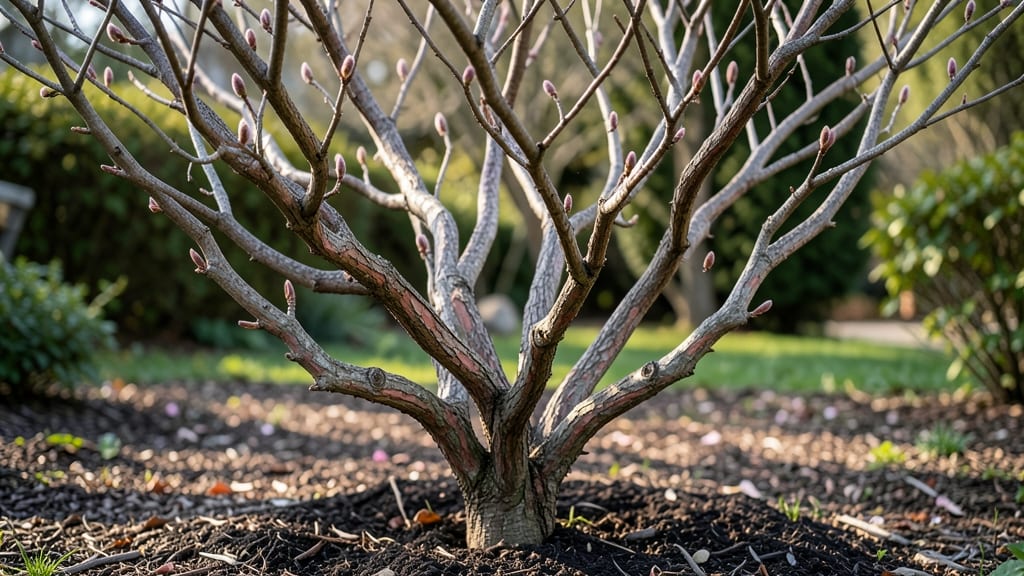
What do lilac bushes look like in winter?
Look, they reveal their skeletal elegance—bare branches with swollen buds waiting for spring. 🌿 Unlike their lush summer foliage, winter lilacs show off their zigzag stems and tight clusters of next year’s blooms, a quiet promise of purple fragrance to come.
The branches often arch gracefully, creating a natural, airy silhouette that’s surprisingly beautiful against a snowy backdrop. You’ll spot them by their dark brown to reddish stems and buds arranged in dense, rounded clusters along the branches.
Pruned lilacs look even more striking in winter, with clean lines that stand out against bare trees. If you’re unsure whether a bush is lilac, check for these telltale signs: smooth bark, no thorns, and buds that feel slightly fuzzy—classic lilac characteristics.
The dormant state is actually a good time to assess their health—look for thick, sturdy branches and plump buds, both signs of a strong plant. Weak or sparse branches might need pruning in late winter to encourage better blooms next season.
Winter’s bare branches also make it easier to spot pests or disease, like blackened buds or unusual growths. If your lilacs look a little sad, a light mulch around the base can protect roots from freezing temps. Just avoid piling it too high—3-4 inches is plenty.
Winter’s the perfect time to plan your pruning, too, so you’re ready to shape them as soon as the buds start swelling in early spring.
Nature’s Winter Survival Mode
When lilac bushes shed their vibrant purple blooms and stand stark against the winter sky, it’s not a sign of decline—it’s a strategic survival tactic. These woody shrubs, native to temperate climates, enter a state of dormancy to endure harsh conditions.
Here’s why they transform into skeletal silhouettes and how their biology makes it possible.
Lilacs (Syringa spp.) are deciduous shrubs, meaning they rely on seasonal cues to conserve energy. As temperatures drop below 50°F (10°C), their cells release abscisic acid, a plant hormone that signals dormancy. This hormone:
- Closes stomata: Tiny pores on leaves seal shut to prevent water loss, even if frost forms.
- Stops photosynthesis: Chlorophyll breaks down, turning leaves yellow/brown before they fall, conserving nutrients.
- Slows metabolism: Growth halts, and stored sugars in roots/branches fuel survival until spring.
Fun fact: Some lilac varieties (like Syringa vulgaris) can tolerate down to -30°F (-34°C)—their buds are packed with antifreeze proteins that prevent ice crystal damage.
Before shedding leaves, lilacs perform a nutrient recycling act. They:
- Break down chlorophyll: Leaves turn brown as pigments like anthocyanin take over (hence the occasional purple-tinged foliage in fall).
- Transport nutrients: Nitrogen, phosphorus, and potassium are absorbed back into roots and stems via the phloem (the plant’s "vein" system).
- Store energy: Starches in roots and woody stems act like a winter food bank for new growth in spring.
Pro tip: 🌱 If your lilac’s branches look too bare (no buds), it might be starving—amend soil with compost in early spring to replenish nutrients.
Lilacs aren’t just passive survivors—they actively protect their critical structures:
| Feature | How It Works |
|---|---|
| Bud scales | Tight, overlapping layers of modified leaves shield meristem cells (growth centers) from freezing. Their waxy coating reduces water loss. |
| Woody bark | Thick, corky bark insulates stems, while lenticels (pores) allow gas exchange without losing heat. |
| Root depth | Most lilac roots grow 12–18 inches deep, accessing unfrozen soil layers for moisture and stability. |
Warning: ❄️ If snow piles against stems, it can insulate too much and cause rot. Gently brush away excess snow to prevent moisture buildup.
Lilacs’ winter transformation isn’t laziness—it’s millennia of adaptation. By understanding these mechanisms, you can support their dormancy (like mulching to insulate roots) and ensure they burst back to life with even more dramatic blooms next spring.
Reviving winter-bare lilac bushes
Winter can leave lilac bushes looking stark and dormant, but with the right care, you can help them bounce back stronger for spring blooms. Here’s how to address common winter challenges and restore your lilac’s health—plus tips to prevent future issues.
---
#### 1. 🍂 Over-Pruned or Damaged Branches If your lilac’s branches appear bare and gnarled, harsh pruning or winter storms may be to blame. Lilacs bloom on old wood, so aggressive cuts can reduce next year’s flowers.
How to Fix It: - 🔪 Trim Correctly: Wait until late spring or early summer (after blooming) to prune. Remove only dead, crossing, or overly crowded branches—never cut more than 1/3 of the bush at once. - 🌱 Shape Gently: Use clean, sharp shears to encourage an open center. Avoid "lion’s tailing" (cutting all branches to a single point). - 🌟 Pro Tip: If branches are completely bare, they may still be alive—check for buds at the base of stems (they’ll sprout in spring).
Prevention: ✔ Mark pruning season on your calendar to avoid accidental cuts. ✔ Stake weak branches before winter to prevent storm damage.
---
#### 2. ❄️ Frost or Winter Burn Cold snaps can scorch leaves or kill tender growth, leaving lilacs looking brown and crispy even before spring.
How to Fix It: - 🌡️ Protect Young Bushes: Wrap mature lilacs (3+ years old) with burlap or frost cloth in late fall, securing it loosely. - ☀️ Shield from Wind: Plant lilacs in sheltered spots (near fences or walls) to reduce windburn. - 💧 Hydrate Deeply: Water deeply in early winter (before freezing) to help roots withstand cold.
Prevention: ✔ Mulch heavily (3–4 inches of wood chips or straw) around the base to insulate roots. ✔ Avoid late-season fertilizing, which encourages tender new growth vulnerable to frost.
---
#### 3. 🐜 Pests or Disease Hiding in Bare Branches Even dormant lilacs can harbor borers, scale, or fungal spores that weaken the plant.
How to Fix It: - 🔍 Inspect Closely: Look for sawdust-like frass (borer droppings), sticky sap (scale), or blackened cankers (disease). - 🧼 Clean Up: Prune infected branches 6+ inches below damage and sterilize tools with rubbing alcohol. - 🛡️ Treat Early Spring: Spray with neem oil (for pests) or copper fungicide (for cankers) before buds swell.
Prevention: ✔ Remove fallen leaves/debris in autumn to reduce pest habitats. ✔ Plant lilacs in full sun (6+ hours/day) to deter fungal growth.
---
#### 4. 💧 Drought Stress from Winter Thaw Rapid temperature swings can deplete soil moisture, leaving lilacs weak and prone to breakage.
How to Fix It: - 💦 Water Slowly: If winter thaws occur, water deeply but infrequently (once every 2–3 weeks) to avoid soggy roots. - 🌱 Test Soil Moisture: Stick your finger 2 inches into the soil—if dry, water until moisture reaches 6 inches deep.
Prevention: ✔ Improve drainage by amending soil with compost before winter. ✔ Avoid compacted soil—mulch with pine needles (acidic) if your lilac prefers richer soil.
--- Even if your lilac looks completely bare, it’s likely dormant, not dead. To jumpstart spring: 1. 🌱 Fertilize Lightly: Use a balanced 10-10-10 fertilizer in early spring (when buds swell). 2. ☀️ Prune for Sun: Thin out dense branches to let light penetrate the center.
3. 👀 Monitor for Buds: Lilac buds form in late summer/fall—if you see tiny green swellings, your bush is alive!
--- Remember: Lilacs are hardy and resilient—with patience and the right care, they’ll reward you with fragrant purple blooms come spring! 🌸
Frequently asked questions about lilac bushes in winter
Why do lilac bushes lose all their leaves in winter?
Lilacs are deciduous shrubs, meaning they naturally shed leaves to conserve energy during cold months. When temperatures drop below 50°F (10°C), their cells release a hormone called abscisic acid, which triggers leaf drop. This helps them survive harsh winters by redirecting nutrients to roots and stems for spring growth.
How can I tell if a bare winter branch is still alive?
Look for swollen buds along the branches—these are the future blooms! Healthy branches also have smooth, dark brown bark and feel firm to the touch. If you see tiny green swellings in late winter, your lilac is alive and preparing for spring. Run your fingers along the stems for fuzzy buds, a classic lilac trait.
Should I prune my lilac bushes in winter?
Winter is the best time to plan pruning, but avoid cutting until late winter or early spring (after buds swell). Lilacs bloom on old wood, so pruning too early removes next year's flowers. If you must prune now, remove only dead or diseased branches. Save major shaping for after blooming in summer.
What do lilac buds look like before they bloom?
Lilac buds appear as dense, rounded clusters along the branches, often in reddish-brown or green hues. They feel slightly fuzzy when touched and are tightly packed. In late winter, these buds will begin to plump up and turn a lighter green—this is when you'll see the classic lilac shape forming.
Can I plant lilac bushes in winter?
Yes! Winter planting is ideal because cooler temperatures reduce stress on roots. Choose bare-root lilacs and plant before the ground freezes. Amend the soil with compost and water thoroughly. Mulch with 3-4 inches of wood chips to protect roots from freezing. Just avoid planting when the ground is frozen solid.