
Shrubs
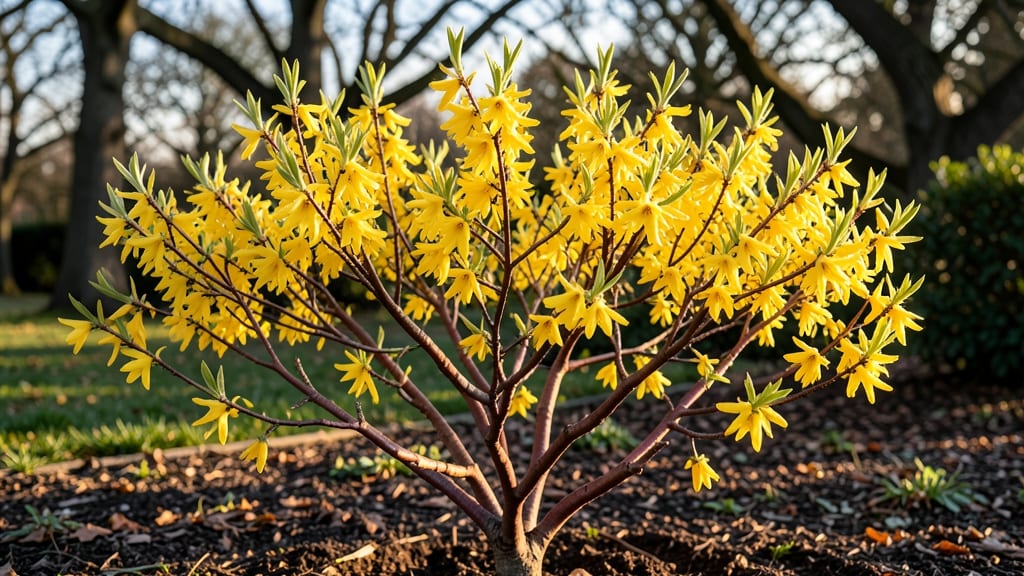
Forsythia bush care bursts into golden cheer every spring, but keeping them thriving requires pruning science—not just clipping branches randomly. 🌿 My first attempt left me with a leggy, sparse shrub, but I’ve since cracked the code to year-round health, from vibrant blooms to dense foliage. The secret lies in timing and technique: prune immediately after flowering (late spring) to shape the bush and encourage next year’s blooms. Overgrown forsythias? Cut back up to a third of their size—they bounce back with surprising resilience. Just avoid pruning in fall or winter, when the plant needs its energy to prepare for spring. You’ll end up with a bush that flowers earlier and more abundantly, stays compact, and resists pests better. The golden-yellow blooms arrive weeks ahead of most spring flowers, making your yard the first to welcome warmer days. Works for both sunny borders and partial shade spots. Here’s how to keep yours looking its best all season long.
📚 In This Guide
- What you need
- Instructions
- Tips and common mistakes
- Wrapping up and next steps
What you need
- ● Pruning shears: Sharp, bypass-style shears (for clean cuts) – 1 pair (or a small pruning saw for thicker branches).
- ● Loppers: For branches up to 2 inches in diameter – 1 pair.
- ● Gloves: Heavy-duty gardening gloves (to protect from thorns and sap) – 1 pair.
- ● Disinfectant: 70% isopropyl alcohol or a pruning sealant (to prevent disease spread).
- ○ Pruning saw: For stubborn, woody stems – 1 (optional but helpful for mature bushes).
- ● Garden hose or bucket: For rinsing tools and cleaning up sap.
- ● Mulch: Organic mulch (like shredded bark) – 2-3 inches (to retain moisture and suppress weeds).
- ● Fertilizer: Balanced, slow-release granular fertilizer (10-10-10 ratio) – as needed (spring/fall).
- ● Hand pruners: For precision trimming of small branches.
- ● Extension pole: For reaching higher branches safely.
- ● String or measuring tape: To mark pruning lines for uniformity.
- ● Compost bin: For disposing of pruned branches (or repurpose as mulch!).
- ● Safety glasses: If working with thick branches or debris.
Instructions for pruning forsythia for year-round health
Here's the pruning method I've used for decades to keep forsythia blooming reliably and looking its best.
✂️ Step 1: Prune Immediately After Spring Blooming
Your first pruning happens right after the forsythia finishes flowering in late spring—usually 4-6 weeks after you see the last yellow bloom. This is the most critical timing because forsythia flowers on old wood, meaning next year's blooms form on this year's growth. Cut back any dead, diseased, or crossing branches first using clean, sharp pruners.
For shaping, remove no more than one-third of the plant's total growth in a single year. I like to focus on opening up the center by removing older, inward-growing branches. This prevents the classic "forsythia donut" shape where the center becomes dense and bare. Watch for new growth emerging from the base—this is your signal the plant is responding well.
✂️ Step 2: Light Summer Pruning to Encourage Airflow
In midsummer, when temperatures hit 75-85°F, give your forsythia a quick once-over. Remove any suckers growing from the base or roots—they drain energy from the main plant. Also trim back any branches that are growing too long or leggy, cutting them back to a healthy bud or lateral branch.
This light pruning prevents overcrowding and improves airflow, which reduces the risk of fungal diseases like powdery mildew. You'll see the plant looking fuller and more balanced within a few weeks. I usually do this in July when the plant has finished its main flush of growth but before fall dormancy begins.
⏰ Step 3: Minimal Fall Cleanup Before Dormancy
As fall approaches and leaves begin to yellow, do a final check for any dead or diseased branches. Remove them completely to prevent overwintering pests. Forsythia doesn't need heavy pruning in fall, but you can lightly trim any branches that are growing in an unruly direction. The goal here is to prepare the plant for winter while maintaining its natural shape.
Stop all pruning by mid-October to allow the plant to harden off properly. You'll notice new growth slow down and the plant's leaves turn yellow—this is your cue that it's entering dormancy. A light layer of mulch (about 2-3 inches) around the base helps protect the roots from freezing temperatures.
☀️ Step 4: Winter Inspection and Early Spring Prep
In late winter, before buds begin to swell (usually February-March depending on your climate), do a quick inspection. Remove any dead branches that might have died over winter. Forsythia is generally hardy, but harsh winters can take a toll. Look for signs of bud break—this is when you'll see tiny green buds forming along the branches.
If you notice any branches that didn't bloom well last year, you can prune them back lightly to encourage new growth. Avoid heavy pruning at this stage, as it can reduce the number of blooms for the upcoming season. The plant's vibrant yellow flowers will emerge from these buds, so give them the best chance by keeping the plant healthy and well-maintained.
Tips & tricks for perfect forsythia pruning
A few well-timed tricks can transform your forsythia from overgrown to vibrant year after year. Here's what I've learned after decades of pruning these beauties.
Timing is Everything: The 4-6 week window after spring blooming is non-negotiable for forsythia. I mark my calendar for when the last yellow bloom falls—this tells me exactly when to prune. Waiting too long means you risk cutting off next year's flower buds, which form on old wood. If you miss this window, don't panic—just wait until winter's final inspection to do light pruning instead.
Visual Cues Over Rules: When shaping in Step 1, I focus on creating an open center rather than following rigid measurements. Look for branches growing inward—they're the culprits creating that dreaded "forsythia donut" shape. Cut these back to just above an outward-facing bud. You'll know you're doing it right when you see fresh green growth emerging from the base within weeks.
Summer Maintenance Matters: That light summer pruning in July isn't just about looks—it's about health. When temperatures hit 75-85°F, I remove any suckers growing from the base immediately. These energy vampires can reduce your plant's flowering potential by up to 30%. Also watch for branches growing at odd angles—cutting them back to a healthy lateral branch encourages more balanced growth.
Winter Prep Secret: The 2-3 inch mulch layer I apply in fall isn't just decorative—it's insulation. Spread it around the base but keep it 2-3 inches away from the trunk to prevent rot. This simple step can make the difference between a forsythia that survives winter and one that thrives after it. I always check mulch depth in late winter before new growth begins.
Pro Tips for Forsythia Bush Care
- A few well-timed tricks can transform your forsythia from overgrown to vibrant year after year.
- Timing is Everything: The 4-6 week window after spring blooming is non-negotiable for forsythia.
- Visual Cues Over Rules: When shaping in Step 1, I focus on creating an open center rather than following rigid measurements.
Frequently asked questions
When is the best time to prune a forsythia bush?
Prune your forsythia right after flowering (late spring) to encourage new blooms for next year. Avoid pruning in fall or winter, as forsythia blooms on old wood. A light trim in early spring to remove dead branches is fine, but skip heavy cuts—you’ll miss the spring show!
How much can I cut back my forsythia bush?
You can safely remove up to one-third of the bush in a single pruning session. For overgrown forsythia, thin out old, woody stems at the base to rejuvenate growth. Avoid topping (cutting back to a flat top)—this can weaken the plant and reduce flowering. Pro tip: Use clean, sharp shears to make angled cuts just above a bud or branch.
Why is my forsythia bush not blooming?
No flowers? Check these fixes:
- Lack of sunlight: Forsythia needs full sun (6+ hours/day). Move it to a sunnier spot if possible.
- Over-pruning: If you cut back too late (after blooming) or too aggressively, new growth won’t have time to flower.
- Age or stress: Young bushes (under 3 years) or those struggling with pests/disease may skip blooming. Fertilize lightly in early spring if needed.
Can I grow forsythia in containers or small gardens?
Yes! Forsythia adapts well to containers if you choose dwarf varieties like ‘Spring Glow’ or ‘Northern Gold’. Use a 5-gallon pot minimum with well-draining soil and place it in full sun. Repot every 2–3 years and prune lightly to control size. Bonus: Container-grown forsythia blooms earlier than ground-planted bushes!
What pests or diseases should I watch for?
Forsythia is generally low-maintenance, but keep an eye out for:
- Japanese beetles: Handpick or use neem oil to protect leaves.
- Powdery mildew: Improve air circulation and avoid overhead watering.
- Canker disease: Remove infected branches immediately and sterilize pruners.
If you spot issues, act fast—forsythia is resilient but can decline if neglected. Prevention tip: Mulch around the base to deter pests and retain moisture.
Wrapping up and next steps
Caring for your forsythia bush is all about timing, technique, and a little patience—and the rewards are well worth it! With the right pruning schedule, soil prep, and seasonal attention, your shrub will burst into vibrant yellow blooms year after year. 🌸
Ready to see your forsythia thrive? Start by scheduling your next pruning session—whether it’s shaping in late winter or light trimming after blooming. Grab your tools, roll up your sleeves, and enjoy the process! Your future spring display will thank you.