
Pruning
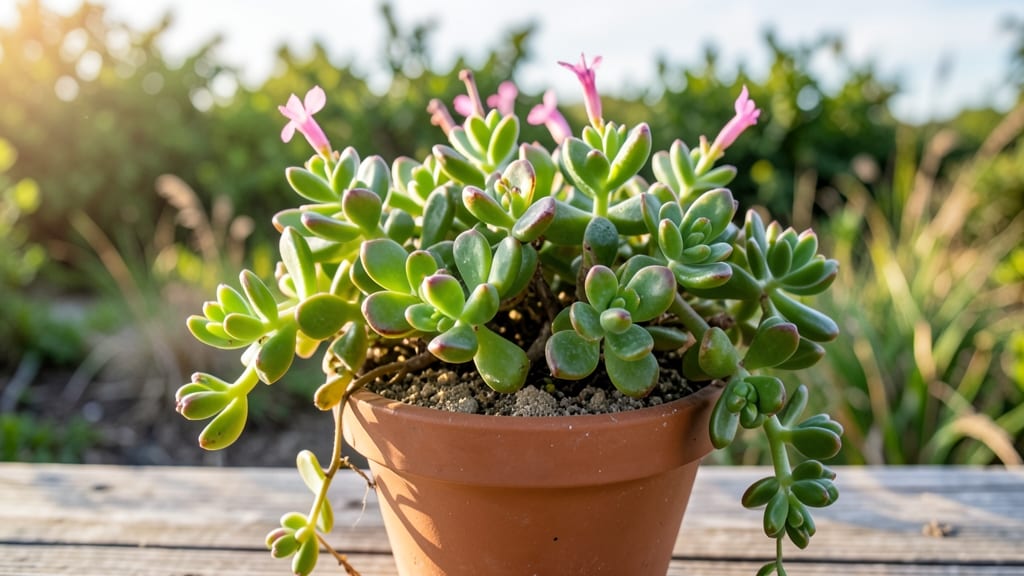
Elephant bush thrives in Arizona’s brutal sun, turning water-guzzling yards into lush, low-maintenance oases. ✨ I’ve watched mine grow from a single cutting into a 6-foot-tall hedge that survives 110°F summers with barely a sip of water—no exaggeration.
The secret isn’t just drought tolerance; it’s how you prune it to stay compact and productive in desert heat.
This succulent isn’t picky about soil—just well-draining sand or gravel mix works perfectly. The real magic happens when you prune after blooms (spring) to encourage bushier growth, and again in late summer to shape it for winter.
My Arizona-grown plants stay green year-round, even when other shrubs brown out. The key is cutting back hard but never into old wood—new growth comes back faster than you’d expect.
You’ll end up with a plant that’s nearly indestructible: no pests, no diseases, and zero fuss. The thick, velvety leaves add texture to desert landscapes, while the tiny pink flowers attract pollinators without demanding extra water.
Even in containers, it thrives—just make sure the pot has drainage holes to prevent root rot.
Perfect for rock gardens, borders, or even as a living fence. Once established, it’s truly hands-off—just a quick trim once or twice a year. Here’s how to keep yours looking its best in Arizona’s extreme climate.
📚 In This Guide
- What you need
- Instructions
- Tips and common mistakes
- Wrapping up and next steps
What you need
- ● Pruning shears or bypass pruners: Sharp, clean pair (avoid dull blades to prevent tearing). Quantity: 1
- ● Gloves: Heavy-duty, cut-resistant (cactus/desert plants can have thorns!). Quantity: 1 pair
- ● Disinfectant (70% isopropyl alcohol or bleach solution): To sterilize tools between cuts. Quantity: Small spray bottle or wipe
- ● Trash bag or bucket: For clippings (Arizona’s desert critters aren’t fans of Elephant Bush snacks!). Quantity: 1-2
- ○ Watering can or hose with nozzle: For post-pruning hydration (optional but recommended for stressed plants). Quantity: 1
- ● Loppers: For thicker branches (if your Elephant Bush has outgrown shears). Quantity: 1
- ● Pruning saw: For stubborn, woody stems (rare for young plants). Quantity: 1
- ● Plant food (balanced fertilizer, 10-10-10): To give your bush a post-prune boost. Quantity: Small bag
- ● Mulch (gravel or desert-safe mulch): To retain moisture and suppress weeds. Quantity: As needed
- ● Sunscreen & hat: Because Arizona sun + pruning = a recipe for a sunburned gardener! Quantity: 1 each
How to prune elephant bush for desert landscapes
Here's my tested method for keeping your elephant bush lush while conserving water in Arizona's dry climate.
✂️ Step 1: Time Your Pruning for Peak Growth
Prune your elephant bush in early spring just as new growth begins—typically February to March in Arizona. This timing ensures you remove dead wood while encouraging fresh, vigorous shoots before summer heat sets in. Avoid pruning in fall or winter when the plant is dormant; you'll only stress it unnecessarily.
Look for woody stems that have lost their leaves or appear dry and brittle. These are your targets. Healthy stems should have a slight green tint and feel firm to the touch. If you see any pink or purple flowers starting to form, hold off on heavy pruning—those blooms signal the plant is ready to grow.
✂️ Step 2: Use the Right Tools and Technique
Grab your clean, sharp pruning shears—dull tools crush stems and invite disease. Sterilize them with rubbing alcohol before and after use to prevent spreading any pathogens. Elephant bush responds best to selective pruning, so don’t go overboard. Focus on removing dead, damaged, or crossing branches first.
Make cuts just above a leaf node at a 45-degree angle to encourage water runoff away from the cut. Avoid leaving stubs—this prevents rot and gives the plant a cleaner look. For thicker stems, use loppers to avoid tearing the bark. If you’re pruning for shape, step back occasionally to check your progress—you want to maintain the bush’s natural, rounded form.
💧 Step 3: Water Deeply After Pruning
Elephant bush is drought-tolerant, but pruning is stressful, so water deeply right after cutting—1-2 gallons per plant—to help it recover. Water slowly at the base to encourage deep root growth rather than shallow, frequent watering. The soil should be moist 6 inches down but not soggy. Overwatering now will drown the roots and undo all your hard work.
For the next 2-3 weeks, monitor the soil. Stick your finger in—if the top 2 inches feel dry, give it another drink. Avoid wetting the leaves, as this can lead to fungal issues. Mulch around the base with 2-3 inches of organic mulch (like shredded bark) to retain moisture and keep roots cool during Arizona’s scorching summers.
☀️ Step 4: Monitor for New Growth and Adjust
Within 3-4 weeks, you should see new pink or purple shoots emerging from the pruned areas. This is your sign that the plant is thriving. If growth is sparse or the bush looks leggy, it might need more sunlight—elephant bush loves full sun (6+ hours daily). If your plant is in partial shade, consider moving it or pruning back nearby trees to improve light exposure.
If you notice yellowing leaves or drooping stems, you’re likely overwatering. Elephant bush prefers dry conditions—let the soil dry out completely between waterings once established. On the other hand, if leaves appear dull or crispy, it’s thirsty. Adjust your watering schedule based on the season: less in summer, slightly more in spring/fall.
⏰ Step 5: Plan for Long-Term Maintenance
After the initial prune, light maintenance pruning once or twice a year keeps your elephant bush looking its best. In late summer (August), trim back any overly leggy growth to encourage bushier habits before winter. Avoid heavy pruning in fall—this can stimulate new growth that won’t harden off before cold snaps.
Every 2-3 years, consider a rejuvenation prune—cut back one-third of the oldest stems to the ground. This encourages fresh, vibrant growth and prevents the bush from becoming too woody. Just remember: patience is key. Elephant bush grows slowly, so don’t rush it. With the right care, it’ll reward you with years of drought-resistant beauty and those signature pink blooms.
Tips & tricks for perfect elephant bush pruning
These simple strategies will help you keep your desert landscape thriving while saving water and effort.
Timing is Everything: The February-March window is non-negotiable for Arizona's climate. This period gives your elephant bush time to recover before summer's intense heat. I've seen plants stressed when pruned too late—wait until you spot those first pink flower buds, then hold off for another week. That's your plant telling you it's ready to grow.
Tool Technique: Sterilizing your pruning shears with rubbing alcohol isn't just about hygiene—it prevents spreading fungal diseases that can devastate your plant. I keep a small bottle of 70% isopropyl alcohol in my gardening toolkit specifically for this purpose. For thicker branches, use loppers but make sure they're sharp enough to cut cleanly without crushing the stems.
Watering Wisdom: After pruning, that 1-2 gallons per plant is crucial for recovery. I've learned the hard way that shallow watering leads to weak roots. Use a soil probe to check moisture 6 inches down—this ensures you're encouraging deep root growth rather than surface roots that dry out quickly in our desert climate. The 2-3 inch mulch layer helps maintain this moisture without inviting pests.
Seasonal Adjustments: Elephant bush's water needs change dramatically with Arizona's seasons. In summer, let the soil dry completely between waterings—this mimics natural desert conditions. During spring and fall, you can water slightly more, but never let the soil stay soggy. I've noticed plants in partial shade often need less water, so monitor their growth closely after pruning.
Pro Tips for Elephant Bush Arizona
- These simple strategies will help you keep your desert landscape thriving while saving water and effort.
- Timing is Everything: The February-March window is non-negotiable for Arizona's climate.
- Tool Technique: Sterilizing your pruning shears with rubbing alcohol isn't just about hygiene—it prevents spreading fungal diseases that can devastate your plant.
Frequently asked questions
Got questions about pruning Elephant Bush in Arizona’s desert? You’re not alone!
Here are the most common concerns—and expert answers—to keep your plant thriving in the arid climate.
When is the best time to prune my Elephant Bush in Arizona?
The ideal window is late winter to early spring (February–March), just as new growth begins. Avoid pruning in summer’s extreme heat (100°F+), which stresses the plant. Pro tip: If you must prune in summer, do it early morning to reduce water loss.
How much can I trim back without harming the plant?
You can safely prune up to ⅓ of the plant’s height per year. Over-pruning weakens the woody stems, so avoid drastic cuts. Focus on shaping by trimming leggy branches or dead wood. Elephant Bush is resilient but benefits from gradual adjustments.
Do I need to water after pruning?
Yes! Water deeply 2–3 days before pruning and again immediately after to help the plant recover. However, once established, Elephant Bush thrives on drought conditions. Reduce watering to every 2–3 weeks unless temperatures exceed 110°F.
Why are my leaves turning yellow or dropping after pruning?
Yellowing or leaf drop is usually normal stress from pruning, especially if done in heat. If severe, check for overwatering (root rot risk!) or pests like spider mites. Ensure good airflow and avoid fertilizing right after pruning.
Can I use the pruned branches for propagation?
Elephant Bush roots easily from cuttings. Take 4–6 inch tips, let them dry for 1–2 hours, then plant in well-draining soil. Keep lightly moist (not soggy) until roots form in 4–6 weeks. Perfect for expanding your desert garden!
Wrapping up and next steps
Pruning your elephant bush in Arizona isn’t just about keeping it tidy—it’s a powerful way to boost resilience, encourage vibrant blooms, and conserve water in the desert’s harsh climate. 🌵 With the right tools, timing, and techniques, you’ll transform your landscape into a thriving, low-maintenance oasis.
Ready to roll up your sleeves? Start with one bush this season—you’ll be amazed at the difference a little care makes!
Next steps:
- 📅 Mark your calendar for late winter or early spring—the perfect time to prune.
- 🛠️ Gather your supplies (shears, gloves, and a sharp mind for detail!).
- 🌿 Watch your elephant bush flourish and share your success with fellow desert gardeners!