
Vegetables
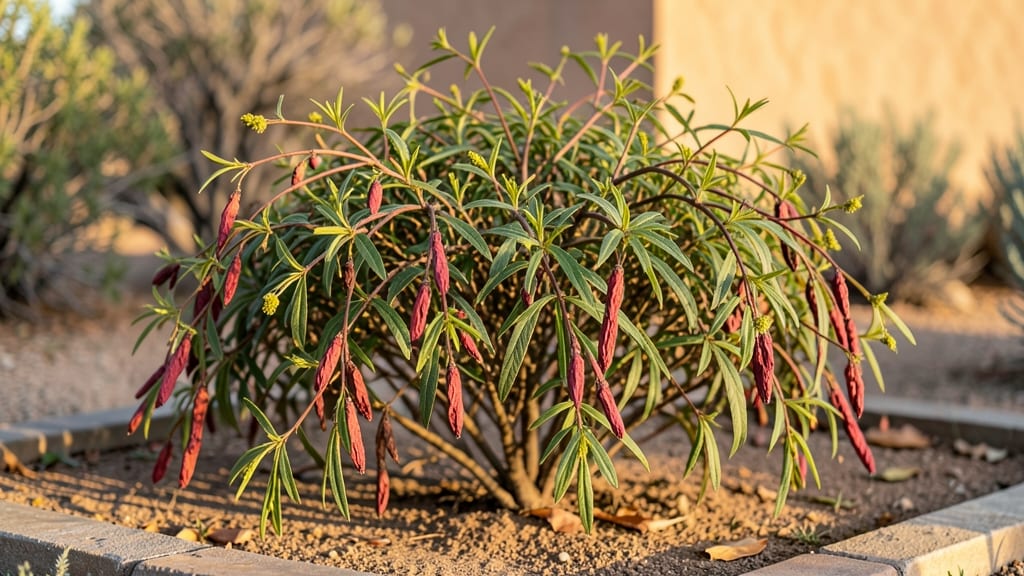
Growing green hopseed bush in Arizona’s brutal sun turns your yard into a drought-proof green machine. ✨ This shrub thrives where most plants wilt—100°F+ heat becomes its happy place once established.
My first one survived a 110°F summer with zero fuss, and now it’s the backbone of my low-water landscape. The secret lies in its adaptability: well-draining soil, minimal water once rooted, and full sun exposure.
Unlike finicky desert plants, hopseed bush handles poor soil, alkaline conditions, and even urban pollution. Plant it in spring or fall when temps dip below 90°F, and watch it spread into a 6-10 foot shrub with silvery foliage and striking red seed pods.
By year two, you’ll have a fire-resistant hedge that needs watering once every 2-3 weeks—ideal for Arizona’s water restrictions. The fragrant flowers attract pollinators, and the seed pods add winter interest. Prune lightly after blooming to maintain shape, but don’t overdo it—this shrub rewards patience with zero-maintenance resilience.
Perfect for borders, erosion control, or as a living screen in Phoenix, Tucson, or Flagstaff. Here’s how to get it growing strong in your desert yard.
📚 In This Guide
- What you need
- Instructions
- Tips and common mistakes
- Wrapping up and next steps
What you need
- ● Seeds or nursery-grown plants: 1–3 (start with 1–2 for testing, expand if successful). Opt for Dodonaea viscosa varieties suited for arid climates.
- ● Well-draining soil: 5–10 gallons of a mix of: 60% native Arizona soil (or cactus/succulent blend)
- ● 30% coarse sand or perlite (for aeration)
- ● 10% compost (organic matter for nutrients)
- ● Container or planting site: For containers: 1–2 large pots (10–15 gallons each) with drainage holes.
- ● For in-ground: A sunny, south-facing spot with at least 6 feet of space between plants.
- ● Watering can or hose with a gentle nozzle: 1 (avoid overhead watering to prevent fungal issues).
- ● Organic mulch: 2–3 inches of gravel, decomposed granite, or straw (to retain moisture and regulate soil temp).
- ● Garden trowel or shovel (for transplanting).
- ● Pruning shears (sterilized, for shaping or harvesting).
- ● pH test kit (to check soil acidity—ideal range: 6.0–7.5).
- ○ Fertilizer (low-nitrogen, 5-10-10 ratio, optional for established plants).
- ● Shade cloth (30–50%, for young seedlings if temps exceed 105°F).
How to establish a thriving green hopseed bush in Arizona’s extreme heat
This hardy shrub loves the desert—here’s how to get it growing strong with minimal fuss.
🌱 Step 1: Select the Perfect Planting Spot
Green hopseed bush (Dodonaea viscosa) thrives in full sun but needs protection from harsh afternoon winds. In Arizona’s 100°F+ conditions, choose a location with 6+ hours of direct sunlight but some afternoon shade from a nearby wall or larger shrub. The soil should drain quickly—this plant despises soggy roots.
I always test drainage first by digging a 6-inch deep hole and filling it with water. If it drains within 30 minutes, the spot’s ready. Avoid low areas where heat reflects off pavement, as this can cook the roots. A slight slope helps water run off naturally.
🪴 Step 2: Prepare the Soil for Desert Conditions
Amend native Arizona soil with 1 part compost to 3 parts native soil to improve structure without smothering roots. This shrub tolerates poor soil but grows best with sandy loam that mimics its natural habitat. Avoid heavy clay—it bakes hard in heat and suffocates roots.
Work the compost into the top 12 inches of soil, breaking up any compacted layers. A light sprinkle of granular sulfur (if your soil pH tests above 7.0) helps—green hopseed prefers slightly acidic to neutral conditions. Test soil moisture by grabbing a handful; it should crumble when dry but not feel powdery.
☀️ Step 3: Plant and Water Deeply for Root Establishment
Dig a hole twice as wide as the root ball but no deeper—planting too low traps moisture and invites rot. Gently loosen the roots if they’re circling and place the shrub so the top of the root ball sits level with the surrounding soil. Backfill with native soil, tamping lightly to remove air pockets.
Water deeply—1 gallon per planting hole—to encourage roots to spread downward. Let the soil settle for 24 hours before watering again. Overwatering now will drown the roots before they adapt. Mulch with 2 inches of gravel or coarse bark to retain moisture while preventing soil compaction.
⏰ Step 4: Establish a Watering Routine for Drought Survival
After the first month, water once every 2-3 weeks—only when the soil feels bone-dry 3 inches below the surface. Stick a screwdriver into the soil; if it slides in easily, it’s time to water. Deep watering 1-2 times per month in summer trains roots to seek moisture underground.
This shrub’s drought tolerance kicks in after 6-8 weeks of establishment. Once mature, it needs almost no supplemental water—just enough to keep leaves from wilting in 110°F+ heat waves. Fertilizer? Skip it entirely—green hopseed bush thrives on neglect.
✂️ Step 5: Prune Strategically for Shape and Health
Prune only in late winter (February) to remove dead or crossing branches. Use clean, sharp shears to make cuts just above a leaf node. Avoid heavy pruning—this shrub responds poorly to aggressive trimming. Shape lightly to encourage dense growth, but never remove more than 25% of the foliage in one session.
Watch for leaf drop in extreme heat—this is normal. If branches turn brown and brittle, prune them back to healthy green growth. The shrub’s silvery-green foliage is its signature; if it loses color, it’s either thirsty or getting too much shade. Adjust placement if needed.
Tips & tricks for perfect green hopseed bush establishment in Arizona
These practical strategies will help you navigate the quirks of desert gardening and ensure your green hopseed bush thrives against the odds.
Drainage Test Precision: That 30-minute drainage test in Step 1 is non-negotiable for Arizona's baking soil. I've seen too many new gardeners skip this and end up with root rot within weeks. For extra insurance, dig your test hole in the exact spot you plan to plant—soil composition can vary dramatically even in small areas. If water pools at the bottom after 30 minutes, you're looking at a minimum 6-inch raised bed solution.
Soil Amendments for Desert Conditions: When mixing that 1 part compost to 3 parts native soil in Step 2, don't be tempted to use more compost thinking it's "better." The native soil's mineral composition is crucial for this drought-resistant shrub. For clay-heavy soil, add coarse sand (like masonry sand) to improve drainage without altering the soil's natural chemistry. And that granular sulfur? Only use it if your soil pH tests above 7.0—over-acidifying can stress the plant.
Watering Strategy for Extreme Heat: The 1-gallon deep watering in Step 3 should be done slowly to prevent runoff. I use a soaker hose for this step to ensure water penetrates deeply without evaporating. After that initial watering, resist the urge to check the soil daily—wait for those 6-8 weeks of establishment before adjusting your watering routine. This tough shrub actually benefits from the stress of limited water during its early growth phase.
Pruning with Purpose: When pruning in late winter (Step 5), look for those silvery-green leaves that are the plant's signature. If you see leaves turning yellow or brown, don't automatically assume it's time to prune—this could be the plant's natural response to winter dormancy. Only cut back branches that are completely dead or crossing. The 25% foliage limit is strict—this shrub's dense growth comes from its natural shape, not aggressive pruning.
Pro Tips for Green Hopseed Bush Arizona
- These practical strategies will help you navigate the quirks of desert gardening and ensure your green hopseed bush thrives against the odds.
- Drainage Test Precision: That 30-minute drainage test in Step 1 is non-negotiable for Arizona's baking soil.
- Soil Amendments for Desert Conditions: When mixing that 1 part compost to 3 parts native soil in Step 2, don't be tempted to use more compost thinking it's "better."
Frequently asked questions
Can the green hopseed bush survive Arizona’s extreme summer heat (100°F+)?
The Dodonaea viscosa (green hopseed bush) is naturally heat-tolerant and thrives in Arizona’s climate once established. Its silvery foliage reflects sunlight, reducing water loss. Key tip: Water deeply but infrequently (every 2–3 weeks) once roots are established (after 6–12 months). Mulch with gravel or crushed rock to retain moisture and reflect heat away from roots. Pro tip: Avoid overhead watering to prevent fungal issues.
How long does it take for a green hopseed bush to mature in Arizona?
Expect 2–3 years for full maturity, but growth varies by conditions. In Arizona’s heat, young plants may grow 1–2 feet per year initially, then accelerate to 3–5 feet annually once established. Fast-track growth: Plant in spring (March–April) for warmer soil, and fertilize lightly with low-nitrogen, phosphorus-rich fertilizer (e.g., 5-10-10) in early spring. Watch for: Slower growth in first-year plants—patience pays off!
What’s the best alternative if I can’t find green hopseed bush locally?
If nurseries are out of stock, try these drought-resistant Arizona-friendly shrubs with similar benefits:
- Texas Sage (Leucophyllum frutescens): Purple blooms, heat-loving, and pollinator-friendly.
- Desert Willow (Chilopsis linearis): Fast-growing, fragrant flowers, and tolerates poor soil.
- White Poppy Mallow (Callirhoe involucrata): Low-water, edible flowers, and silvery foliage.
Where to look: Check local native plant sales, Facebook Marketplace, or online seed banks like Seed Savers Exchange. Bonus: Many of these attract hummingbirds—double the ecosystem win!
Why are my green hopseed bush leaves turning yellow or dropping?
Yellowing or dropping leaves usually signal one of three issues:
- Overwatering: Arizona’s heat + soggy soil = root rot. Fix: Let soil dry completely between waterings.
- Underwatering: Wilting or crispy edges mean thirsty roots. Fix: Water deeply once a week for the first year.
- Nutrient deficiency: Pale yellow leaves = nitrogen lack. Fix: Apply compost or balanced fertilizer in spring.
Check for pests: Spider mites (common in heat) cause stippling. Spray with neem oil if needed.
Is green hopseed bush edible, and how do I harvest it?
Yes! While not a primary food source, young leaves and seed pods are edible and used in traditional medicine. Harvest tips:
- Pick tender new growth for salads (mild, slightly bitter taste).
- Collect seed pods when dry (fall/winter) for tea or oil extraction.
- Avoid over-harvesting: Prune 1/3 of the plant annually to encourage regrowth.
Caution: Some varieties contain saponins—cook or process to reduce bitterness. Never consume large quantities.
Wrapping up and next steps
The green hopseed bush is a true desert hero—drought-resistant, low-maintenance, and packed with potential for Arizona’s scorching summers! 🌵 Whether you’re growing it for its edible seeds, wildlife benefits, or just to add a touch of green to your landscape, this hardy shrub proves that thriving in extreme heat is totally doable.
With the right care, you’ll enjoy its beauty and bounty for years to come.
Ready to take the next step? Start small—plant a few shrubs in your yard or even in containers—and watch how they transform your space. Share your progress with fellow gardeners or explore creative ways to use the seeds in recipes. Happy planting! 🌱✨