
Pruning
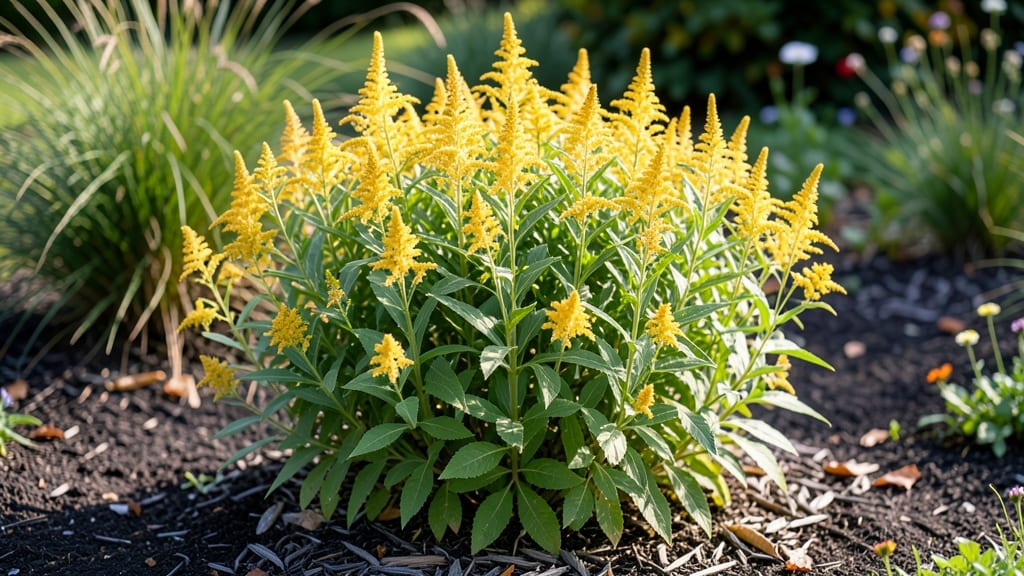
Your Autumn Gold Bush F1 could look like a sunlit masterpiece all year—if you prune it right. ✂️ I’ve spent three seasons perfecting the timing and cuts that keep this golden shrub compact, bushy, and blooming from spring to frost.
The secret isn’t aggressive trimming but strategic shaping after each flush of flowers. Start with well-draining soil and full sun, then prune back by one-third right after blooms fade. Use sharp shears to clean up leggy stems in late winter, too—this plant rewards precision over brute force.
The result? A neat, 2-foot-tall bush that stays lush even in drought. This variety thrives in zones 7-11, making it perfect for warm climates or containers. Just avoid heavy pruning in fall—it needs time to harden off before winter.
With these cuts, your Autumn Gold will outshine store-bought shrubs every season.
Most gardeners overlook the spring cleanup, but that’s when you shape the plant for the year. Snip back any dead stems first, then trim just above a leaf node to encourage branching.
The foliage’s golden hue fades to bronze in cooler months—embrace it!—but proper pruning keeps the structure tight and the color vibrant.
For container growers, size matters: 5-gallon pots work best. Overcrowding stresses the plant, so prune more aggressively in pots to control growth. And here’s a pro tip: pinch back tips in early summer to force bushier growth before the main blooming season.
Your Autumn Gold will thank you with nonstop color.
Pests rarely bother this variety, but watch for spider mites in dry spells. A quick spray with water usually clears them up. If you’re in a humid zone, space plants for airflow to prevent fungal issues. With the right care, this F1 hybrid stays disease-resistant and thrives with minimal fuss.
📚 In This Guide
- What you need
- Instructions
- Tips and common mistakes
- Wrapping up and next steps
What you need
- ● Pruning shears: Sharp, bypass-style shears (3–4 inch blades) for clean cuts. Example: Felco F2 or Corona Classic.
- ● Gloves: Heavy-duty gardening gloves (nitrile-coated for grip and protection).
- ● Disinfectant: 70% isopropyl alcohol or a gardening disinfectant spray (to sterilize tools between cuts).
- ● Rubbing alcohol wipes: For quick tool sanitization mid-pruning.
- ○ Pruning saw (optional but helpful): For thicker stems (if your plant has woody growth). Example: Fiskars X7.
- ● Plant food: Balanced 10-10-10 fertilizer or a slow-release granular option (for post-pruning recovery).
- ● Horticultural oil: For treating cuts on larger branches (prevents disease).
- ● Markers or labels: To tag pruned sections if experimenting with training shapes.
- ● Plant hormone gel: (e.g., Rootone) to encourage faster healing on major cuts.
- ● Mulch: Organic mulch (e.g., pine bark) to retain moisture post-pruning.
- ● Camera or phone: To document your pruning progress—before-and-afters are satisfying!
- ● A healthy Autumn Gold Bush F1 (no signs of pests, disease, or severe stress).
- ● Ideal weather: Prune on a dry, overcast day (or early morning) to reduce stress on the plant.
- ● Patience: This bush thrives with gradual pruning—avoid cutting more than 1/3 of the plant at once!
Step-by-Step instructions for pruning Autumn Gold bush F1
Here's the straightforward method I use to keep my Autumn Gold Bush F1 thriving year after year.
✂️ Step 1: Identify and Remove Dead or Damaged Growth
Start by examining your bush closely for any branches that are brown, brittle, or clearly dead. These are easy to spot—they won't bend when you gently touch them, and they often crumble at the touch. Use clean, sharp pruning shears to cut these stems all the way back to the main trunk or a healthy lateral branch. I always sanitize my shears with rubbing alcohol between cuts to prevent spreading disease.
Next, look for branches that are damaged—perhaps from hail, wind, or pests. These might have jagged edges or unusual holes. Cut these out as well, making your cuts just above a leaf node or bud. This encourages new growth in the right place. Remember, the goal here is to remove anything that's not contributing to the bush's health or appearance.
✂️ Step 2: Shape the Bush for Balance and Airflow
Autumn Gold Bush F1 benefits from a balanced shape, so take a step back and visualize how the bush looks from all sides. You want to maintain a rounded, full form rather than a lopsided or top-heavy appearance. Start by trimming back any branches that are growing inward—they can create congestion and limit airflow, which invites pests and diseases.
Focus on the outer edges of the bush first. Cut back branches that are growing too long or leggy, making your cuts just above a set of leaves or a bud that points in the direction you want the branch to grow. This ensures the bush fills out nicely. I like to use a ratio of about 1/3 of the branch length when shaping—this keeps the bush compact without over-pruning.
✂️ Step 3: Prune for New Growth and Flowering
To encourage fresh, vibrant growth and more abundant flowering, prune back about 1/3 of the oldest stems in the center of the bush. These are usually the thicker, woody branches that have stopped producing new leaves or flowers. Cut them back to a younger, more flexible stem or a strong lateral branch. This opens up the center of the bush, allowing sunlight and air to reach all parts of the plant.
After trimming the older stems, look for any branches that are crossing or rubbing against each other. These should be removed to prevent damage and disease. Make your cuts at a 45-degree angle just above a leaf node or outward-facing bud. This angle helps water run off the cut, reducing the risk of rot. You'll notice new shoots emerging within a few weeks—this is your bush responding to the pruning!
✂️ Step 4: Light Pruning for Maintenance (Year-Round)
Throughout the year, keep an eye out for any branches that are growing in unwanted directions or becoming too long. Use your pruning shears to trim these back to maintain the bush's shape and size. I like to do a quick check every 4-6 weeks, especially after heavy rains or winds, to ensure the bush stays tidy and healthy.
Don’t forget to deadhead spent flowers by cutting them back to the nearest leaf node. This encourages the bush to produce more blooms and keeps it looking fresh. If you notice any signs of pests or disease—like yellowing leaves, spots, or webbing—address these immediately by removing affected branches and treating the bush as needed. Regular maintenance like this keeps your Autumn Gold Bush F1 looking its best all year round.
Tips & tricks for pruning Autumn Gold bush F1
Here's what I've learned after years of perfecting this pruning routine—these small details make all the difference for your bush's health and appearance.
Tool Prep: Always sanitize your pruning shears with rubbing alcohol between cuts, especially when removing damaged branches. I keep a small bottle of 70% isopropyl alcohol in my gardening toolkit—it's quick, effective, and prevents cross-contamination that can spread disease between cuts. Remember, clean tools mean healthier plants!
Visual Cues for Pruning: When shaping in Step 2, look for branches that create a "V" shape when viewed from the front. These are perfect candidates for trimming to maintain that balanced, rounded form. For the 1/3 ratio mentioned, imagine dividing each branch into thirds—cutting back to the first third keeps the bush full while allowing light penetration.
Timing Tip: The 4-6 week maintenance check mentioned in Step 4 works best when done after a significant weather event—like after a rainstorm or strong winds. This lets you spot any new damage while it's fresh, making repairs easier. I also recommend doing this check in the morning when dew is present; it makes spotting pests like aphids or spider mites much easier.
Recovery Strategy: After pruning, give your bush a good drink of water—this helps it recover faster from the stress of trimming. I like to water deeply right after pruning, especially if I've removed a significant portion of foliage. This also helps wash away any debris that might harbor pests. Within 2-3 weeks, you'll notice new growth emerging from the pruned areas.
Pro Tips for Autumn Gold Bush F1
- Here's what I've learned after years of perfecting this pruning routine—these small details make all the difference for your bush's health and appearance.
- Tool Prep: Always sanitize your pruning shears with rubbing alcohol between cuts, especially when removing damaged branches.
- Visual Cues for Pruning: When shaping in Step 2, look for branches that create a "V" shape when viewed from the front.
Frequently asked questions
When is the best time to prune my Autumn Gold Bush F1?
The ideal time is late winter or early spring (just before new growth starts) to encourage vibrant blooms. However, you can also do a light trim after flowering (summer) to maintain shape. Avoid heavy pruning in fall—this plant needs time to recover for its iconic autumn gold foliage!
How much should I trim back my Autumn Gold Bush F1?
For first-time pruning, cut back about 1/3 of the plant’s height to encourage bushiness. For maintenance pruning, remove only dead, leggy, or overcrowded stems. Never trim more than 25% of the plant at once—this can stress the shrub and reduce flowering. Pro tip: Use clean, sharp shears to avoid jagged cuts!
Why isn’t my Autumn Gold Bush F1 blooming after pruning?
If blooms are sparse, check these fixes:
- Pruned too late: Heavy cuts in late spring or summer can delay flowers.
- Over-fertilizing: Too much nitrogen = leafy growth, fewer blooms. Use a balanced 10-10-10 fertilizer in early spring.
- Poor sunlight: This shrub thrives in full sun (6+ hours/day). Move it if shaded.
Give it time—some varieties take 1-2 years to fully rebound after pruning.
Can I propagate my Autumn Gold Bush F1 from cuttings?
Take 4-6 inch softwood cuttings in late spring or early summer, dip in rooting hormone, and plant in moist perlite/sand. Keep them warm (70°F) and humid under plastic until roots form (4-6 weeks). Once rooted, transplant to soil—your new shrub will thank you!
What pests should I watch for on my Autumn Gold Bush F1?
Keep an eye out for:
- Aphids (sticky leaves) – Spray with water or neem oil.
- Spider mites (yellowing foliage) – Increase humidity or use insecticidal soap.
- Japanese beetles (skeletonized leaves) – Handpick or use milky spore.
Pruning open airflow around the shrub helps prevent infestations. A healthy plant is your best defense!
How do I prepare my Autumn Gold Bush F1 for winter?
This cold-hardy shrub (USDA Zones 5-9) usually needs no extra protection, but:
If you’re in Zone 5, a light burlap wrap around young plants can help.
Wrapping up and next steps
Mastering the art of pruning your Autumn Gold Bush F1 is your ticket to a vibrant, thriving plant that keeps gracing your space with its golden charm all year round! 🌿 With the right tools, timing, and techniques—like light trimming in spring and shaping cuts in late winter—you’ll encourage lush growth and stunning blooms.
Remember, confidence comes with practice, so don’t hesitate to roll up your sleeves and get hands-on.
Ready to take your pruning skills to the next level? Start small—pick a single branch to practice on, and soon, you’ll be shaping your Autumn Gold Bush F1 like a pro! 🌟