
Pruning
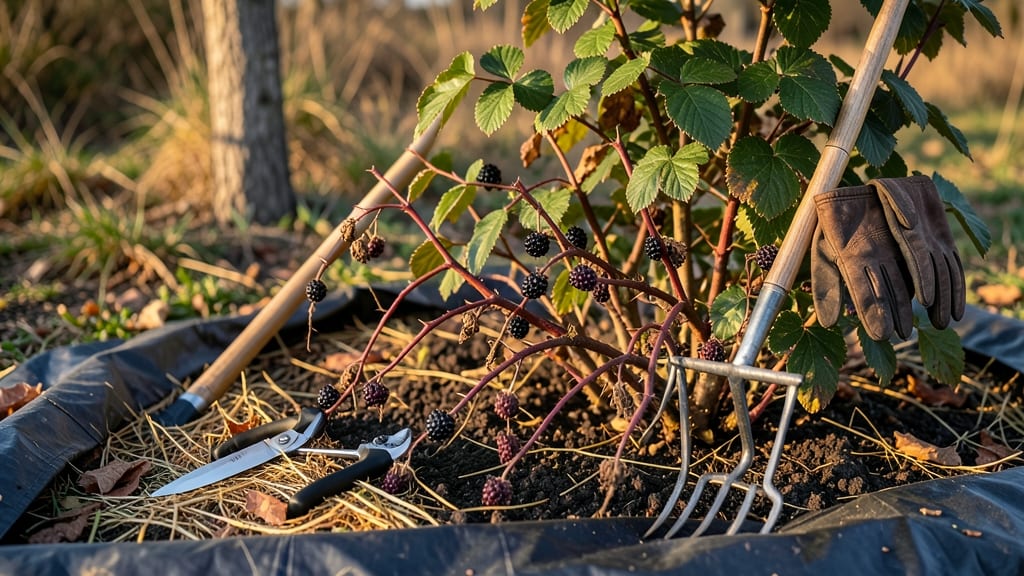
You should cut back blackberry bushes in the fall based on their variety: everbearing types need light trimming to remove dead canes, while summer-bearing types require thorough pruning after harvest. Waiting until late winter can harm the plants through frost damage or pest infestations.
Fall pruning is all about preparing blackberry bushes for winter dormancy while protecting their growth potential. Everbearing varieties benefit from minimal cuts—just removing dead or diseased canes to prevent disease spread.
Summer-bearing types, however, need aggressive pruning after harvest to encourage strong new canes for next year's fruit. Timing matters: pruning too late in winter exposes the plant to cold snaps, while early fall cuts can stimulate unwanted growth before frost sets in. 🔥
For summer-bearing bushes, aim to cut canes back to the ground after harvest, leaving only the strongest 10-15 canes per plant. Everbearing varieties should have their oldest canes removed while keeping younger ones.
Always use clean, sharp pruners to make clean cuts at a 45-degree angle just above a bud. After pruning, apply a balanced fertilizer and mulch to protect roots from temperature swings.
💡 In This Article
- Blackberry Pruning Basics: Fall vs Winter Timing
- Step-by-Step Fall Pruning Guide for Blackberry Bushes
Blackberry pruning basics: fall vs winter timing
Blackberries have two distinct growth cycles that dictate pruning needs. Summer-bearing varieties produce fruit on second-year canes, which means they need aggressive pruning in fall to remove all old canes after harvest. This forces the plant to focus energy on producing new canes for next year's crop.
Everbearing types, however, fruit on both first- and second-year canes, so they only require light pruning to remove dead or weak canes in fall. The key difference lies in their growth patterns: summer-bearing bushes rely on complete renewal each year, while everbearing varieties maintain a more balanced cane age distribution.
Cold hardiness plays a major role in timing decisions. Blackberry canes can tolerate temperatures down to -15°F once fully dormant, but new growth is far more vulnerable. Pruning too late in fall (after mid-October in most climates) risks stimulating new growth that won't harden off before winter.
This tender growth is particularly susceptible to frost damage and winter dieback. The ideal window is 4-6 weeks after harvest for summer-bearing types, when canes have finished fruiting but before hard frosts arrive.
For everbearing varieties, light pruning can extend into early winter as long as you avoid cutting back healthy canes.
What most gardeners overlook is how late-winter pruning creates vulnerabilities. When you prune dormant bushes in late winter, you expose fresh cuts to pests like cane borers and diseases such as anthracnose. The plant's natural protective layer of bark is compromised, making it easier for pathogens to enter.
Additionally, pruning too late removes the plant's ability to photosynthesize and build energy reserves before spring growth begins. This energy is crucial for producing strong new canes and fruit. The fall pruning window gives plants time to heal cuts and establish protective callus tissue before winter sets in.
Consider these key factors when choosing your timing:
- Climate zone: In USDA zones 6-7, aim for pruning by mid-October; in warmer zones (8+), you have until November
- Variety type: Summer-bearing needs aggressive cuts; everbearing only requires dead cane removal
- Weather forecast: Avoid pruning if hard frost (28°F) is predicted within 2 weeks
The science behind this timing involves understanding blackberry dormancy cycles. During fall, plants enter endodormancy—a deep rest period where growth stops at the cellular level. Pruning during this period minimizes stress because the plant isn't actively growing.
Winter pruning, however, occurs during ecodormancy when the plant is still physiologically active but can't grow due to cold temperatures. This creates a perfect storm of stress and vulnerability. The plant's natural defenses are weakened, making it more susceptible to environmental damage.
For everbearing varieties, the goal is to maintain a mix of cane ages. Remove canes that are 3+ years old as they become less productive, but keep some younger canes to ensure continuous fruiting.
Summer-bearing types should have all old canes cut to the ground, leaving only the 10-15 strongest new canes per plant. This dramatic reduction might seem harsh, but it's essential for preventing overcrowding and disease spread. The resulting new growth will be more vigorous and productive. 💫