
Pests and Diseases
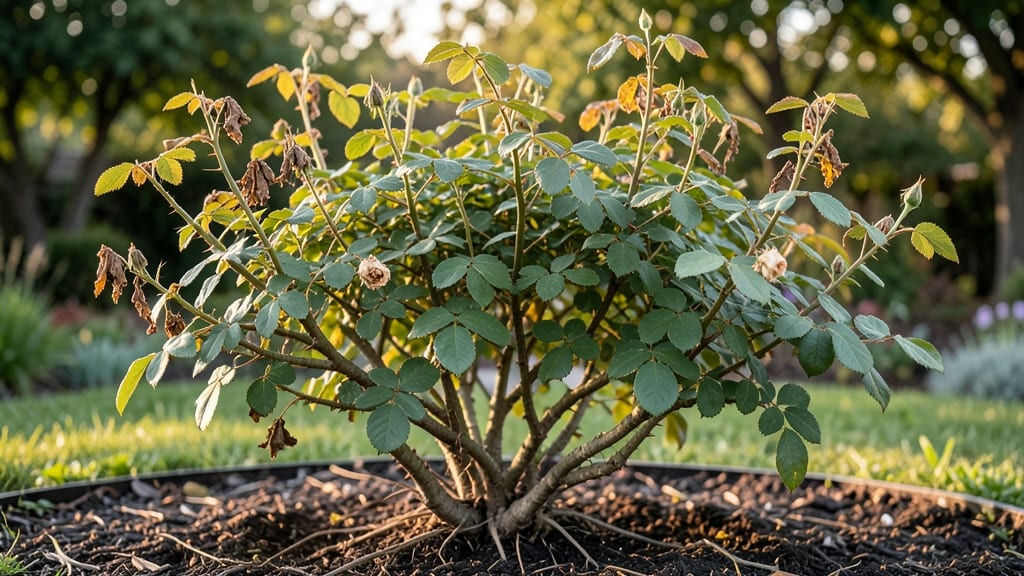
Your rose bush losing leaves isn't a death sentence—it's a call for action. 🌿 Most gardeners panic when they see bare stems, but the real skill is diagnosing why it's happening before jumping to treatments.
I've saved more than a few struggling roses by following this simple 3-step approach, and you can too. Start by examining the leaves (and stems) closely: are they yellowing, blackening, curling, or covered in sticky residue?
Each symptom points to a different culprit—whether it's fungal disease, pest infestation, or something as simple as overwatering. The key is catching it early, when fixes are quick and effective.
Within 24 hours of proper diagnosis, you'll know exactly what to do: prune infected growth, adjust watering, or apply targeted treatment. My own roses went from skeletal to lush in just 3 weeks after I fixed the real problem (spider mites, not "not enough water" as I first guessed).
This method works for hybrid teas, floribundas, and even old garden roses. Let's get your bush back to its full glory—without guesswork or wasted treatments.
Root Causes of Leaf Drop
Understanding why your rose bush is shedding leaves starts with identifying the underlying stressor. Roses are resilient, but when their needs aren’t met—or when pests and diseases strike—they respond by dropping foliage as a survival mechanism.
Below, we break down the most common culprits, backed by science, so you can pinpoint the issue and take action.
---
Roses thrive in well-drained soil, and when their roots sit in soggy conditions, they suffocate. Root rot, caused by fungi like Phytophthora, thrives in waterlogged soil, cutting off the plant’s nutrient and water supply.
Signs include: - Yellowing leaves (chlorosis) that eventually brown and drop. - A foul, mushy smell at the base of the bush. - Stunted growth or wilting despite moist soil.
Why it happens: Overwatering disrupts the root zone’s oxygen levels, forcing the plant to shed leaves to conserve energy. Even heavy clay soil can trap excess moisture, mimicking overwatering.
---
While too much water harms roses, insufficient moisture triggers leaf drop as the plant conserves water. Roses need 1–2 inches of water per week, but during heatwaves or droughts, they may wilt and shed leaves to reduce transpiration (water loss through leaves).
Why it happens: - Drought stress causes cells to collapse, leading to crispy, brown edges on leaves before they fall. - Heat scorch (brown patches on leaf edges) occurs when temperatures exceed 90°F (32°C) without adequate hydration. - Shallow root systems (common in young roses) make them vulnerable to rapid moisture loss.
---
Roses are heavy feeders, and a lack of key nutrients—especially nitrogen, iron, or magnesium—can cause leaf drop. Here’s how deficiencies manifest:
| Nutrient Deficiency | Leaf Symptoms | Why It Happens | |-------------------------|--------------------------------------------|------------------------------------------------------------------------------------| | Nitrogen (N) | Pale yellow leaves (older first) | Nitrogen fuels leaf growth; without it, leaves turn yellow and drop prematurely. | | Iron (Fe) | Yellow leaves with green veins (chlorosis)| Iron is vital for chlorophyll; poor soil pH (too alkaline) locks it out of roots. | | Magnesium (Mg) | Yellow patches between leaf veins | Magnesium is mobile in plants—when deficient, older leaves show interveinal chlorosis. | | Potassium (K) | Brown leaf edges or tips | Potassium regulates water and disease resistance; deficiency weakens cell structure. |
Why it happens: Compacted soil, improper pH (ideal: 6.0–6.5), or lack of organic matter (like compost) starves roots of essential nutrients. Over-fertilizing with synthetic nitrogen can also burn roots, leading to leaf loss.
---
Insects and mites sap leaves of nutrients, causing them to yellow, curl, or drop. Common culprits include:
- Aphids (tiny green/black insects): Cluster on new growth, exuding sticky honeydew that attracts sooty mold. - Spider mites (reddish dots on undersides): Spin webs and cause stippling (tiny yellow dots) before leaves turn brown. - Japanese beetles: Skewer leaves, leaving lace-like damage and accelerating defoliation. - Rose slugs/sawfly larvae: Chew leaves into skeletons, causing rapid leaf drop.
Why it happens: Pests thrive in dry, hot conditions or when roses are already stressed (e.g., from drought or poor soil). Their feeding disrupts the plant’s photosynthesis, forcing it to shed damaged leaves.
--- Pathogens like **black spot (Diplocarpon rosae), powdery mildew (Podosphaera pannosa), or bacterial leaf spot (Xanthomonas campestris) attack roses, causing: - Black spot: Dark spots with yellow halos that spread rapidly in humid weather. - Powdery mildew: White, powdery patches on leaves (common in shaded, high-humidity areas). - Bacterial leaf spot: Water-soaked spots that turn brown and drop leaves.
Why it happens: - Fungal spores spread via wind, water, or tools, germinating in warm (60–80°F/15–27°C), moist conditions. - Bacteria enter through wounds (e.g., from pruning or hail) or splash up from infected soil. - Poor airflow (overcrowded bushes) or wet foliage (from overhead watering) create ideal breeding grounds.
--- Roses are sensitive to sudden changes in their environment.
Common triggers include: - Temperature swings: Cold snaps or late frosts can shock the plant, causing leaves to blacken and drop. - Windburn: Strong winds desiccate leaves, leading to brown, crispy edges. - Transplant shock: Moving roses disrupts root systems, and they may shed leaves for 2–4 weeks while adjusting. - Air pollution or salt buildup: Urban roses near roads or those near sidewalks (where salt is used in winter) may develop chlorosis or leaf scorch.
Why it happens: Stress hormones like ethylene** are released in response to trauma, accelerating leaf abscission (the natural process of shedding leaves).
Quick Fixes for Dying Rose
If your rose bush is shedding leaves faster than you can say "pruning shears," don’t panic—there’s a solution for every cause. Below, we’ve mapped the most common reasons for leaf loss to simple, actionable fixes (plus prevention tips to keep your roses lush year-round).
Roll up your sleeves—it’s time to revive that beauty!
---
Signs: Yellowing leaves, mushy stems, or a foul smell around the soil.
How to Fix It: 🔥 Step 1: Pause Watering Immediately - Let the top 2–3 inches of soil dry out completely before watering again. Stick your finger in—if it’s damp, wait.
🍳 Step 2: Improve Drainage - Mix compost or perlite into the soil (1 part amendment to 3 parts soil) to loosen it up. If your rose is in a pot, switch to one with drainage holes.
👨🍳 Step 3: Adjust Your Watering Routine - Water deeply but infrequently—aim for 1–1.5 inches per week (including rain). Early morning is best to prevent fungal growth.
🥘 Step 4: Prune Damaged Roots (If Needed) - Gently dig around the base and trim any black, mushy roots with sterilized pruners. Replant with fresh, well-draining soil.
💡 Prevention Tip: - Test your soil with a moisture meter or the finger test before watering. Roses hate soggy feet!
---
Signs: Crispy, brown edges on leaves, wilting despite moist soil.
How to Fix It: 🔥 Step 1: Water at the Base - Drip water slowly at the soil line (not the leaves) for 10–15 minutes. Mulch with 2–3 inches of organic mulch (like shredded bark) to retain moisture.
🍳 Step 2: Provide Afternoon Shade - If temps hit 90°F+, use a shade cloth (30–50%) or move potted roses to a cooler spot for a few hours.
👨🍳 Step 3: Boost Humidity (For Potted Roses) - Place the pot on a tray of pebbles and water (ensure the pot isn’t sitting in water). Mist leaves early in the day to avoid fungal issues.
🥘 Step 4: Fertilize for Recovery - Feed with a balanced liquid fertilizer (10-10-10) diluted to half-strength. Look for products with potassium to help with heat tolerance.
🌡️ Prevention Tip: - Water deeply before a heatwave—roses need more water in summer than you think. Aim for 2–3 times per week in extreme heat.
---
Signs: Holes in leaves, sticky residue (aphids), white webbing (spider mites), or chewed edges (Japanese beetles).
How to Fix It (By Culprit):
| Pest | Fix It Fast | Prevent Future Infestations | |-------------------|--------------------------------------------------------------------------------|----------------------------------------------------------| | Aphids | Spray with soapy water (1 tsp mild soap + 1 quart water) or neem oil. | Introduce ladybugs or plant marigolds nearby. | | Spider Mites | Blast off with a strong hose spray, then treat with neem oil weekly. | Keep roses well-watered (mites love dry conditions). | | Japanese Beetles | Handpick into soapy water or use milky spore (organic bacteria). | Set up beer traps (bury a cup filled with beer). | | Rose Slugs/Sawflies | Remove eggs (tiny yellow balls on undersides of leaves) and spray with Bt (Bacillus thuringiensis). | Prune early in the day to avoid attracting adults. |
✨ Pro Tip: - Inspect leaves daily during peak pest season (spring–summer). Catching infestations early = less damage.
---
Signs: Black spots (black spot), powdery white coating (powdery mildew), or yellow/orange spots (rust).
How to Fix It: 🔥 Step 1: Remove Infected Leaves - Snip off all diseased foliage (don’t compost—bag and trash it!) and sterilize pruners with rubbing alcohol.
🍳 Step 2: Apply Fungicide - Spray with copper fungicide or baking soda mix (1 tsp baking soda + 1 quart water + a drop of soap). Reapply every 7–10 days.
👨🍳 Step 3: Improve Airflow - Prune to open up the center of the bush. Space roses 3–4 feet apart to reduce humidity buildup.
🥘 Step 4: Water Wisely - Water at the base (avoid wetting leaves) and water early in the day so foliage dries quickly.
🎯 Prevention Tip: - Space plants properly and avoid overhead watering. A fan on low near roses can also prevent mildew!
---
Signs: Yellow leaves between veins (iron/chlorosis), purple stems (phosphorus), or weak, pale new growth (nitrogen).
How to Fix It: 🔥 Step 1: Test Your Soil - Grab a DIY soil test kit (or send a sample to a local extension office). Roses thrive in slightly acidic soil (6.0–6.5 pH).
🍳 Step 2: Amend the Soil - Iron deficiency? Sprinkle chelated iron or Epsom salt (1 tbsp per gallon of water) around the base. - Nitrogen boost? Use fish emulsion or compost tea. - Low phosphorus? Apply bone meal in early spring.
👨🍳 Step 3: Fertilize Seasonally - Spring: High-nitrogen (for foliage). - Summer: Balanced (10-10-10) for blooms. - Fall: Low-nitrogen, high-phosphorus (for root growth).
📊 Pro Tip: - Over-fertilizing causes leaf burn! Always follow package instructions and water thoroughly after applying.
--- If your rose is severely stressed (e.g., from disease or pests), a hard prune can stimulate new growth: 1. Cut back 1/3 of the plant to healthy buds (look for outward-facing buds). 2. Sterilize tools between cuts to prevent spreading disease. 3. Thin out crowded stems to improve airflow.
⏰ Timing Matters: - Spring pruning (after last frost) encourages blooms. - Late summer/fall pruning helps harden off new growth for winter.
--- Final Thought: Most leaf loss is fixable—but the key is acting fast. Check your roses weekly, adjust care based on the season, and soon, you’ll be back to admiring lush, vibrant blooms instead of bare stems. 🌹✨
(Need a deeper dive? Check out our [Rose Care Calendar](#) for month-by-month tips!)
Frequently asked questions
Why are my rose bush leaves turning yellow before falling off?
Yellowing leaves before dropping often signal nutrient deficiencies or overwatering. Check for pale yellow leaves (nitrogen deficiency) or yellow patches between veins (iron/magnesium deficiency). If soil feels soggy, root rot may be the issue—pause watering and improve drainage immediately.
Can I save my rose bush if it's completely bare?
Yes! Even fully defoliated roses can recover if the roots are healthy. Prune back 1/3 of the plant to healthy buds, improve soil drainage, and fertilize with a balanced mix (10-10-10). New growth should appear within 2-4 weeks if pests/diseases aren't the root cause.
How do I tell if my rose bush has black spot vs. spider mites?
Black spot shows as dark spots with yellow halos on leaves, while spider mites create tiny yellow stipples and fine webbing on leaf undersides. Check both sides of leaves—mites leave a dusty appearance, while black spot spreads rapidly in humid conditions.
Is it normal for roses to lose leaves in fall?
Some leaf drop is natural in fall as roses prepare for winter, but excessive shedding may indicate stress. Healthy roses should retain 50% of leaves through winter. If you see blackened or curled leaves, pests or disease might still be active—treat before dormancy.
How often should I fertilize a stressed rose bush?
For recovery, use a balanced fertilizer (10-10-10) every 4-6 weeks during growing season (spring-fall). Avoid high-nitrogen fertilizers—they can burn roots. Always water thoroughly after applying to prevent leaf burn.