
Pests and Diseases
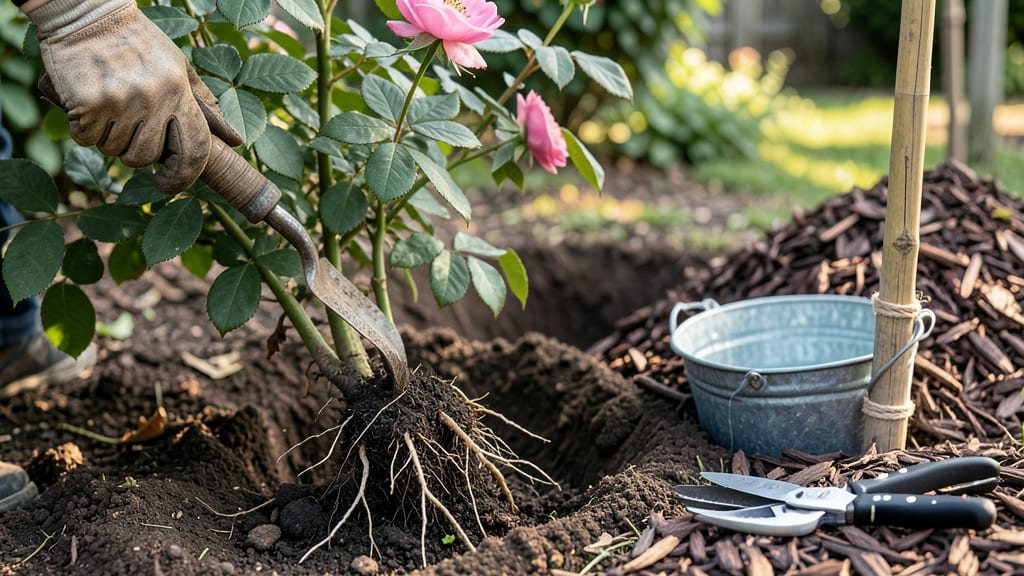
Yes, you can dig up a rose bush and replant it successfully by choosing the right season, pruning properly, and minimizing root disturbance. Timing and careful handling are critical to ensure survival and healthy regrowth.
Transplanting roses works best when you time it with their natural dormancy periods—early spring before new growth begins or late fall after leaves drop. 🌱 The key is reducing stress on the plant by keeping the root ball intact and watering thoroughly before and after moving.
I’ve found that container-grown roses adapt more easily than field-grown ones, as their roots stay more compact and less damaged during extraction.
For field-grown roses, dig a trench around the bush about 12-18 inches from the center to loosen the soil gradually. Use a sharp spade to slice through roots at the trench’s edge, then lift the bush while supporting the root ball with both hands.
Prune back one-third of the foliage immediately after transplanting to redirect energy toward root recovery instead of leaf production.
💡 In This Article
- Best Season and Conditions for Transplanting Rose Bushes
- Step-by-Step Guide to Safely Moving a Rose Bush
Best season and conditions for transplanting rose bushes
Roses thrive when transplanted during their natural dormancy periods, which minimizes stress and maximizes root recovery. Early spring, just as buds begin to swell but before new growth bursts, is ideal because cooler temperatures slow water loss and reduce shock.
Alternatively, late fall after leaves drop works well, as the plant conserves energy for root establishment before winter dormancy. Soil temperatures between 50-60°F are perfect—too warm accelerates moisture loss, while cold soil impedes root growth.
The right conditions involve more than just timing—soil moisture and sunlight exposure matter too. Before digging, ensure the soil is moist but not soggy; dry soil clings to roots, making transplanting difficult. 🌿 Container-grown roses adapt faster because their roots stay compact, but field-grown bushes require extra care.
Choose an overcast day to reduce transpiration (water loss through leaves), and avoid transplanting during heatwaves or frost, as extreme temperatures stress the plant. Even mature roses can take 6-8 weeks to fully establish new roots in ideal conditions.
Environmental factors like wind and humidity also play a role. Wind desiccates leaves, so transplant in a sheltered spot or use temporary shade cloth for the first 2-3 weeks. Humid conditions help roots absorb moisture quickly, but avoid waterlogged soil—roots need oxygen to grow.
Test your soil’s drainage by digging a hole: if water pools after 30 minutes, amend with compost or sand to improve aeration. The goal is to mimic the rose’s original growing conditions as closely as possible.
What most gardeners overlook is the role of microbial activity in the soil. Beneficial fungi and bacteria in the root zone aid nutrient absorption, so transplanting disrupts this ecosystem.
To help, mix mycorrhizal fungi into the planting hole—these symbiotic organisms form networks that boost root development. 🌱 Research shows roses transplanted with mycorrhizal inoculants recover 20-30% faster than those without. This is especially critical for roses in poor soil, where microbes help compensate for nutrient deficiencies.
Seasonal variations also affect different rose types. Hybrid teas and floribundas, which have shallow root systems, handle transplanting better than climbers or shrub roses with deep taproots. For climbers, dig a wider trench to preserve lateral roots, while shrub roses may need staking to support their structure during recovery.
Always prune canes back by one-third after transplanting to balance above-ground growth with root regeneration.