
Plants
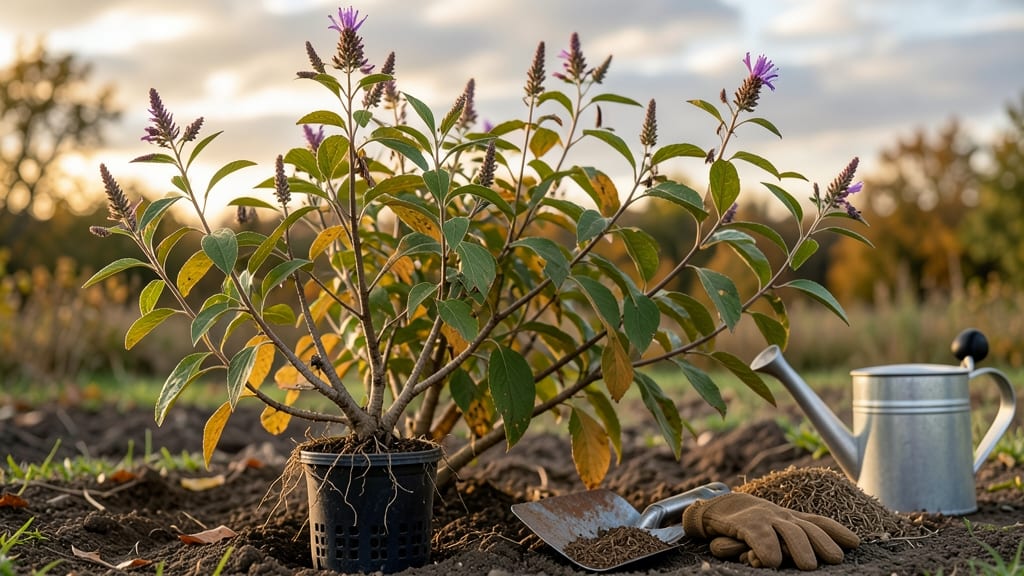
You can plant butterfly bushes in the fall, ideally between late summer and early fall, as this timing allows roots to establish before winter dormancy while avoiding summer heat stress or early frost risks.
Fall planting gives butterfly bushes a head start by leveraging cooler temperatures, which reduce transplant shock and encourage strong root development. 🌱 The key is to plant at least 6-8 weeks before the first frost—this window typically falls between mid-August and October in most climates.
I’ve found that adding a 2-3 inch layer of mulch after planting helps retain soil moisture and insulate roots through winter, while also suppressing weeds that compete for nutrients.
For best results, choose disease-resistant varieties like 'Mystic Spires' or 'Purple Haze,' which handle fall transitions better. The soil should be well-draining but moist—amending with compost improves nutrient availability for early root growth.
Water deeply after planting, then maintain 1 inch of water weekly unless rainfall provides adequate moisture. This approach ensures your butterfly bushes emerge strong in spring, ready to attract pollinators with vibrant blooms.
💡 In This Article
- Why Fall Planting Works for Butterfly Bushes
- Step-by-Step Fall Butterfly Bush Planting Guide
Why fall planting works for butterfly bushes
Fall planting gives butterfly bushes a biological advantage by aligning with their natural growth cycle. These hardy shrubs enter a semi-dormant state in winter, but cooler fall temperatures—typically between 50-65°F—stimulate root development without the stress of summer heat.
The roots grow more slowly but deeply, creating a stronger foundation before winter's chill sets in. This process, called "root hardening," helps the plant survive freezing temperatures better than spring plantings, which often face early-season drought or heat stress.
The science behind this involves reduced transplant shock. When planted in fall, butterfly bushes experience less water loss through transpiration (the process where plants release water vapor) because cooler air holds less moisture.
Additionally, the soil stays warmer longer in fall, promoting microbial activity that breaks down organic matter—like compost—into nutrients the plant can absorb. For example, studies show that fall-planted shrubs like butterfly bushes can establish 30-50% more root biomass by spring compared to spring plantings, thanks to these ideal conditions.
Another critical factor is soil moisture retention. Fall rains often provide natural irrigation, reducing the need for manual watering while the roots establish.
The ground also stays cooler, preventing the soil from drying out too quickly. 🌧️ This moisture consistency is vital because butterfly bushes are native to North America's temperate zones, where they evolved to thrive in seasonal climates with distinct wet and dry periods.
Planting in fall mimics these natural conditions, giving the shrub a smoother transition into dormancy.
Timing is everything—planting too early in fall risks exposing young roots to early frosts, while planting too late leaves insufficient time for root growth. The optimal window is 6-8 weeks before the first frost, which usually falls between mid-August and October in most U.S. regions.
For instance, in Zone 5, this might mean planting by early October, while in Zone 8, you could extend planting until November. This timing ensures the plant has enough time to establish roots but avoids the shock of winter freezing before it’s ready.
One often overlooked benefit is reduced competition from weeds. Fall-planted butterfly bushes get a head start on growth before weeds like crabgrass or chickweed become aggressive in spring.
The mulch you add after planting—typically 2-3 inches of shredded bark or wood chips—not only insulates the roots but also suppresses weed growth by blocking sunlight. This dual benefit means less maintenance for you and a stronger start for your shrub.
Consider the variety you choose, as some butterfly bushes handle fall transitions better than others. For example, 'Mystic Spires' is known for its cold hardiness and compact growth, making it ideal for fall planting in cooler climates.
Meanwhile, 'Purple Haze' thrives in warmer fall regions and produces vibrant blooms earlier in spring. Matching the variety to your climate ensures the shrub’s natural resilience aligns with your planting timing.