
Planting
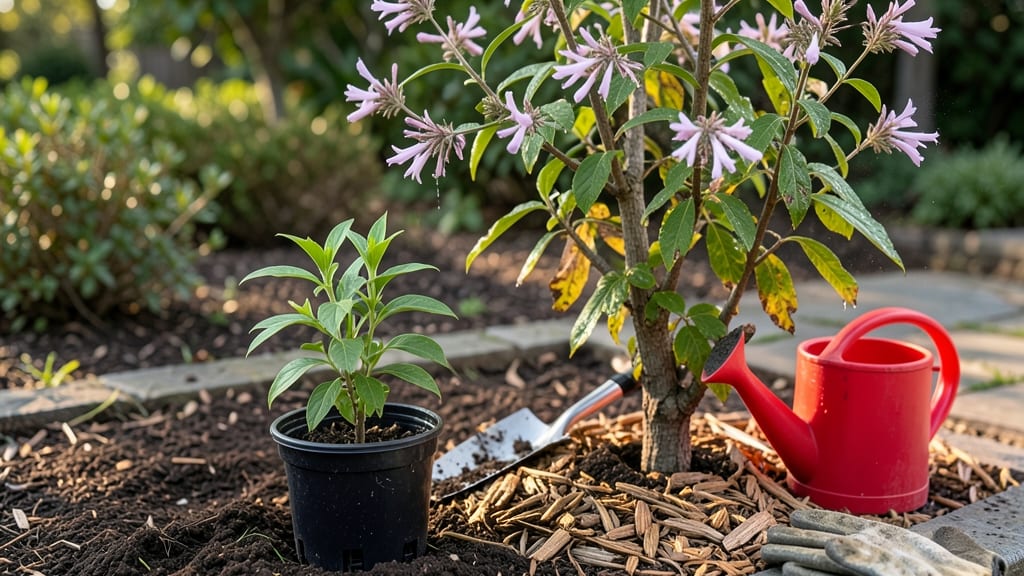
Your butterfly bush transplant shock isn’t a death sentence—it’s a temporary setback with a proven fix. 🌿 I’ve nursed back more struggling bushes than I care to admit, and the secret lies in understanding exactly what’s happening underground (and how to help it).
The wilting, leaf drop, or stunted growth you’re seeing happens when roots struggle to adapt to new soil and weather. Most gardeners overwater or under-prune during recovery, making things worse. The good news?
With the right care, your bush can bounce back in just 2-4 weeks—sometimes even faster if you catch it early. Start with deep but infrequent watering (1-2 inches per week) to encourage root growth, then prune back any dead or stressed branches.
A light layer of mulch keeps moisture steady while protecting roots from temperature swings. Within weeks, you’ll see fresh green growth signaling the shock has passed. This works for both container-grown and field transplants, and the same principles apply whether you’re moving in spring or fall.
Let’s get that bush thriving again—no stress required.
Root Stress Behind The Struggle
Transplant shock in butterfly bushes (Buddleja davidii) isn’t just a vague "oops, my plant looks sad" moment—it’s a physiological crisis triggered by abrupt disruptions to their delicate root systems.
When you uproot a butterfly bush, you’re essentially asking its roots to recover from a combination of trauma, dehydration, and metabolic chaos. Let’s break down the three core culprits causing this stress, so you can tackle them head-on.
When you yank a butterfly bush from the ground, its roots—especially the fine feeder roots—get torn, crushed, or severed. These roots are the plant’s lifeline, responsible for water and nutrient absorption. Here’s why it’s a big deal:
- Reduced Surface Area: Feeder roots have tiny hair-like extensions that maximize absorption. Damage here means less real estate to soak up moisture and minerals. - Exposed Root Zones: Once roots are exposed to air, they desiccate (dry out) within minutes, especially in wind or sun.
This is why root ball preservation is critical. - Callus Formation Delay: Roots need time to seal wounds (via callus tissue) before they can regrow. If damaged roots dry out or rot before this happens, the plant starves.
Actionable Fix: Use a shovel or spade to dig deeply (at least 12–18 inches wide) to minimize root tearing. Gently loosen the soil around the edges before lifting—think of it like freeing a stuck car tire, not prying it out with brute force.
Butterfly bushes are thirsty survivors, but their leaves don’t know that when you transplant them. Here’s the science of the water crisis:
- Transpiration Overload: Leaves keep evaporating water (via stomata) as if nothing happened, but the roots can’t keep up. This creates a hydraulic imbalance, causing wilting or leaf scorch. - Root Zone Disruption: The soil’s moisture gradient shifts.
Before transplanting, roots relied on capillary action in the native soil.
After moving, the new soil may not match the old moisture levels, leading to shock. - Osmotic Shock: If the new soil has higher salinity (e.g., from fertilizers or poor-quality amendments), roots struggle to absorb water, worsening dehydration.
Actionable Fix:
- Water deeply 1–2 days before transplanting to hydrate the root zone.
- Mulch heavily (2–3 inches of organic mulch) right after planting to retain moisture and reduce temperature stress.
- Avoid overhead watering post-transplant—use drip irrigation or soaker hoses to deliver water directly to the roots.
Plants aren’t just physical—they’re chemical ecosystems. Transplanting disrupts two key systems:
- Hormonal Chaos: - Abscisic Acid (ABA) spikes: This stress hormone closes stomata (pores) to conserve water, but it also slows growth and can trigger leaf drop. - Auxin disruption: This growth hormone, which regulates root development, gets thrown off when roots are disturbed.
Without it, new root growth stalls. - Microbial Mayhem: - Mycorrhizal fungi (beneficial root partners) get damaged or displaced.
These fungi boost nutrient uptake by up to 80%—lose them, and your bush struggles to recover. - Soil-borne pathogens (like Phytophthora) may exploit stressed roots, leading to rot or disease.
Actionable Fix:
- Add mycorrhizal inoculant to the planting hole to re-establish the root-microbe relationship.
- Use a mild seaweed extract or compost tea post-transplant to stimulate hormonal balance and stress resilience.
- Avoid synthetic fertilizers immediately after transplanting—they can burn damaged roots and worsen shock.
Pro Tip 💡: Timing matters! Transplant butterfly bushes in early spring or early fall when temperatures are mild (50–75°F). Avoid peak summer heat or winter frosts, as extreme temps amplify all three stressors above.
Revive Your Butterfly Bush Now
Transplant shock can feel like a death sentence for your butterfly bush, but with the right care, you can nurse it back to health—even if it’s already showing signs of stress. The key is acting fast, diagnosing the root cause, and applying targeted fixes.
Below, we’ll break down the most common issues and practical, step-by-step solutions to get your plant thriving again. Plus, we’ll share prevention tips to avoid future shock when transplanting.
Cause: Root damage or dehydration during transplanting. Solution:
- 💧 Hydrate Immediately – Water deeply right after transplanting to rehydrate roots. Use a soaker hose or watering can to saturate the soil without disturbing the roots further.
- 🌡️ Provide Shade – Move the bush to a dappled shade spot (e.g., under a tree or patio umbrella) for 1–2 weeks to reduce stress from direct sunlight.
- 🍃 Trim Damaged Foliage – Snip off any yellowing or crispy leaves with clean pruners to redirect energy to root recovery.
- 🌿 Mulch Like a Pro – Apply 2–3 inches of organic mulch (like shredded bark or straw) around the base to retain moisture and regulate soil temperature.
💡 Prevention Tip: Water the bush thoroughly the day before transplanting to minimize root desiccation.
Cause: Nutrient deficiency, overwatering, or poor drainage. Solution:
- 📊 Test Your Soil – Use a DIY soil test kit (or send a sample to a local extension office) to check pH and nutrient levels. Butterfly bushes thrive in slightly acidic to neutral soil (pH 6.0–7.0).
- 💊 Fertilize Gently – If soil is lacking, apply a balanced, slow-release fertilizer (like 10-10-10) 4–6 weeks after transplanting. Avoid high-nitrogen fertilizers—they stress recovering roots.
- ⚡ Improve Drainage – If water pools around the base, amend the soil with compost or perlite to prevent root rot.
- 🚰 Adjust Watering – Let the top 1–2 inches of soil dry out between waterings. Overwatering suffocates roots!
🔥 Pro Tip: If leaves are yellow with green veins, it’s likely an iron deficiency—sprinkle iron sulfate or use a chelated iron supplement.
Cause: Shock from root disturbance or improper pruning. Solution:
- ✂️ Prune Strategically – Trim back 1/3 of the bush (especially dead or weak stems) to stimulate new growth. Use sterilized pruners to avoid disease.
- ☀️ Gradually Increase Sun – After 2 weeks in shade, slowly reintroduce sunlight (3–4 hours/day) to harden the plant.
- 🌿 Boost Root Health – Mix mycorrhizal fungi (available at garden centers) into the soil to enhance root absorption.
- 🌸 Wait for Recovery – Butterfly bushes may skip a bloom cycle after transplanting. Be patient—healthy roots = future flowers!
🎯 Prevention Tip: Transplant on a cool, cloudy day to reduce stress. Avoid moving bushes in peak summer heat.
Cause: Weakened immunity from transplant shock. Solution:
- 🐜 Inspect for Pests – Check for aphids, spider mites, or scale insects (common after stress). Blast them off with a strong spray of water or use neem oil.
- 🍄 Treat Fungal Issues – If leaves develop black spots or powdery mildew, apply copper fungicide or baking soda spray (1 tsp baking soda + 1 quart water + a drop of dish soap).
- 🌿 Improve Airflow – Space bushes 3–5 feet apart to prevent humidity-related diseases.
- 🌱 Strengthen Immunity – Feed with compost tea (rich in beneficial microbes) to boost natural defenses.
✨ Prevention Tip: Disinfect tools with rubbing alcohol before and after pruning to prevent spreading pathogens.
Once your butterfly bush recovers, keep it happy with:
- 💧 Consistent (but not soggy) watering – Deep water 1–2 times per week (adjust for climate).
- 🌿 Annual mulching – Refresh mulch in early spring to protect roots.
- 🌸 Prune in late winter – This encourages vigorous new growth and more blooms.
- 🌱 Monitor for stress signs – Catching issues early (like wilting or yellowing) means faster fixes.
Remember: Transplant shock is temporary—with the right care, your butterfly bush will bounce back stronger than ever! 🌿💚
Frequently asked questions
How long does it take for a butterfly bush to recover from transplant shock?
Most butterfly bushes show signs of recovery within 2-4 weeks with proper care. Mild shock may resolve in just 10-14 days if you provide consistent moisture, shade, and avoid fertilizing. Severe cases might take up to 6-8 weeks, especially if roots were heavily damaged or if transplanting occurred during extreme temperatures.
Can I transplant my butterfly bush during summer heat?
Transplanting in summer is risky but possible if you take precautions. The best approach is to move your bush early in the morning or late afternoon to avoid peak sun, and provide full shade for 2-3 weeks afterward. Water deeply every 2-3 days and mulch heavily to protect roots from heat stress.
Why are my butterfly bush leaves turning yellow after transplanting?
Yellow leaves usually indicate root stress or nutrient imbalance. Check if the soil is too wet (root rot) or too dry (dehydration). If leaves have green veins, it's likely an iron deficiency—apply chelated iron. For general shock, trim affected leaves to redirect energy to root recovery while keeping the plant in partial shade.
Should I fertilize my butterfly bush right after transplanting?
No, wait 4-6 weeks before fertilizing. Freshly transplanted bushes need time to establish new roots, and fertilizer can burn damaged roots. Instead, use compost tea or a balanced slow-release fertilizer (like 10-10-10) once you see new growth. Organic mulch provides gentle nutrients while protecting roots.
Will my butterfly bush bloom this year after transplant shock?
Probably not—expect a skip year for blooms. Butterfly bushes prioritize root recovery over flowering when stressed. Focus on healthy foliage growth first. With proper care, your bush will rebound with even more vigorous blooms next season, often producing 20-30% more flowers than before transplanting.