
Plants
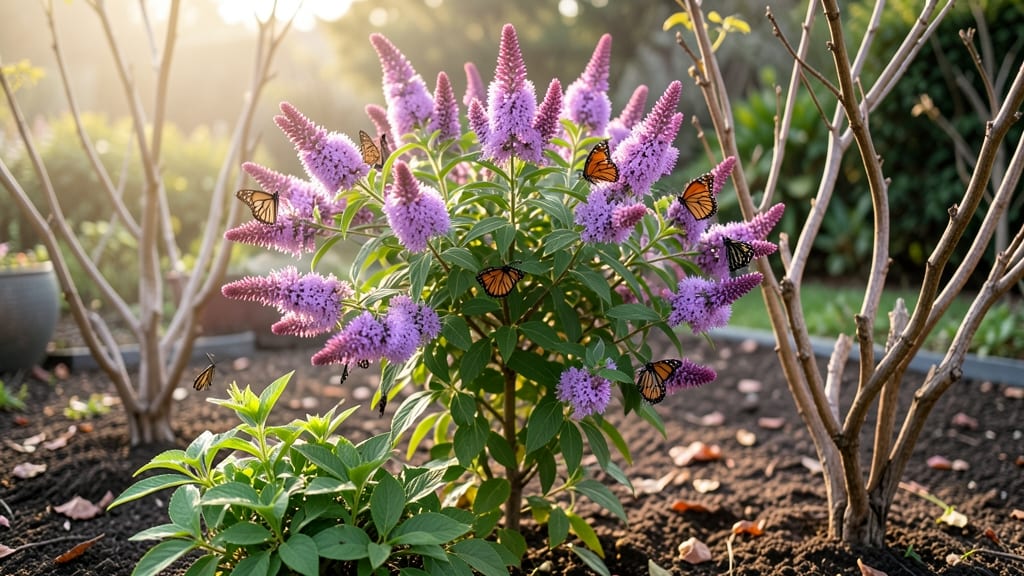
Butterfly bushes do come back every year in USDA Zones 5-9, though they may die back to the ground in winter and regrow from their root system. Proper pruning and winter protection are key to maintaining their health and vibrant blooms annually.
These hardy shrubs thrive as perennials because their root crowns remain dormant during cold months, storing energy for spring regrowth. 🌿 In colder regions like Zone 5, they might lose all foliage but bounce back stronger with the right care.
I’ve seen them recover spectacularly after harsh winters, especially when protected with mulch and pruned at the right time.
What sets butterfly bushes apart is their resilience—many gardeners assume they’re annuals because they go dormant, but their deep root systems ensure they return year after year.
The secret to keeping them healthy lies in late-winter pruning (just before new growth) and adding a thick layer of mulch to insulate roots during freezing temperatures.
💡 In This Article
- Butterfly Bush Perennial Growth Cycle Explained
- Year-Round Butterfly Bush Care for Longevity
Butterfly bush perennial growth cycle explained
The butterfly bush's ability to return annually hinges on its root crown—the thick, woody base where stems meet soil. Unlike annuals that die completely, this shrub stores energy in its roots during dormancy, allowing it to push new growth when temperatures rise in spring.
In USDA Zones 5-9, where winter lows can drop to -20°F, the root crown remains protected beneath the soil's insulating layer, preventing complete freeze damage.
Here's how the cycle works: After blooming in summer, the plant enters dormancy as temperatures fall below 40°F. By late winter, the above-ground stems may appear dead, but the root system stays alive, maintaining moisture and nutrient reserves.
When soil temperatures reach 50°F in spring, the root crown activates, sending out new shoots within 2-4 weeks. This process is similar to how peonies or daylilies regenerate annually from their underground structures.
The plant's cold hardiness varies by cultivar—some varieties like 'Mystic Spires' handle Zone 5 winters with minimal protection, while others may need winter wraps in colder microclimates.
The key difference between annual and perennial behavior lies in the root system's depth: butterfly bushes develop roots 12-18 inches deep, accessing moisture and stability that surface plants can't match. This deep anchoring is what allows them to survive freeze-thaw cycles that would kill shallower-rooted plants.
What most gardeners overlook is how soil moisture during dormancy affects regrowth. Even in winter, roots continue slow metabolic activity, and dry soil can stress the system.
In my Zone 6 garden, I've noticed that mulching with 4-6 inches of shredded bark maintains soil moisture while insulating roots—this simple step can mean the difference between a vigorous spring recovery and a slow, weak regrowth.
The mulch acts like a thermal blanket, preventing rapid temperature fluctuations that can damage the root crown.
Another fascinating aspect is how butterfly bushes prioritize energy storage during their first growing season. Young plants focus on developing a robust root system rather than flowering heavily, which is why first-year specimens often look sparse but return stronger the following year.
This delayed gratification is a survival strategy—similar to how fruit trees invest in root growth before producing heavy crops. By understanding this cycle, you can avoid over-pruning young plants and instead encourage their natural resilience.
For those in Zone 9 or warmer, the growth cycle shifts slightly—they may bloom year-round in mild winters, but still benefit from light pruning after each flowering cycle to maintain shape.
The plant's adaptability across zones demonstrates why it's such a popular perennial: its root system's hardiness makes it more forgiving than many other shrubs when it comes to seasonal challenges. This built-in resilience is what lets butterfly bushes thrive from the Pacific Northwest to the Southeastern U.S.