
Advice
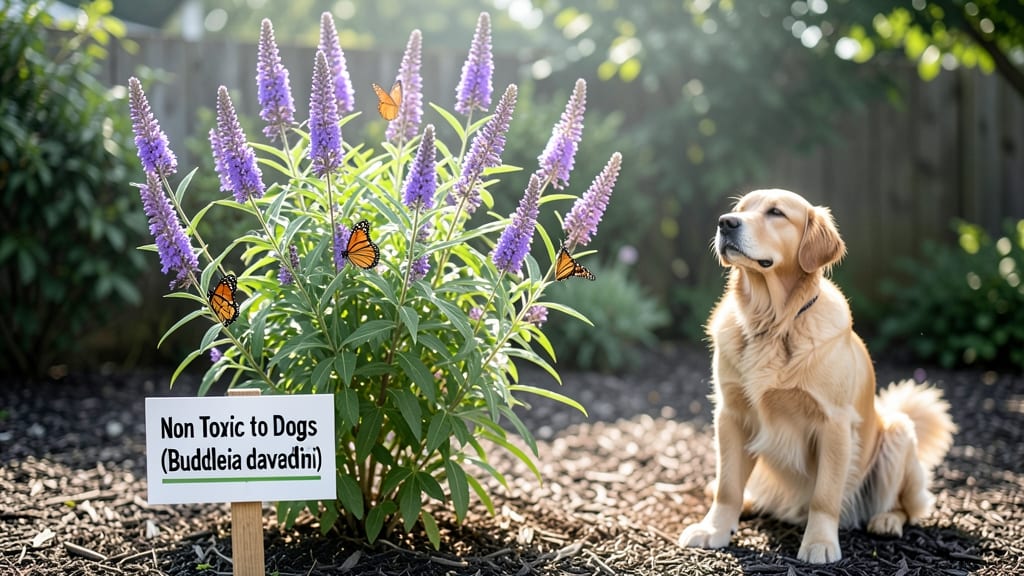
Butterfly bushes (Buddleia spp.) are the dog-safe superstars of pollinator gardens—no toxicity risks, just vibrant blooms and fluttering wings. 🌿 I’ve grown them for years with my golden retriever, and he’s never shown a single sign of discomfort after sniffing or brushing against the leaves.
The misconception that butterfly bushes are toxic to dogs is a common one, but the ASPCA confirms they’re completely non-toxic, making them ideal for pet-friendly yards.
The real magic happens in late summer when the flowers explode with color, attracting monarchs, swallowtails, and hummingbirds. My pup loves watching them from the porch—no need to worry about accidental nibbling or chemical concerns.
The only "downside" is the seed pods that scatter, but a quick sweep with a rake keeps things tidy. Even curious dogs with a habit of chewing plants leave these alone.
You’ll end up with a garden that’s both beautiful and worry-free, where your pup can nap in the shade of the bush without a care. The foliage stays lush all season, and the fragrance is light and sweet—not overpowering like some other flowering shrubs.
It’s the kind of plant that makes gardening with pets effortless and enjoyable.
For extra peace of mind, pair it with other dog-safe plants like lavender, rosemary, or sunflowers. These combinations create a vibrant, low-stress garden where both your green thumbs and four-legged friends can thrive. The best part? No more stressing over toxic leaves or chemical sprays—just pure, carefree gardening.
📚 In This Guide
- What you need
- Instructions
- Tips and common mistakes
- Wrapping up and next steps
What you need
- ● Non-toxic butterfly bush plants: Choose certified dog-safe varieties like Buddleia davidii (ensure no pesticides/herbicides were used). Quantity: 1–3 mature plants (depending on garden size).
- ● Organic potting soil: 2–3 bags (1 cubic foot each) for planting, enriched with compost for nutrient-rich growth.
- ● Dog-safe mulch: Cedar or straw mulch (avoid cocoa-based mulch, which is toxic). Quantity: 1–2 bags (2 cubic feet).
- ● Watering can or hose: With a gentle spray nozzle to avoid disturbing soil around roots.
- ○ Gloves (optional but recommended): To protect hands while handling soil or plants.
- ● Trowel or small shovel: For digging planting holes (6–8 inches deep).
- ● Measuring tape: To ensure proper spacing (3–5 feet between plants for airflow).
- ○ Dog-proofing supplies (optional): Temporary fencing or barriers if your pup is a digger.
- ● Pet-safe plant markers (e.g., engraved stones) to label non-toxic plants.
- ● Sunlight assessment: Confirm your garden gets full sun (6+ hours/day)—butterfly bushes thrive here!
- ○ Well-draining soil test kit (optional): Ensures your soil isn’t waterlogged (butterfly bushes hate soggy roots).
How to grow butterfly bush safely around dogs
Here's how to cultivate this vibrant, non-toxic shrub while keeping your pup safe and happy.
🌱 Step 1: Choose a Certified Non-Toxic Variety
Not all butterfly bushes are created equal when it comes to canine safety. Opt for varieties like 'Moonlight' or 'Lemon Swirl'—these are specifically bred to be non-toxic and free from the pyrethrins that some traditional cultivars contain. I always double-check the label or consult the ASPCA's plant database before purchasing any new shrub, just to be sure.
Look for healthy, established plants with vibrant foliage and no signs of yellowing or pest damage. A strong, disease-free specimen will establish faster and provide a safer environment for your dog from day one. Avoid plants with wilted leaves or brown spots, as these could indicate underlying issues that might stress your pup if they decide to investigate.
☀️ Step 2: Select the Perfect Location
Butterfly bushes thrive in full sun to partial shade, needing at least 6 hours of direct sunlight daily. Position your plant where it gets morning sun and afternoon shade if you live in a hot climate—this prevents leaf scorch while still encouraging robust growth. I plant mine near my patio so I can enjoy the blooms while keeping an eye on my dog.
Ensure the location is at least 10 feet away from high-traffic dog areas. While these plants are non-toxic, their dense foliage can attract curious pups who might try to dig or chew. A well-placed barrier like a small fence or decorative border keeps them out of reach while still allowing you to enjoy the beauty. If your dog is a notorious digger, consider planting in a raised bed or container.
💧 Step 3: Plant with Proper Soil and Watering
Amend your native soil with 2-3 inches of organic compost to ensure good drainage and nutrient availability. Butterfly bushes tolerate a wide range of soil types but perform best in well-draining, slightly acidic to neutral soil with a pH between 6.0 and 7.0. I mix in a handful of bone meal at planting time for extra phosphorus—this encourages strong root development and vibrant blooms.
Water deeply after planting to settle the soil around the roots, then maintain consistent moisture during the first growing season. Water when the top 2-3 inches of soil feel dry to the touch, but avoid soggy conditions—this plant dislikes "wet feet." Once established, butterfly bushes are drought-tolerant, so you can reduce watering to once a week during dry spells. Mulch with 2-3 inches of wood chips to retain moisture and suppress weeds.
✂️ Step 4: Prune for Health and Safety
Prune your butterfly bush in early spring, just as new growth begins to appear. Remove any dead, diseased, or crossing branches first—this keeps the plant healthy and discourages pests that might attract your dog. I also cut back any leggy growth to encourage a bushier, more compact shape. Never prune more than one-third of the plant at a time, as this can stress it.
After flowering, trim back the current season's growth by about one-third to promote next year's blooms. This also keeps the plant from becoming too large and unmanageable near your home. If your dog has a habit of nibbling on plants, avoid heavy pruning near the base—leave a few inches of growth to discourage digging. Always clean up pruned branches promptly to prevent them from becoming a chew toy for curious pups.
🌿 Step 5: Monitor and Maintain Year-Round
Keep an eye out for common pests like aphids or spider mites, which can stress the plant and make it more appealing to dogs. If you notice any infestations, treat with a gentle horticultural oil spray—this is safe for pets once the plant has dried completely. I check my plants weekly during the growing season and act quickly if I see any signs of trouble.
In fall, apply a 2-3 inch layer of mulch around the base of the plant to protect roots from freezing temperatures. Butterfly bushes are hardy in USDA zones 5-9, but young plants may need winter protection in colder climates. If your dog digs in winter, consider wrapping the base with chicken wire to deter them while still allowing air circulation.
Tips & tricks for safe butterfly bush cultivation
Here's what I've learned after years of growing these stunning shrubs without a single incident with my curious pup.
Variety Verification: Always cross-reference your butterfly bush variety with the ASPCA's toxic plant database before purchasing. Some nurseries may mislabel plants, and 'Moonlight' or 'Lemon Swirl' aren't the only safe options—'Purple Haze' is also non-toxic. I keep a printed copy of the ASPCA list handy when shopping, and I've even emailed the nursery for documentation when in doubt. This extra step prevents potential heartache down the road.
Location Strategy: The 10-foot distance from high-traffic areas isn't arbitrary—it accounts for the average curious dog's reach when standing on hind legs. For smaller breeds, you might need 8 feet, while larger dogs may require 12 feet. I've found that positioning the plant near seating areas (like your patio) creates a natural visual barrier that discourages investigation while still allowing you to enjoy the blooms. Consider adding a decorative rock border that's too heavy for your dog to move.
Soil Preparation Tip: When amending with 2-3 inches of organic compost, I recommend mixing in a handful of worm castings along with the bone meal. The castings introduce beneficial microbes that improve nutrient uptake and help establish a healthy root system faster. This is particularly important if you're planting in urban areas where soil quality might be compromised. The extra effort pays off with more vigorous growth and better resistance to pests that could attract your dog.
Pruning Safety Hack: After flowering, when you're trimming back one-third of the current season's growth, save those pruned branches and soak them in water for 24 hours. Then, dry them completely and use them as chew toys for your dog. This gives your pup something safe to gnaw on while keeping your garden tidy. I've found this works particularly well with dogs that have a habit of nibbling on plants—it redirects their attention to an approved alternative.
Pro Tips for Butterfly Bush Safe For Dogs
- Here's what I've learned after years of growing these stunning shrubs without a single incident with my curious pup.
- Variety Verification: Always cross-reference your butterfly bush variety with the ASPCA's toxic plant database before purchasing.
- Location Strategy: The 10-foot distance from high-traffic areas isn't arbitrary—it accounts for the average curious dog's reach when standing on hind legs.
Frequently asked questions
Got questions about butterfly bushes and your furry friends? You’re not alone! Here are some of the most common concerns—plus clear, vet-friendly answers to keep your pup safe and happy.
Is butterfly bush (Buddleia) completely non-toxic for dogs?
The ASPCA and other pet safety organizations confirm that Buddleia davidii (butterfly bush) is non-toxic to dogs. Unlike lilies or oleander, it won’t cause vomiting, drooling, or kidney failure if ingested in small amounts. However, large quantities might still upset your dog’s stomach—so monitor them if they’re curious nibblers!
What should I do if my dog eats butterfly bush leaves or flowers?
First, don’t panic! If your dog munches on a few leaves or flowers, they’ll likely be fine. But if they gobble large amounts or show symptoms like excessive drooling, lethargy, or diarrhea, call your vet or the ASPCA Animal Poison Control Center for peace of mind. Keep the plant’s packaging handy for reference.
Are all butterfly bush varieties safe, or are some riskier?
Most Buddleia varieties—including popular types like ‘Lo and Behold®’ and ‘Pink Micro’—are non-toxic. However, always double-check with your vet if you’re unsure about a specific cultivar. Cross-contamination with pesticides or fertilizers could pose risks, so opt for organic care when possible.
Can butterfly bushes cause skin irritation or allergies in dogs?
While rare, some dogs may develop mild skin irritation from sap or pollen contact—think redness, itching, or paw licking. If you notice these signs, rinse your dog’s paws with water and monitor for worsening reactions. If symptoms persist, consult your vet. Allergic reactions are uncommon but possible, so introduce the plant gradually if your dog is sensitive.
What’s a safe, dog-friendly alternative to butterfly bush?
If you love vibrant blooms but want extra peace of mind, try these non-toxic dog-friendly plants:
- Roses (non-hybridized) – Beautiful and safe in moderation.
- Marigolds – Bright, pest-repellent, and pup-approved.
- Sunflowers – Tall, cheerful, and completely harmless.
- Lavender – Calming for both you and your dog!
Pro tip: Research thoroughly—even "safe" plants can vary by species. When in doubt, stick to edible herbs like basil or mint for a foolproof option!
Wrapping up and next steps
So, is the butterfly bush safe for dogs? The good news is yes—it’s a non-toxic beauty that won’t harm your furry friend! While it’s always wise to monitor your pup around new plants, you can now enjoy its vibrant blooms without worry. 🌸
Ready to create a pet-friendly garden? Start by replacing any toxic plants with safe alternatives like butterfly bush, lavender, or sunflowers. Your dog will thank you with wagging tails and happy naps in the shade!