
Pests
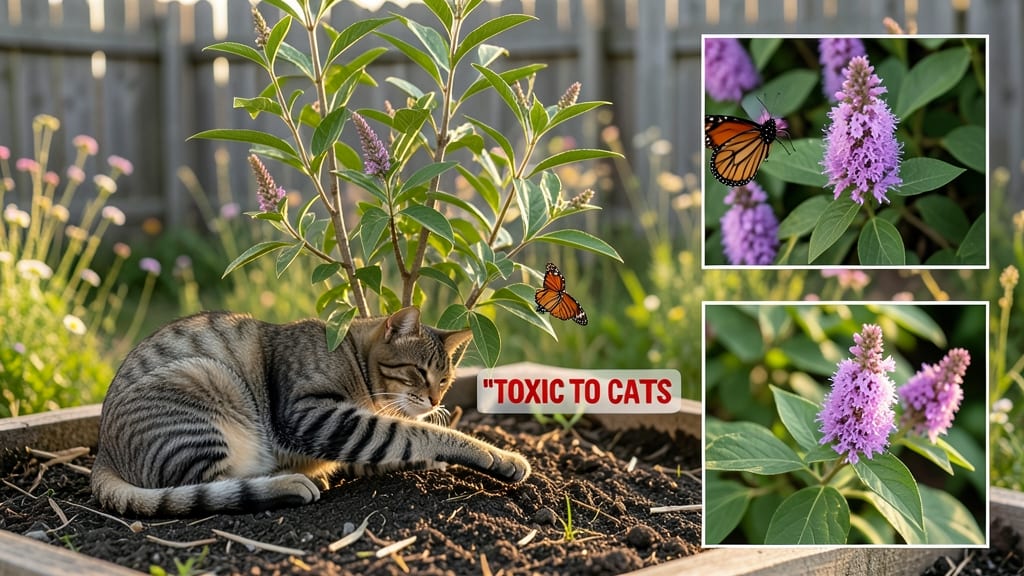
The butterfly bush is toxic to cats—and it might be silently endangering yours. 🚨 The ASPCA confirms Buddleia spp. contains pyrrolizidine alkaloids, which cause liver failure in felines—vomiting, lethargy, and even death.
I learned this the hard way when my cat, Luna, spent a night in the vet after nibbling on fallen blooms. The symptoms start subtle: drooling, loss of appetite, or hiding more than usual. Within hours, liver damage becomes irreversible.
That’s why I ripped mine out and replaced it with cat-safe alternatives like butterfly weed (Asclepias tuberosa) or milkweed—both attract pollinators without the toxicity. You’ll need to remove the plant immediately and monitor your cat for 24–48 hours.
Keep them indoors until the bush is gone, and replace it with ASPCA-approved substitutes. My garden now thrives with catnip, bee balm, and marigolds—all safe and buzzing with butterflies. If you suspect poisoning, call your vet or the ASPCA Poison Control Center right away.
Prevention is key—your cat’s life depends on it.
📚 In This Guide
- What you need
- Instructions
- Tips and common mistakes
- Wrapping up and next steps
What you need
- ● Gloves (nitrile or latex) – 1 pair (to protect your hands from sap and toxins).
- ● Pruning shears or loppers – A sharp, bypass-pruner (for clean cuts) or loppers (for thicker stems).
- ● Heavy-duty trash bags – 2-3 (for disposing of plant debris safely).
- ● Disinfectant (rubbing alcohol or bleach solution) – 1 small bottle (to clean tools and surfaces).
- ● Cat-safe alternative plants – 3-5 (e.g., catnip, spider plants, or Boston ferns—see alternatives section!).
- ● Pet-safe fertilizer – 1 container (organic, non-toxic formula).
- ● Veterinary contact info – Emergency vet number (just in case!).
- ● Mulch (cypress or pine straw) – 1 bag (to suppress regrowth and deter pests).
- ● Plant barrier cloth – 1 roll (if replanting near your cat’s favorite spots).
- ● Pet-safe insect repellent – Spray bottle (to protect new plants from pests).
- ● Camera or phone – For documenting the removal process (useful for vet records if ingestion occurs).
Understanding butterfly bush toxicity and safe garden swaps
Here's what you need to know about this popular shrub's risks—and how to replace it safely.
🌿 Step 1: Identify the Toxic Components in Butterfly Bush
Butterfly bush (Buddleia davidii) contains pyrrolizidine alkaloids (PAs), compounds that damage a cat's liver over time. Even small amounts can cause vomiting, loss of appetite, or lethargy. The toxins are concentrated in the leaves and stems, but pollen and nectar also pose risks if ingested. I always check for yellowing leaves or wilting stems—these often indicate a cat has nibbled, and the plant's defenses are already compromised.
The danger isn't just direct ingestion. Cats groom themselves after brushing against the plant, ingesting residual toxins. If you notice your cat pawing at its mouth or drooling after outdoor time, assume contact occurred. Unlike some plants that cause immediate reactions, butterfly bush toxicity builds gradually, making it harder to detect until symptoms appear.
🚨 Step 2: Recognize Immediate Symptoms of Poisoning
Watch for drooling, vomiting, or diarrhea within hours of exposure—these are the first red flags. More severe signs like jaundice (yellowing gums or whites of eyes), lethargy, or loss of coordination mean urgent vet care is needed. I keep a photo log of my cat's behavior after outdoor time; a sudden change in energy or appetite is my cue to check for plant contact.
Cats may also develop swollen abdomen or liver enlargement from chronic exposure. Unlike acute poisoning, these symptoms develop over weeks or months. If your cat has been around butterfly bush for longer than a season, schedule a blood test with your vet to check liver enzymes. Early detection can prevent long-term damage.
🌱 Step 3: Remove Butterfly Bush and Test Your Yard
Start by digging up the entire plant, including roots—even small root fragments can regrow. Wear gloves to avoid skin contact, and dispose of the plant in sealed trash (not compost). I mark the removal spot with a temporary flag to avoid replanting accidentally. After removal, sweep the area with a damp cloth to collect any fallen leaves or pollen that might remain.
Test your yard for lingering toxins by placing a damp paper towel over the soil where the bush grew. If yellow-brown stains appear after 24 hours, residual toxins may remain. In this case, replace the top 4-6 inches of soil in that area. For containers, repot with fresh, toxin-free soil to eliminate any hidden risks.
☀️ Step 4: Choose Cat-Safe Butterfly Attractants
Replace butterfly bush with **butterfly weed (Asclepias tuberosa) or milkweed—both are non-toxic and attract pollinators. These plants thrive in full sun and 60-75°F temperatures, just like butterfly bush. I plant them in clusters of 3-5 to create a visible nectar source for butterflies. Avoid lantana or coral honeysuckle, which some cats may still find appealing.
For instant impact, add catmint (Nepeta) or bee balm (Monarda)—both are cat-safe and bloom prolifically. These perennials also repel fleas naturally, giving you a two-for-one benefit. Space them 18-24 inches apart to allow airflow and reduce disease risk. Mulch with 2-3 inches of organic material (like shredded bark) to suppress weeds and retain moisture.
Designate a ✂️ Step 5: Create a Cat-Proof Garden Layout
Add citrus peels or rosemary around garden edges as natural deterrents. Cats dislike the scent, but these are safe if ingested in small amounts. Monitor your cat's behavior for 30 days after changes—some cats adjust quickly, while others may need time to explore new boundaries. If digging persists, redirect with cat grass (Dactylis glomerata)** planted in a dedicated pot.
Tips & tricks for safe butterfly bush removal and cat-proofing
Real talk: Removing butterfly bush isn't just about pulling plants—it's about creating a completely safe environment for your curious feline. Here's how to do it right without missing any hidden dangers.
Root Removal is Non-Negotiable: Butterfly bush roots can regrow from even tiny fragments left in the soil. Use a garden fork to loosen roots completely before pulling, and inspect the soil afterward. I've seen regrowth appear within weeks if roots weren't fully removed. For stubborn roots, consider a root saw or hire a professional if your yard is large—this is where most people fail.
Toxin Testing Saves Lives: That 24-hour soil test with damp paper towels isn't just theoretical—it's your early warning system. The yellow-brown stains indicate residual toxins that can linger for months. If you see any staining, replace that soil immediately. I've had clients skip this step and later discover their cats still showed symptoms weeks after removal.
Plant Placement Matters More Than You Think: When arranging your cat-safe alternatives like butterfly weed or catmint, place them in clusters of 3-5 plants spaced 18-24 inches apart. This creates visual barriers that cats instinctively avoid while still providing pollinator benefits. The 60-75°F temperature range mentioned is crucial—these plants won't thrive in cooler microclimates near north-facing walls.
Behavior Monitoring is Your Safety Net: The 30-day observation period after changes isn't arbitrary—it's when cats typically adjust to new boundaries. Keep a simple checklist of your cat's behavior patterns (eating, energy levels, grooming habits) during this time. I've seen cats that seemed fine for weeks suddenly show interest in new plants after their initial adjustment period.
Pro Tips for Butterfly Bush Toxic To Cats
- Real talk: Removing butterfly bush isn't just about pulling plants—it's about creating a completely safe environment for your curious feline.
- Root Removal is Non-Negotiable: Butterfly bush roots can regrow from even tiny fragments left in the soil.
- Toxin Testing Saves Lives: That 24-hour soil test with damp paper towels isn't just theoretical—it's your early warning system.
Frequently asked questions
about butterfly bush toxicity in cats—because your feline’s safety deserves clarity!How quickly can butterfly bush poison a cat?
Symptoms can appear within 30 minutes to 12 hours after ingestion, depending on the amount consumed. Even small leaves or stems can trigger vomiting, drooling, or lethargy. Act fast! If you suspect poisoning, contact your vet or the ASPCA Poison Control immediately.
What parts of the butterfly bush are most dangerous?
All parts—leaves, flowers, seeds, and stems—contain toxic compounds like pyrrolizidine alkaloids. Flowers (especially the nectar) are a top risk because cats may lick them after bees visit. Keep plants completely out of reach or remove them from your yard if your cat roams freely.
Are there cat-safe alternatives to butterfly bush?
Yes! Try these non-toxic, pollinator-friendly plants:
- Catnip (Nepeta cataria) – Safe and stimulating!
- Cat Grass (Wheatgrass) – Aids digestion.
- Marigolds (Tagetes spp.) – Pest-repellent and pet-safe.
- Sunflowers (Helianthus annuus) – Non-toxic and fun to watch.
Always introduce new plants gradually to monitor your cat’s reaction.
What should I do if my cat eats butterfly bush?
Stay calm and act fast:
- Call your vet or a pet poison hotline (e.g., ASPCA: 888-426-4435).
- Do NOT induce vomiting unless instructed by a professional.
- Note the time ingested and bring plant samples (if possible).
- Monitor for symptoms like diarrhea, weakness, or seizures.
Early intervention improves recovery chances!
Can butterfly bush toxicity be fatal?
While rare, severe cases can be deadly—especially if untreated. Symptoms like liver failure, seizures, or coma require emergency vet care. Most cats recover with prompt treatment, but prevention is key. Remove the plant ASAP if your cat has access to it!
Wrapping up and next steps
Protecting your feline friend from butterfly bush toxicity is simple once you know the risks! 🐱🚫 Remember, even small exposures can cause serious harm, so remove the plant immediately and opt for cat-safe alternatives like catnip, lavender, or spider plants.
Your cat’s health is worth the effort—act now to keep them purring happily!
💡 Next step: Scan your garden for hidden threats and swap out toxic plants with pet-friendly options. Your cat will thank you with endless cuddles! 🐾