
Pests
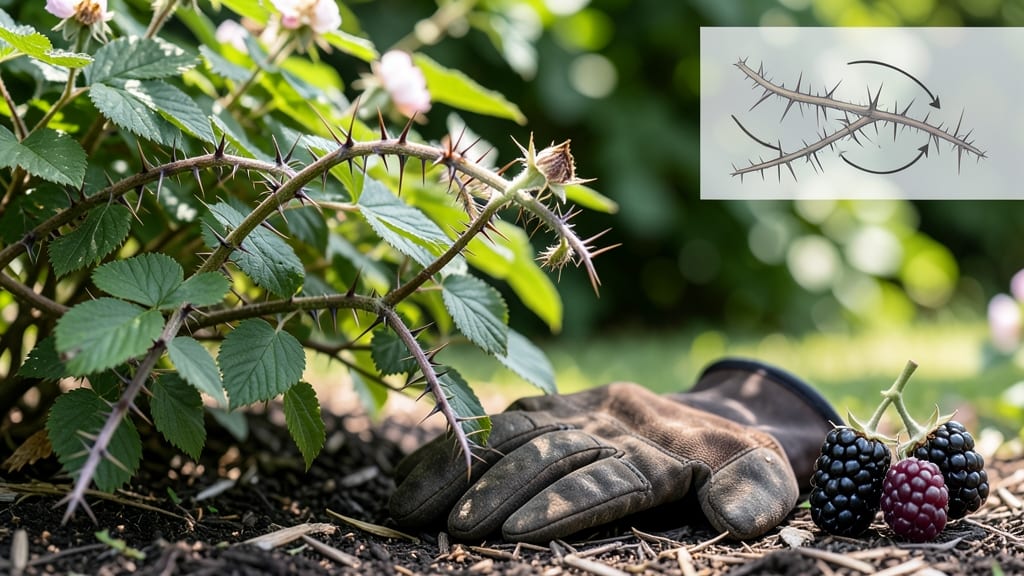
Blackberry bush thorns aren't poisonous—but they will leave you bleeding and frustrated if you don't handle them right. 🌿 I've spent years wrestling with these prickly plants, and I've learned the safest ways to work around them without turning your hands (or your dog's paws) into pincushions.
The thorns aren't toxic, but they are sharp enough to draw blood—and that's where the real risk comes in. Bacteria from dirt or plants can cause infections if you don't clean wounds properly. Most injuries happen during pruning, harvesting, or when pets wander too close.
Even a light brush can leave you scratching. With the right gear—thick gloves, long sleeves, and closed-toe shoes—you can work around blackberries safely. I've never had a serious injury since switching to heavy-duty gardening gloves and using long-handled pruners to keep my hands clear of the thorny canes.
If you do get pricked, clean the wound immediately with soap and water, then apply antiseptic. For pets, watch for excessive licking or pawing—they might need a vet visit if the thorns cause irritation or infection. Safety first, always.
Nature’s Defense Mechanism
Blackberry bush thorns aren’t just a nuisance—they’re a deliberate survival strategy designed by nature to protect the plant. Understanding why these sharp, hooked spines develop helps explain how to handle them safely. Here’s a breakdown of the key reasons behind their existence:
Thorns evolved over millennia as a physical deterrent against herbivores—animals like deer, rabbits, and even insects that might otherwise munch on the plant’s leaves, fruit, or stems. Blackberry bushes (Rubus species) thrive in wild, untamed environments where competition for resources is fierce.
Their thorns act as a natural security system, making it difficult for predators to feed on them without getting injured. This evolutionary trait has been passed down through generations, ensuring the plant’s longevity in ecosystems where other defenses (like toxins) might be less effective.
Fun fact: Some studies suggest that thorns may also reduce wind damage by creating turbulence around the plant, further protecting its structure.
Blackberry bushes allocate their energy carefully. When resources like sunlight, water, or soil nutrients are limited, the plant prioritizes defense over growth. Thorns require relatively little energy to produce compared to leaves or berries, making them an efficient way to deter threats without draining the plant’s resources.
In nutrient-poor soils or crowded environments, you’ll often find thicker, denser thorns—a clear sign the plant is investing in protection over fruit production.
Key takeaway: Over-fertilizing a blackberry bush can sometimes reduce thorn density by shifting its energy toward fruit and foliage, but this isn’t always safe or recommended without proper care.
Thorns play a secondary role in disease prevention. By making it harder for pests (like aphids or spider mites) to latch onto the plant, they limit the spread of pathogens that hitchhike on insects.
Additionally, the physical barrier discourages animals from trampling the bush, which can compact soil and suffocate roots. While blackberry bushes aren’t typically toxic, their thorns create an environment where harmful microbes struggle to take hold.
Pro tip: If you’re pruning thorns for safety, avoid damaging the canes themselves—healthy canes are the plant’s first line of defense against fungal infections like anthracnose.
Not all blackberry bushes have equally aggressive thorns—environmental stress can amplify their development. Factors like:
- Drought conditions: Water scarcity forces the plant to conserve resources, leading to thicker, sharper thorns as a survival tactic.
- Poor soil quality: Low-nutrient or rocky soil can stunt growth, prompting the plant to focus on defensive structures.
- Overcrowding: When bushes grow too close together, they compete for space and sunlight, resulting in denser thorn coverage.
- Wildfire or physical damage: After trauma, blackberry plants may produce more thorns in the regrowth phase to prevent further harm.
Actionable insight: If your blackberry patch has unusually aggressive thorns, check for underlying stress factors—like root-bound plants or dehydration—and address them to reduce future prickliness.
By recognizing these natural triggers, you can better predict and manage blackberry bush thorns—whether you’re harvesting fruit, pruning for safety, or simply avoiding those painful pokes! 🌿✂️
Safe Removal Solutions for Thorny Bushes
Now that you understand why blackberry bushes develop sharp thorns—and why they can be hazardous—let’s tackle the practical solutions to handle them safely.
Whether you’re dealing with an overgrown patch in your yard or just want to protect yourself while pruning, these step-by-step fixes will help you manage thorns without injury.
Before grabbing your pruners, armor up to avoid painful (or worse, infected) thorn-related wounds:
- Wear thick gloves (leather or heavy-duty gardening gloves) to shield your hands.
- Cover exposed skin with long sleeves, pants, and closed-toe shoes.
- Use safety goggles—thorns can snap and fly unexpectedly!
- Consider a thorn-proof apron if working in dense patches.
> 💡 Pro Tip: If you’re highly allergic or have sensitive skin, add a light bandage under your gloves as an extra barrier.
Thorns are the bush’s defense mechanism, so strategic pruning reduces their growth while keeping the plant healthy.
1️⃣ Trim in Dry Weather (Best Timing)
- Why? Wet thorns are sharper and stickier, increasing injury risk.
- When? Prune on a dry, sunny day—morning is ideal to avoid evening humidity.
2️⃣ Cut at the Right Angle (🔥 Avoid Regrowth)
- Use clean, sharp pruners (sterilize with rubbing alcohol to prevent disease).
- Cut just above a bud or branch (about ¼ inch above) to encourage outward growth.
- Avoid cutting too close to the stem—this can leave jagged edges that regrow into more thorns.
3️⃣ Remove Suckers & New Growth (Prevent Spread)
- Blackberry bushes sprout runners (suckers) that develop thorns.
- Dig out or mow down any new shoots within 10 feet of the main plant to stop expansion.
If thorns are a recurring nuisance, break the cycle with these methods:
| Method | How It Works | Best For |
|---|---|---|
| Mulching | Smother new growth with wood chips or straw (3–4 inches deep). | Preventing suckers in garden beds. |
| Vinegar Spray | Mix 1 gallon white vinegar + 1 tbsp dish soap—spray on new shoots (reapply weekly). | Organic control (kills young thorns). |
| Pruning Shears with a Guard | Use thorn-resistant shears (like Felco’s thorn-proof models) to avoid snags. | Heavy-duty pruning sessions. |
| Plant Competition | Grow fast-spreading ground covers (like clover or creeping thyme) near the base. | Crowding out runners naturally. |
> ✨ Bonus Tip: If thorns are extreme, consider selective herbicide (like glyphosate) only on unwanted plants—never near edible crops.
Even with precautions, oops moments happen. Here’s how to treat thorn punctures safely:
- Wash the wound with soap and warm water (5+ minutes).
- Remove visible thorn fragments with sterile tweezers (do not dig with fingers).
- Apply antibiotic ointment and cover with a bandage.
- Watch for infection signs (redness, swelling, pus)—see a doctor if symptoms worsen.
> 🌡️ Warning: If a thorn breaks off, it may harbor bacteria—seek medical help if the area becomes extremely painful or swollen.
- Prune regularly (every 6–8 weeks) to stimulate bushier, less thorny growth.
- Water deeply but less often—stressed plants grow more thorns.
- Fertilize in early spring (balanced 10-10-10) to promote healthier, less aggressive canes.
- Monitor for pests (like spider mites)—stressed bushes produce more thorns.
By following these practical, safety-first steps, you can tame thorny blackberry bushes without turning your garden into a battlefield. Whether you’re pruning for fruit, aesthetics, or safety, protection and strategy are your best tools! 🚀
Frequently asked questions
Are blackberry bush thorns actually dangerous?
The thorns themselves aren't poisonous, but they can cause painful punctures that may lead to infections if not cleaned properly. The real risk comes from bacteria in soil or plant sap entering open wounds. Always wear gloves and clean any injuries immediately with soap and water.
Can blackberry thorns cause allergic reactions?
While extremely rare, some people may experience mild skin irritation from sap or thorn punctures. If you notice redness, itching, or swelling beyond normal puncture wounds, wash the area with mild soap and monitor for 24 hours. Severe reactions are uncommon but should prompt medical attention.
What's the safest way to handle thorns when harvesting berries?
Use long-handled pruners to trim branches before picking, and wear thick gardening gloves with long sleeves. Hold berries by the stem with a cloth or wear fingerless gloves to protect fingertips while avoiding direct contact with thorns.
Will cutting thorns make the plant grow more?
No, pruning thorns won't increase their production—they're a natural defense mechanism. However, proper pruning (cutting at the right angle) can encourage healthier growth that may produce fewer thorns over time. Always use clean tools to prevent disease.
Are blackberry thorns dangerous to pets?
Yes, pets can suffer from thorn punctures just like humans. Watch for excessive licking or limping—remove visible thorns with tweezers and clean the area. If your pet shows signs of pain, swelling, or infection (pus, foul odor), consult a vet immediately.