
Diseases
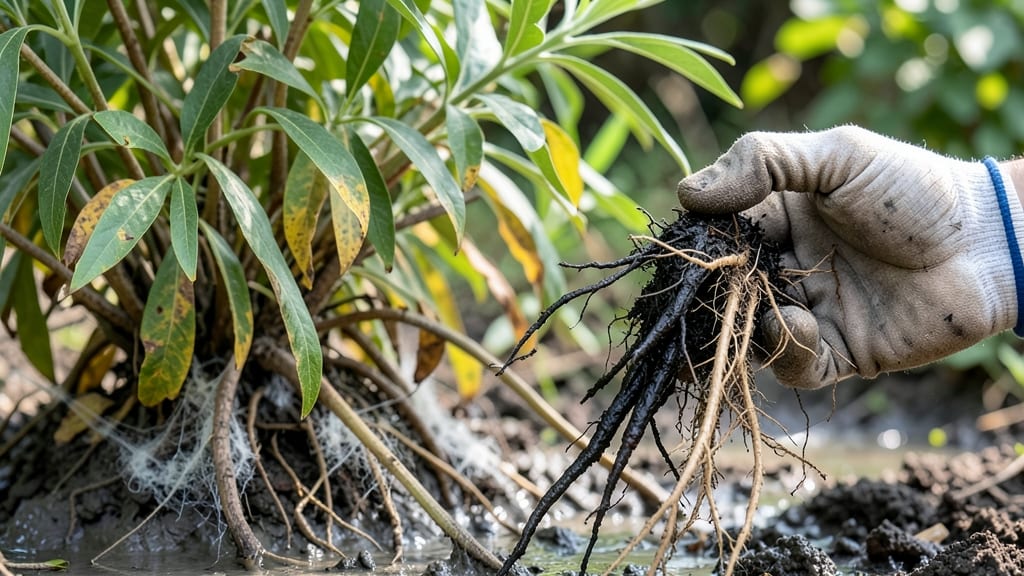
Your butterfly bush could still thrive—root rot isn’t always a death sentence. 🌿 I’ve nursed back more plants than I’ve lost, and the key is acting fast when you see those first signs: wilting leaves, yellowing foliage, or that unmistakable sour smell from the soil.
Overwatering and poor drainage are the usual culprits, turning your butterfly bush’s roots into a soggy mess. The good news? With proper pruning, adjusted watering, and soil amendments, you can revive it—often within just a few weeks. I’ve seen plants bounce back completely when given the right care.
Start by cutting back dead stems and improving drainage. Amend the soil with compost or perlite, and water only when the top inch feels dry. Within 4-6 weeks, you’ll see new growth pushing through, and those butterflies will be back in no time.
Prevention is easier than cure: plant in raised beds, use well-draining soil, and mulch to regulate moisture. Trust me, once you’ve saved a struggling butterfly bush, you’ll never overwater again!
Why it happens
Root rot in butterfly bushes (Buddleja davidii) isn’t just a random act of nature—it’s usually a clear signal that something’s gone wrong in their environment. Understanding these triggers is the first step to preventing or fixing the issue.
Let’s break down the top causes and why they turn your plant’s roots into a soggy, fungus-friendly mess.
🌧️ Overwatering: The #1 Root Rot Culprit
Butterfly bushes are drought-tolerant plants, meaning they thrive in well-draining soil and cannot handle soggy roots. When you overwater—whether through excessive irrigation, poor drainage, or heavy rainfall—the roots suffocate in oxygen-deprived, waterlogged soil.
This creates the perfect breeding ground for Phytophthora and Pythium, two fungal pathogens that cause root rot.
- Why it happens: Water displaces air in soil pores, starving roots of oxygen. Without oxygen, roots can’t absorb nutrients or fight off pathogens.
- Actionable sign: If the top 2–3 inches of soil stay damp for more than 2–3 days, you’re likely overwatering.
- Pro tip: Stick your finger in the soil—if it’s wetter than a sponge after a shower, hold off on watering! 💡
🏡 Poor Drainage: When Soil Becomes a Sponge
Butterfly bushes despise compacted or clay-heavy soil, which acts like a water trap. If your plant is in a container with no drainage holes or planted in a low-lying area where water pools, roots sit in stagnant moisture 24/7.
Even "well-draining" potting mixes can fail if they’re not amended with perlite, sand, or vermiculite.
- Why it happens: Poor drainage prevents excess water from escaping, leading to anaerobic conditions (no oxygen) that weaken roots and invite rot-causing microbes.
- Actionable sign: Water sits in saucers under pots for hours, or puddles form around the base of the plant after rain.
- Fix it: Amend heavy soil with 50% organic matter (compost, peat moss) and 30% coarse sand or gravel. For containers, use a mix designed for drought-loving plants.
🍄 Fungal Pathogens: The Silent Invaders
Root rot isn’t always caused by human error—sometimes, it’s an unwelcome guest. Fungi like Phytophthora and Pythium thrive in wet, warm conditions, latching onto stressed roots and blocking water/nutrient uptake. These pathogens spread through contaminated soil, tools, or even splashing water during irrigation.
| Fungus Type | How It Infects | Tell-Tale Signs |
|---|---|---|
| Phytophthora | Spreads in waterlogged soil; loves cool, wet climates. | Dark, mushy roots with a foul odor; wilting despite moist soil. |
| Pythium | Thrives in warm, stagnant water; common in overpotted plants. | Soft, brown roots that collapse when touched; yellowing leaves. |
Why it happens: Fungi release enzymes that break down root cell walls, turning healthy roots into a decaying mess. They’re especially aggressive when roots are already weakened by poor drainage or overwatering.
Prevent it: Sterilize tools with 70% isopropyl alcohol, avoid overhead watering, and choose fungal-resistant butterfly bush varieties like ‘Lo and Behold’.
🌡️ Temperature and Humidity: The Perfect Storm
Butterfly bushes prefer moderate temperatures (60–80°F), but extreme heat or cold—combined with high humidity—can stress roots and make them vulnerable to rot. For example:
- Cold stress: If roots freeze in winter, they die back and become entry points for rot-causing fungi when temperatures rise.
- Heat stress: In scorching summers, roots may dry out temporarily, but if you then overwater to "revive" them, you create a rot-prone environment.
- High humidity: Moist air slows evaporation, keeping soil damp longer and encouraging fungal growth.
Why it happens: Temperature swings disrupt the plant’s natural defenses, while humidity reduces evaporation, prolonging soil moisture. This double whammy turns roots into a buffet for pathogens. ✨
Actionable fix: Mulch with 2–3 inches of wood chips to regulate soil temp, and space plants to improve air circulation.
🪴 Container Issues: When Pots Become Prisons
Potted butterfly bushes are especially prone to root rot because containers can trap water like a microwave. Common pitfalls include:
- No drainage holes: Water has nowhere to escape, leading to chronic sogginess.
- Small pots: Roots outgrow the space, becoming root-bound and unable to access oxygen or nutrients efficiently.
- Cheap potting mix: Some mixes compact over time, reducing aeration.
Why it happens: Roots in containers can’t "breathe" or expand, leading to circulatory failure—like a car engine running out of fuel. The lack of airflow also traps heat, accelerating fungal growth. 🔥
Fix it:
- Upgrade to pots with drainage holes and a saucer with drainage (empty it after watering!).
- Repot every 2–3 years with fresh, airy soil.
- Choose terracotta or fabric pots (they dry faster than plastic).
Revive Your Plant: Step-by-Step Fixes
Root rot in butterfly bushes (or Buddleia) is a serious threat, but with the right approach, you can nurse your plant back to health—or even prevent future outbreaks. The key is acting fast and addressing the root cause.
Below are practical, actionable solutions tailored to the most common triggers, from overwatering to poor drainage. Follow these steps to save your plant and keep it thriving.
If your butterfly bush is suffering from root rot, water stress is likely the culprit. Overwatering suffocates roots by cutting off oxygen, creating the perfect environment for fungal growth.
How to fix it:
- 🚰 Cease all watering until the soil is dry to the touch (about 2–3 inches deep).
- Check soil moisture with a finger—if it’s damp, wait longer before watering again.
- Avoid soggy soil—root rot thrives in waterlogged conditions, so let excess moisture evaporate.
💡 Pro Tip: If your plant is in a container, lift it to check the weight. A dry pot is lighter, while a saturated one feels heavy.
Poor drainage is a leading cause of root rot. If water pools around your butterfly bush, it’s time to upgrade its growing conditions.
How to fix it:
- 🔧 Repot if needed—Use a container with drainage holes (or add a layer of gravel at the bottom if repotting isn’t an option).
- 🌿 Amend heavy clay soil by mixing in perlite, sand, or compost (20–30%) to improve aeration.
- 🌧️ Elevate the plant if in ground soil—Consider planting on a mound or raised bed to prevent water pooling.
✨ Prevention Tip: If your butterfly bush is in the ground, create a slight slope around the base to encourage water runoff.
Root rot spreads quickly, so removing infected areas is crucial to prevent further damage.
How to fix it:
- 🔪 Sterilize your tools with rubbing alcohol before pruning.
- 🌿 Dig carefully around the base to expose roots. Look for black, mushy, or foul-smelling roots—these are rotten and must be removed.
- 💥 Trim healthy roots back slightly (about 1 inch) to encourage new growth.
- 🧼 Disinfect pruning tools between cuts to avoid spreading fungus.
💡 Pro Tip: If more than half the roots are rotten, consider propagating healthy cuttings from the remaining plant to grow a new one.
Once your butterfly bush is stable, smart watering habits will prevent root rot from returning.
How to fix it:
- 💧 Water deeply but infrequently—Let the top 2–3 inches of soil dry out between waterings.
- 🕒 Best time to water: Early morning so excess moisture evaporates during the day.
- 🌧️ Avoid overhead watering—Use a drip irrigation system or soaker hose to deliver water directly to the roots.
- 📅 Monitor seasonal needs—Water less in fall/winter and more in hot, dry summers.
🎯 Prevention Table: Watering Dos and Don’ts
| Do ✅ | Don’t ❌ |
|---|---|
| Water at the base, not leaves | Water daily or lightly—this keeps soil soggy |
| Use well-draining soil | Plant in low-lying areas where water pools |
| Check soil moisture before watering | Ignore yellowing leaves (early rot sign) |
| Mulch 2–3 inches deep (but keep it away from the stem) | Over-mulch, trapping moisture |
If root rot is caused by fungal pathogens (like Phytophthora), you’ll need targeted treatments to eliminate the threat.
How to fix it:
- 🍄 Apply fungicide—Use a copper-based or phosphite fungicide (follow label instructions).
- 🌿 Boost soil health with beneficial microbes like Trichoderma or mycorrhizal fungi to outcompete pathogens.
- 🌿 Add organic matter—Compost or well-rotted manure improves soil structure and microbial balance.
💡 Pro Tip: Baking soda spray (1 tsp per quart of water) can help prevent fungal spores on leaves—just spray lightly and avoid overuse.
A recovering butterfly bush needs extra TLC to bounce back strong.
How to fix it:
- 🌞 Provide full sun (6+ hours daily)—Weak plants are more susceptible to rot.
- 🍽️ Fertilize lightly—Use a balanced, slow-release fertilizer (10-10-10) only after new growth appears.
- 🌿 Prune back dead foliage to redirect energy to root recovery.
- 🌧️ Avoid stress—Keep the plant in a stable, stress-free environment (no sudden temperature changes).
✨ Prevention Tip: Mulch properly—Use wood chips or straw, but keep it 2–3 inches away from the stem to prevent moisture buildup.
✅ Stop watering until soil is dry ✅ Improve drainage (repot or amend soil) ✅ Prune rotten roots and disinfect tools ✅ Adjust watering schedule (deep but infrequent) ✅ Treat fungus if present (fungicide + microbes) ✅ Support recovery with sun, light fertilizer, and pruning
By following these steps, your butterfly bush can make a full recovery—and with proper prevention, it’ll stay healthy for years to come! 🌸💪
Frequently asked questions about butterfly bush root rot
How can I tell if my butterfly bush has root rot?
Look for yellowing leaves, wilting despite moist soil, and a foul, sour smell when you dig near the roots. Healthy roots should be firm and white, while rotten ones are black, mushy, and easily crumble. Check the soil too—if it stays damp for more than 2-3 days, that's a red flag.
Can I save a butterfly bush with severe root rot?
It depends! If more than half the roots are rotten, propagation from healthy cuttings may be your best bet. For less severe cases, prune the damaged roots, improve drainage, and give it time—you might see new growth in 4-6 weeks with proper care. Start with a clean pot and fresh, well-draining soil.
What's the best soil mix to prevent root rot?
Use a blend of 60% potting soil, 20% perlite or coarse sand, and 20% compost. This creates air pockets while retaining enough moisture. For ground planting, amend heavy clay soil with 50% organic matter and 30% coarse sand or gravel. Always plant in raised beds or slopes to prevent water pooling.
How often should I water a recovering butterfly bush?
Wait until the top 2-3 inches of soil are completely dry—usually every 7-10 days in summer, less in cooler months. Water deeply at the base (not leaves) in the morning. Use a moisture meter if you're unsure—root rot thrives in inconsistent moisture, so better to underwater slightly than overwater.
Are some butterfly bush varieties more resistant to root rot?
Yes! Dwarf varieties like 'Lo and Behold' and 'Miss Ruby' tend to handle moisture better due to their compact size. Also consider Buddleja alternifolia (summer lilac), which naturally prefers drier conditions. When selecting plants, check with your local nursery about native or drought-tolerant cultivars in your climate zone.