
Pruning
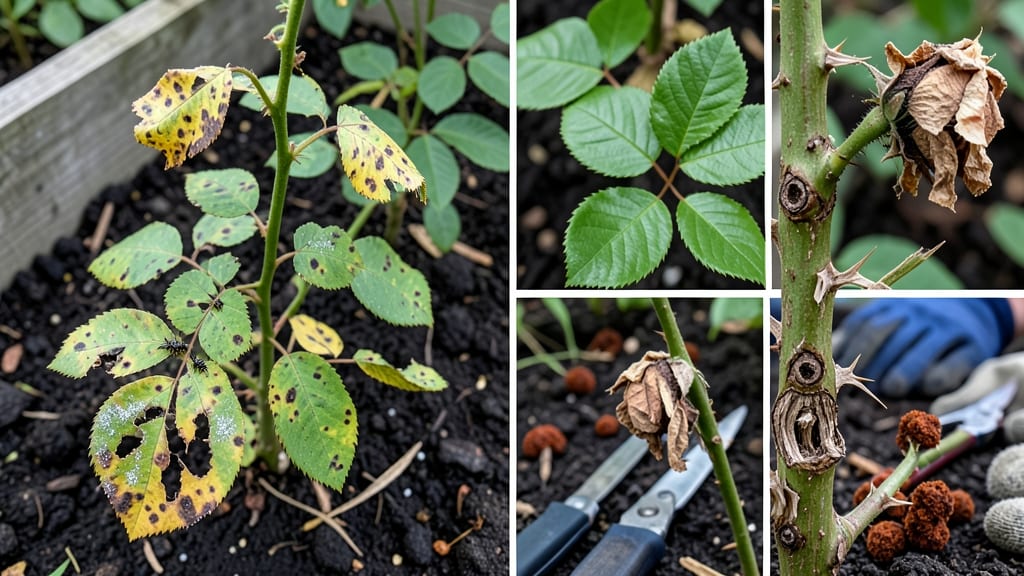
Your once-vibrant rose bush damage now looks like a crime scene—blackened leaves, bare stems, and sad, wilted canes. 🌹 The good news? Most damage isn’t permanent, and with the right pruning fixes, you can revive even the most neglected shrubs.
I’ve nursed back roses with everything from fungal rot to storm damage, and these techniques work every time.
The culprits are usually a mix of overwatering, pests like aphids, or fungal diseases such as black spot. Frost damage and improper pruning can also weaken canes, leaving them vulnerable. The key is identifying the damage: mushy stems mean rot, yellow leaves signal overwatering, and sticky residue?
Aphids. Once you spot the problem, you can prune strategically to encourage new growth.
Start by cutting out all dead, diseased, or crossing canes at a 45-degree angle, just above an outward-facing bud. For fungal issues, sterilize your pruners with rubbing alcohol between cuts.
After pruning, apply a fungicide spray or neem oil to prevent reinfection. Within weeks, you’ll see fresh green shoots pushing through—proof your roses are fighting back.
Prevention is easier than cleanup: water at the base (not overhead), mulch to protect roots, and prune in late winter or early spring. A little care now means fewer crises later. Your roses will thank you with bigger blooms and stronger stems next season.
Behind the scenes causes
When your once-vibrant rose bush starts looking more like a sad, overgrown mess, the damage is rarely random—it’s usually a direct response to environmental stress, pests, or improper care. Understanding the root causes (literally and figuratively) is the first step to restoring your roses to their full glory.
Let’s break down the science behind why your rose bush might be suffering.
Roses are hardy plants, but they have their limits. When temperatures drop below 20°F (-6°C), the delicate tissues of rose canes and buds can suffer from cold injury.
This happens because water inside the plant cells freezes, creating ice crystals that rupture cell walls. The damage often appears as:
- Blackened or shriveled canes (a sign of frost damage)
- Delayed or absent blooms (buds fail to open in spring)
- Cracked bark (from rapid temperature swings)
💡 Pro Tip: Some rose varieties are cold-hardy (like Rosa rugosa or Knock Out® roses), while others (like hybrid teas) need winter protection. If your area gets harsh winters, mulch heavily and wrap canes in burlap or frost blankets before the first freeze.
While roses love sunlight, intense heat combined with dry conditions can lead to heat stress, causing leaves to curl, wilt, or turn brown at the edges. This happens because:
- The plant’s stomata (pores on leaves) close to conserve water, reducing photosynthesis.
- Cell membranes degrade when temperatures exceed 90°F (32°C), leading to tissue death.
- Root systems dry out if not watered deeply, cutting off nutrient flow.
🌡️ Watch For:
- Leaves that feel crispy or papery to the touch
- Bud blast (buds dry up before opening)
- Stems that shrink or darken from the bottom up
✨ Fix It: Water deeply in the early morning (not evening) to reduce evaporation, and provide afternoon shade during heatwaves. Drip irrigation is ideal—it delivers water slowly to the roots where it’s needed most.
Roses are a buffet for pests and pathogens, and their damage can look like neglect. Here’s how they strike:
🐛 Insect Invaders
| Pest | Damage Signs | Why It Happens |
|---|---|---|
| Japanese Beetles | Skeletonized leaves (chewed edges), honeydew (sticky residue), and black sooty mold. | Adult beetles strip leaves for nutrients, while larvae (grubs) feed on roots, weakening the plant. |
| Aphids | Curled, sticky leaves; distorted new growth; ants (which farm aphids for honeydew). | These sap-sucking pests inject toxins that cause leaves to pucker and stunt flower development. |
| Rose Slugs (Sawfly Larvae) | Leaves eaten into skeletons; black, inch-long larvae on undersides. | Caterpillars devour foliage rapidly, often defoliating entire canes in weeks. |
🍄 Fungal & Bacterial Threats
- Black Spot (Diplocarpon rosae): Dark spots with yellow halos on leaves, leading to premature leaf drop. Fungal spores thrive in wet, humid conditions and clog stomata, blocking gas exchange.
- Powdery Mildew (Sphaerotheca pannosa): White, powdery coating on leaves and buds. The fungus smothers photosynthesis, causing buds to fail to open.
- Canker (Botryosphaeria): Sunken, dead patches on canes. Bacteria or fungi infect wounds (from pruning or storms), cutting off water flow.
🔥 Preventative Action: Space plants for airflow, avoid overhead watering, and remove infected debris immediately. Neem oil or copper fungicides can help, but pruning out damaged canes is critical to stopping spread.
Pruning is a surgical procedure for roses—do it wrong, and you’re essentially hacking off limbs without sterilizing the tools. Common pruning mistakes that cause damage:
- Cutting too late in the season: Pruning after mid-summer removes next year’s flower buds, leading to sparse blooms.
- Leaving stubs: Cuts should be made just above a 5-leaflet leaf or outward-facing bud. Stubby cuts invite disease.
- Over-pruning: Removing more than 1/3 of the plant at once stresses the rose, reducing its ability to recover.
- Using dull or dirty tools: Jagged cuts tear tissue, creating entry points for bacteria and fungi.
🎯 Rule of Thumb: Prune in early spring (before new growth starts) or right after blooming. Always sterilize shears with rubbing alcohol, and make cuts at a 45-degree angle to prevent water pooling.
Roses are heavy feeders, and poor soil health can lead to visible damage. Here’s what’s missing when your bush looks weak:
| Deficiency | Symptoms | Why It Happens |
|---|---|---|
| Nitrogen (N) | Yellowing leaves (starting with older ones), stunted growth. | Nitrogen is key for chlorophyll production. Without it, leaves can’t photosynthesize efficiently. |
| Phosphorus (P) | Purple or dark green leaves, weak stems, few blooms. | Phosphorus fuels root development and flowering. Poor soil or acidic conditions lock it out. |
| Potassium (K) | Brown leaf edges, weak stems, susceptibility to disease. | Potassium regulates water balance and disease resistance. Deficiency makes roses more vulnerable to stress. |
| Iron (Fe) | Yellow leaves with green veins (chlorosis). | <