
Landscaping
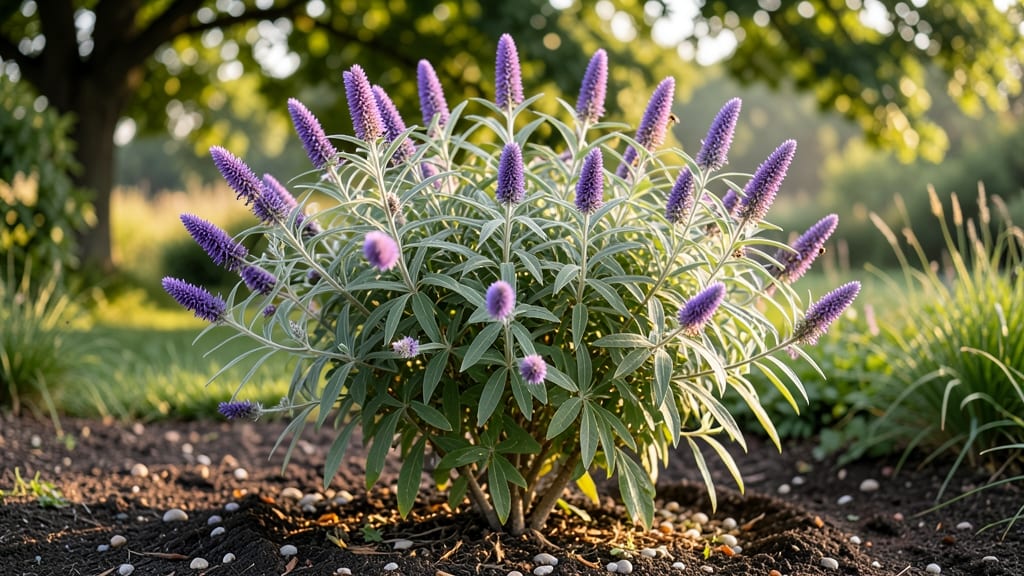
The butterfly bush in landscape could buzz with life and bloom from spring to frost, creating a fragrant privacy screen that draws pollinators while adding bold color—no other shrub does both so effortlessly.
I’ve designed entire garden backdrops around it, and the difference in seasonal interest is night and day compared to plain evergreens.
The secret lies in placement: plant it where it gets full sun and has room to spread its 6-10 foot wingspan. Pair it with purple coneflowers and black-eyed Susans for a pollinator magnet that thrives all season.
The purple blooms contrast beautifully with silver foliage plants like lamb’s ear, creating a textured, layered look that feels both wild and intentional.
By summer’s end, you’ll have a living wall of color that hums with butterflies and bees. The fragrance alone makes it worth growing—sweet, honey-like, and impossible to resist. Plus, it handles heat and drought once established, making it the low-maintenance star of any landscape.
Works equally well as a standalone specimen or in mixed borders. For best results, prune back in late winter to encourage fresh, vigorous growth. The payoff? A garden that feels alive, colorful, and purposeful from May through October.
📚 In This Guide
- What you need
- Instructions
- Tips and common mistakes
- Wrapping up and next steps
What you need
- ● Butterfly bush plants: 1–3 mature plants (depending on desired height and width; standard varieties grow 6–15 ft tall)
- ● Choose Buddleia davidii (classic) or native alternatives like Buddleia alternifolia for pollinator-friendly options
- ● Soil amendments: 5–10 lbs well-draining potting mix or compost (if soil is heavy clay)
- ○ Optional: Slow-release fertilizer (10–20 lbs, 10-10-10 NPK ratio) for nutrient boost
- ● Tools: Trowel or spade
- ● Pruning shears (for shaping)
- ● Garden gloves
- ● Watering can or hose with a gentle spray nozzle
- ● Measuring tape (for spacing)
- ● Mulch (2–3 inches of wood chips or pine straw) to retain moisture and suppress weeds
- ● Stakes or plant supports (if planting in windy areas)
- ● Drip irrigation system (for automated watering)
- ● Pollinator-friendly companion plants (e.g., coneflowers or bee balm) to enhance biodiversity
How to plant and maintain a thriving butterfly bush privacy screen
This fragrant, pollinator-friendly shrub delivers seasonal color while creating natural privacy—here's how to establish it properly.
Select the Optimal Planting Location
Butterfly bushes thrive in full sun to partial shade, with at least 6 hours of direct sunlight daily for maximum blooms. I always choose a site that receives morning sun and afternoon shade in hot climates—this prevents leaf scorch while maintaining vigorous growth. Avoid low-lying areas where cold air collects, as these shrubs are only hardy to USDA Zone 5 and may suffer winter dieback.
Test the soil pH before planting—ideal range is 6.0 to 7.0. You'll know your site is ready when the soil drains well within 2-3 hours after watering, but doesn't feel dry like sand. Amend heavy clay with 2-3 inches of compost mixed into the top 12 inches of soil to improve drainage and fertility.
Prepare the Planting Site for Four Shrubs
Dig 4 planting holes, each 3 feet wide and deep—this accommodates the shrub's extensive root system while preventing root competition during establishment. Space the holes 8-10 feet apart for a full privacy screen that matures to 10-15 feet tall and 8-12 feet wide. The reason for this spacing is simple: butterfly bushes grow aggressively and will fill the space quickly, but cramped roots lead to weak stems and fewer flowers.
Loosen the soil at the bottom of each hole with a garden fork to encourage root penetration. Mix 1 cup of 10-10-10 fertilizer into the native soil at the bottom of each hole—this jumpstarts root growth without overwhelming the young plants. Water each hole thoroughly before planting to settle the soil and remove air pockets.
Plant the Butterfly Bushes Correctly
Remove each shrub from its container and gently tease the roots apart if they're circling—this prevents girdling as the plant matures. Position the root ball so the top sits 1-2 inches above ground level, as settling will occur over time. The reason for this slight elevation is to prevent waterlogging during heavy rains, which can suffocate roots.
Backfill with the amended soil, tamping lightly as you go to eliminate air gaps. Water deeply immediately after planting to encourage root contact with the surrounding soil. You'll know the planting is successful when the soil surface looks settled and no air pockets remain around the root ball. Mulch with 2-3 inches of wood chips, keeping the mulch 6 inches away from the stem to prevent rot.
Establish Proper Watering and Fertilization
Water deeply 2-3 times per week for the first 6-8 weeks to encourage deep root growth. You'll see healthy establishment when new leaves emerge with a deep green color and the soil remains moist 2 inches below the surface. After this period, reduce watering to once per week unless experiencing drought conditions, as mature butterfly bushes are drought-tolerant once established.
Apply a balanced 10-10-10 fertilizer in early spring and again after the first flush of blooms to maintain vigor. I avoid high-nitrogen fertilizers, as they promote leafy growth at the expense of flowers. Prune spent blooms regularly to encourage continuous flowering—this is called deadheading, and it signals the plant to produce more buds rather than setting seed.
Prune for Shape and Season-Long Blooms
Prune in late winter or early spring before new growth begins, removing one-third of the oldest stems at the base. This rejuvenates the plant and encourages new, vigorous growth. You'll know you've pruned correctly when the center of the shrub opens up, allowing light and air to circulate—this prevents fungal diseases like powdery mildew.
Lightly shape the shrub in early summer after the first flush of blooms to maintain your desired form. Avoid heavy pruning at this time, as it removes potential flower buds. In fall, remove any dead or diseased wood, and apply a 2-3 inch layer of mulch to protect roots from freeze-thaw cycles. The goal is to keep the plant healthy year-round so it delivers season-long color and fragrance.
Tips & tricks for planting a butterfly bush privacy screen
These practical insights will help you create a lush, fragrant privacy screen that thrives for years. I've learned these lessons after seeing too many butterfly bushes struggle from improper planting or maintenance.
Sunlight Strategy: While the instructions mention full sun to partial shade, I recommend prioritizing morning sun exposure in hot climates. The intense afternoon sun can scorch leaves, especially during summer months. If your location gets intense afternoon heat, consider planting on the north or east side of structures to provide natural shade during peak sun hours.
Root System Preparation: When loosening soil at the bottom of planting holes, don't just poke with your fork—work it thoroughly in all directions. The goal is to create a loose, airy environment for roots to spread into. I've seen plants fail because the bottom of the hole was compacted, forcing roots to grow upward where they become vulnerable to drying out. Aim to loosen soil at least 12 inches deep and 18 inches wide in each direction from the hole.
Watering Wisdom: The 6-8 week deep watering period is crucial, but timing matters just as much as frequency. Always water in the early morning so the soil has time to dry slightly before evening. This prevents fungal issues and root rot. I've found that watering between 6-8 AM gives plants enough moisture to establish without encouraging disease. Use a moisture meter to check that soil remains moist 2 inches below the surface—this is the real indicator of proper watering, not just following a schedule.
Mulching Technique: While 2-3 inches of mulch is ideal, I recommend using two layers for better insulation. Apply 1 inch of coarse mulch first to improve drainage, then add the remaining 2 inches of finer wood chips. This layered approach prevents soil compaction while keeping roots consistently cool. Always maintain that 6-inch clearance from the stem to prevent rot—this is where many gardeners make mistakes by piling mulch too close.
Pro Tips for Butterfly Bush In Landscape
- These practical insights will help you create a lush, fragrant privacy screen that thrives for years.
- Sunlight Strategy: While the instructions mention full sun to partial shade, I recommend prioritizing morning sun exposure in hot climates.
- Root System Preparation: When loosening soil at the bottom of planting holes, don't just poke with your fork—work it thoroughly in all directions.
Frequently asked questions
Got questions about adding a butterfly bush to your landscape? Here are some of the most common concerns—and their answers—to help you plan with confidence!
How fast does a butterfly bush grow?
A butterfly bush (Buddleia) grows 3–5 feet per year under ideal conditions, reaching maturity (6–10 feet tall) in just 2–3 years. For quick privacy, plant multiple bushes or pair it with faster-growing shrubs like arborvitae. Pro tip: Prune aggressively in early spring to encourage bushier, denser growth!
Do butterfly bushes attract pests or diseases?
While they’re a magnet for butterflies and hummingbirds, butterfly bushes are generally low-maintenance and resistant to most pests. However, watch for spider mites or aphids in dry conditions—hose them off or use insecticidal soap. Overwatering can lead to root rot, so ensure well-draining soil.
Are butterfly bushes cold-hardy?
Most varieties thrive in USDA Zones 5–9, with some (like Buddleia davidii) surviving down to −20°F. In colder climates, plant in sheltered spots or mulch heavily. Evergreen types (e.g., Buddleia alternifolia) offer year-round interest but may need winter protection in Zone 5.
What are some low-maintenance alternatives?
If you love the look but want less upkeep, try these:
- Butterfly weed (Asclepias tuberosa): Native, drought-tolerant, and pollinator-friendly.
- Dwarf butterfly bush (Buddleia ‘Lo & Behold’): Compact (3–4 ft tall) with the same charm.
- Abelia or weigela: Fragrant flowers + deer-resistant.
- Russian sage (Perovskia atriplicifolia): Silvery foliage, drought-proof, and long-blooming.
When and how should I prune a butterfly bush?
Prune in early spring (before new growth) to:
- Remove dead or weak branches (cut to the base).
- Shape the bush by trimming 1/3 of the oldest stems to encourage new growth.
- Avoid heavy pruning in fall—it can stimulate tender new growth that may freeze.
Wrapping up and next steps
Incorporating a butterfly bush into your landscape isn’t just about adding beauty—it’s about creating a thriving, pollinator-friendly ecosystem that bursts with color and fragrance year-round. 🌸 Whether you’re seeking privacy, vibrant blooms, or a haven for butterflies and bees, this versatile shrub delivers on all fronts with minimal fuss.
Ready to transform your outdoor space? Start by selecting the perfect variety for your climate, then roll up your sleeves and plant with confidence!
Next steps:
- 🌱 Pick your spot—sunny and sheltered wins!
- 🛒 Grab your supplies (soil, mulch, gloves—check!)
- 💡 Sketch a simple layout to visualize your fragrant privacy screen.