
How To
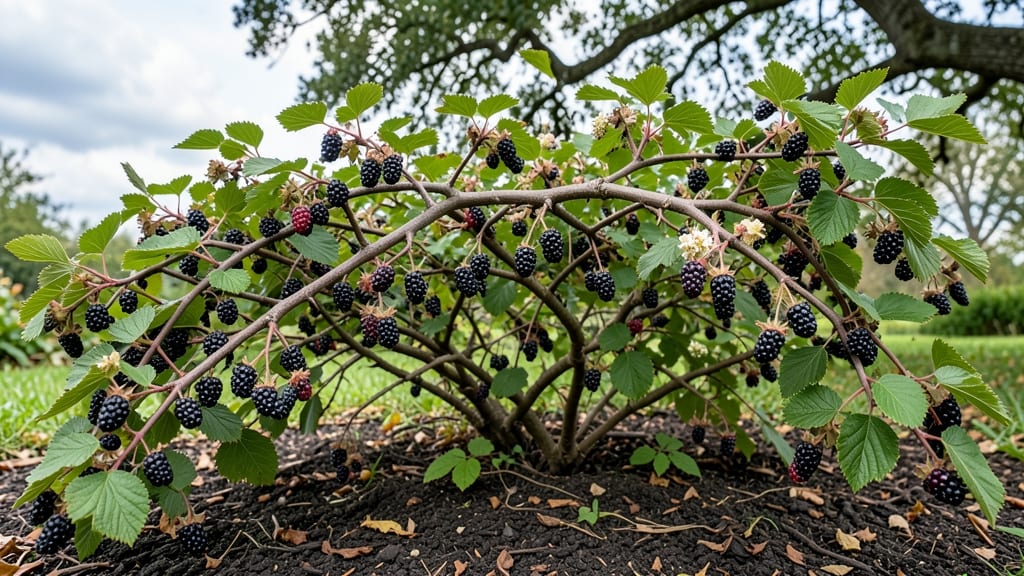
Blackberry bushes can grow between 6 and 12 feet tall, turning your garden into a towering, fruit-filled jungle if you don’t plan ahead.
Picture this: a 10-foot-tall 🫐 vine arching over your fence, its canes heavy with ripe berries by summer. That’s the kind of growth you get with standard varieties—but it doesn’t have to overwhelm your space. The right variety, pruning, and trellis can keep them manageable while maximizing those juicy yields.
Thornless types like ‘Cheyenne’ or ‘Natchez’ stay on the shorter side (5-8 feet), while traditional varieties like ‘Triple Crown’ can stretch toward 12 feet if left unchecked.
Sunlight, soil, and pruning all play a role in how tall they’ll climb, and I’ll break down how to control their height without sacrificing fruit.
Ready to turn that sprawling potential into a well-trained, high-yielding blackberry patch? Here’s how to manage their growth—from planting to harvest—so you get the berries without the jungle.

Blackberry bush height by variety: tallest and shortest cultivars compared
When planning your blackberry patch, knowing the height potential of different varieties is essential. Some canes reach 10+ feet while others stay compact at 3-5 feet. The difference often comes down to whether they're thornless or thorny, and whether they fruit on primocanes (fall-bearing) or floricanes (summer-bearing).
Let's break down the tallest and shortest varieties to help you choose the perfect fit for your space.
For home gardeners with limited space, thornless varieties like 'Arapaho' and 'Natchez' are excellent choices, typically reaching 5-7 feet at maturity. These varieties also produce fruit on floricanes, meaning they bear in summer.
Meanwhile, traditional thorny varieties like 'Cheyenne' and 'Black Satin' can grow 8-12 feet tall, requiring more space and sturdy trellising.
If you're looking for fall-bearing varieties that fruit on primocanes, expect even more vigorous growth. Varieties like 'Prime-Ark Freedom' and 'Prime-Jim' can reach 8-10 feet and produce fruit on new canes each year. These types often need more aggressive pruning to manage their height and ensure good air circulation.
| Variety | Type | Height Range | Fruiting Season | Thorns | Space Needs |
|---|---|---|---|---|---|
| Arapaho | Thornless | 5-7 ft | Summer | None | 4-6 ft wide |
| Natchez | Thornless | 5-7 ft | Summer | None | 4-6 ft wide |
| Cheyenne | Thorny | 8-12 ft | Summer | Yes | 6-8 ft wide |
| Prime-Ark Freedom | Thornless | 8-10 ft | Fall | None | 6-8 ft wide |
| Black Satin | Thorny | 8-12 ft | Summer | Yes | 6-8 ft wide |
| Prime-Jim | Thornless | 8-10 ft | Fall | None | 6-8 ft wide |
| Triple Crown | Thornless | 6-8 ft | Summer & Fall | None | 5-7 ft wide |
| Factor | Effect on Height | Control Tip |
|---|---|---|
| Sunlight | Full sun = 8-12 ft; partial shade = 4-6 ft | Plant in full sun for max height; prune lower branches in shade |
| Soil Type | Well-draining = faster growth; clay = slower, stunted | Amend clay soil with compost or sand |
| Pruning | Regular pruning = 5-8 ft; none = 10-12 ft | Prune old canes in late winter and new growth in summer |
| Climate Zone | Warmer zones = taller, faster growth; cooler = shorter, slower | Use trellis systems in warm climates to control spread |
Your soil type also plays a critical role. Blackberries prefer well-draining, slightly acidic soil (pH 5.5-6.5). In my heavy clay soil, the bushes struggled to grow taller than 5 feet until I added organic matter.
Amending the soil with compost or peat moss can help them reach their full height potential, especially for varieties like ‘Natchez’ or ‘Arapaho’, which are known for their vigorous growth.
Pruning practices are another game-changer. I’ve learned that annual winter pruning keeps blackberries at a manageable 5-8 feet tall, while neglecting pruning can lead to unruly 10-12 foot monsters.
For floricane-fruiting varieties (summer-bearing), I remove old canes after harvest, and for primocane-fruiting types (fall-bearing), I prune in late winter to encourage new growth. This not only controls height but also improves air circulation and fruit quality.
If you’re in a warmer climate (Zones 8-10), blackberries grow faster and taller due to longer growing seasons. In these areas, I recommend using trellis systems or espalier training to guide their growth upward and prevent them from sprawling.
For cooler climates (Zones 5-7), growth is slower, but with proper care, you can still achieve 6-8 feet tall bushes. Using a wire trellis or T-post system helps contain their spread while making harvests easier.
Finally, don’t underestimate the power of watering and fertilization. Consistent moisture and balanced nutrients (like a 10-10-10 fertilizer) encourage robust growth. In my garden, I’ve seen blackberries grow 3 feet taller in one season when given proper care compared to neglected plants.
With the right conditions, you can enjoy a productive, manageable blackberry patch without the chaos of uncontrolled growth. 🫐🌿