| Wind Resistance | Lockable base design | ★★★a
Buying guide: how to choose the right bush protectors for winter
1. Material Type and Breathability 💡
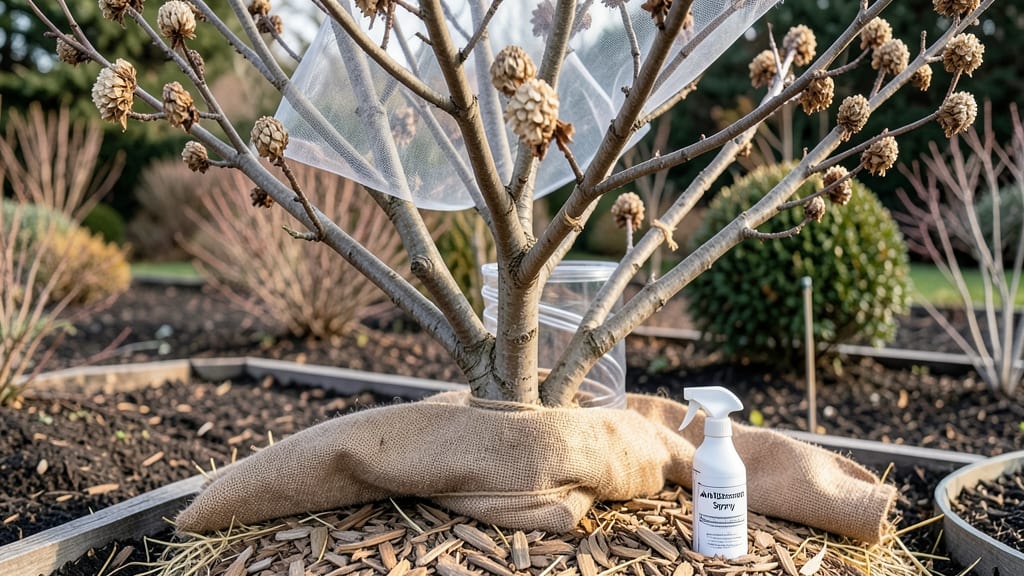
Material is the most critical factor—it determines how well your protector balances insulation, airflow, and durability. Fabric options like frost cloth (my top pick) or insulated fleece excel at breathability, preventing mold while trapping heat. Plastic domes offer maximum UV protection but risk condensation if not ventilated. For large hedges, burlap wraps provide sturdy, reusable coverage, though they’re less breathable than fabrics. Counterintuitively, heavier materials aren’t always better—overly thick covers can suffocate plants. I recommend frost cloth for most gardeners (zones 5-9) as it strikes the perfect balance, while plastic domes work best in windy areas where fabric might flap.
2. Size and Coverage Capacity ⚡
Size matters more than you’d think—too small leaves gaps for cold air, while too large creates dead space that traps moisture. Measure your bush’s height and width at maturity, then add 12-18 inches for overlap.
For example, a 4x6-foot frost cloth fits bushes up to 4 feet tall, but a 36-inch plastic dome is ideal for compact shrubs like azaleas. Large hedges (6+ feet) need wire-frame protectors or burlap wraps with extra length.
Pro tip: If protecting multiple bushes, opt for oversized covers (like 6x8-foot fleece) to minimize gaps between plants. For young trees or vulnerable species, prioritize full-coverage options—even if it means investing in a slightly larger size.
3. Durability and Reusability ✅
Winter protectors should last multiple seasons, so check for stitching quality, UV resistance, and material thickness. Frost cloth and polycarbonate domes are the most durable, while burlap degrades faster but remains cost-effective for short-term use.
Avoid flimsy plastic sheets—they tear easily and don’t provide long-term protection. Insulated fleece is a premium choice for high-value plants, as its double-layered design resists wear. For heavy snowfall areas, look for reinforced seams or metal frames (like the wire-frame protector).
I’ve seen cheap covers fail after one winter—don’t skimp here if you want year-after-year reliability.
4. Ease of Installation and Removal 🔍
No one wants to wrestle with cumbersome protectors during freezing temps or heavy rain. Prioritize lightweight, adjustable designs—like drawstring frost cloths or lockable plastic domes—that go on/off in minutes. Burlap wraps require staples or twine, which can be tedious for large hedges, while wire-frame protectors need assembly.
For small bushes, the plastic dome is the easiest to use; for large shrubs, frost cloth with elastic edges is a game-changer. Avoid products with complex fasteners—you’ll regret fumbling in the cold. Test-fit your protector before winter hits to ensure a snug, secure seal without restricting growth.
5. Climate and Regional Considerations 🛡️
Your hardiness zone dictates the best material. In zones 3-5, opt for insulated fleece or double-layered covers—they trap heat better than single-layer fabrics.
For zones 6-9, frost cloth or plastic domes suffice, as temps rarely drop below 10°F. In windy coastal areas, plastic domes with lockable bases prevent flapping, while snow-prone regions need sturdy frames (like the wire-frame protector).
If you’re in a mild winter zone, burlap alone might work, but layer it with frost cloth for extra security. Always check local frost dates—install protectors 2-3 weeks before the first freeze for best results.
6. Budget vs. Long-Term Value 💰
Budget-friendly options (like burlap or plastic domes) start at entry-level pricing, but mid-range frost cloth offers the best balance of cost and performance. Premium insulated fleece is a significant investment but pays off for high-value landscaping. If you’re on a tight budget, plastic domes provide 98% UV protection for under mid-range pricing. For large gardens, wire-frame protectors are a high-end solution but pay for themselves in durability. Remember: A cheap cover that fails costs more in replacement plants than a quality protector that lasts. I recommend splurging on frost cloth or insulated fleece—they’re worth the investment for year-round peace of mind.
Frequently asked questions
Q: What are bush protectors for winter, and why do I need them?
1
Bush protectors for winter
are specialized covers designed to shield plants from freezing temperatures, heavy snow, and wind damage during the coldest months. They create a protective microclimate around bushes, preventing frost damage, dehydration, and even physical harm from ice accumulation. If you’ve ever seen your hydrangeas, azaleas, or young fruit trees turn brown and brittle after a hard freeze, you know how devastating winter damage can be. These protectors preserve your plants’ shape, health, and long-term growth, ensuring they bounce back strong in spring. I recommend using them for delicate shrubs, newly planted bushes, or high-value landscaping—especially in hardiness zones 3-7 where frost is a real threat.
Q: How do I choose the right size and type of bush protector for my plants?
Size is critical—too small leaves gaps for cold air, while too large creates dead space that traps moisture. Measure your bush’s height and width at maturity, then add 12-18 inches for overlap. For example, a 4x6-foot frost cloth fits bushes up to 4 feet tall, while a 36-inch plastic dome works best for compact shrubs like azaleas. For large hedges (6+ feet), opt for wire-frame protectors or oversized burlap wraps. As for material, frost cloth is ideal for most gardeners (zones 5-9) due to its breathability, while insulated fleece is better for extreme cold (zones 3-5). If you’re in a windy area, a plastic dome with a lockable base prevents flapping.
Q: When should I install bush protectors, and how long should I leave them on?
Install protectors 2-3 weeks before the first expected frost—this gives your plants time to adjust to the cover without stress. Leave them on until 2 weeks after the last frost date in your area, as late freezes can still occur. For evergreen bushes, remove covers during the day if temps rise above freezing to prevent mold buildup. If you’re in a snow-prone region, leave plastic domes on year-round to prevent snow damage, but secure them tightly to avoid sagging. Pro tip: Check weather forecasts weekly and adjust coverage if unseasonably warm or cold spells are predicted.
Q: What’s the difference between frost cloth, plastic domes, and burlap wraps?
2
Frost cloth
is the most versatile option—it’s breathable, lightweight, and reusable, making it perfect for small to medium bushes. It blocks 90% of UV rays while allowing airflow, preventing mold. Plastic domes offer maximum UV protection (98%) and are great for small, compact bushes in windy areas, but they can trap condensation if not ventilated. Burlap wraps are the most budget-friendly and sturdy, ideal for large hedges, but they’re less breathable and may need staples for secure fit. For extreme cold, insulated fleece provides the best heat retention, while wire-frame protectors are best for large-scale gardens with heavy snow loads.
Q: Are bush protectors worth the investment, or can I use cheaper alternatives?
While you can use old bedsheets, cardboard boxes, or even snow piles as emergency covers, they won’t provide the long-term protection or durability of dedicated bush protectors. Cheap alternatives often tear easily, trap moisture, or fail in heavy wind/snow, leading to more damage than protection. A mid-range frost cloth or plastic dome is a smart investment—it’s reusable for multiple seasons and prevents costly plant replacements. For high-value landscaping, premium insulated fleece is worth the price for its added insulation and hygiene. Think of it as insurance for your garden—the cost of a protector is far less than the cost of losing a prized bush.
Q: How do I prevent mold or condensation inside bush protectors?
Mold and condensation are common issues, especially with plastic covers. To prevent them, choose breathable materials like frost cloth or insulated fleece, which allow airflow while trapping heat. If using a plastic dome, leave the top slightly open or add small ventilation holes (covered with mesh) to reduce humidity. For evergreens or large bushes, remove covers during the day if temps rise above freezing to let moisture escape. Avoid over-tightening fabric covers, as this restricts airflow. If you notice mold, rinse the protector with water and a mild bleach solution before reusing it. Always store covers in a dry, well-ventilated area between seasons.
Q: Can I reuse bush protectors year after year, and how do I store them?
Yes! Most high-quality bush protectors, like frost cloth, plastic domes, and insulated fleece, are designed for multiple seasons if stored properly. After removing them in spring, clean them thoroughly—wash fabric covers with mild soap and air-dry, and wipe down plastic domes with a damp cloth. Store them in a cool, dry place, away from direct sunlight (which degrades materials) and pests. Roll fabric covers instead of folding to prevent creases, and keep plastic domes in their original packaging or a sturdy storage bin. With proper care, a mid-range frost cloth or plastic dome can last 5+ years, making them a cost-effective solution for long-term garden protection.
★★★★★5.0(8 reviews)
|