
Shrubs
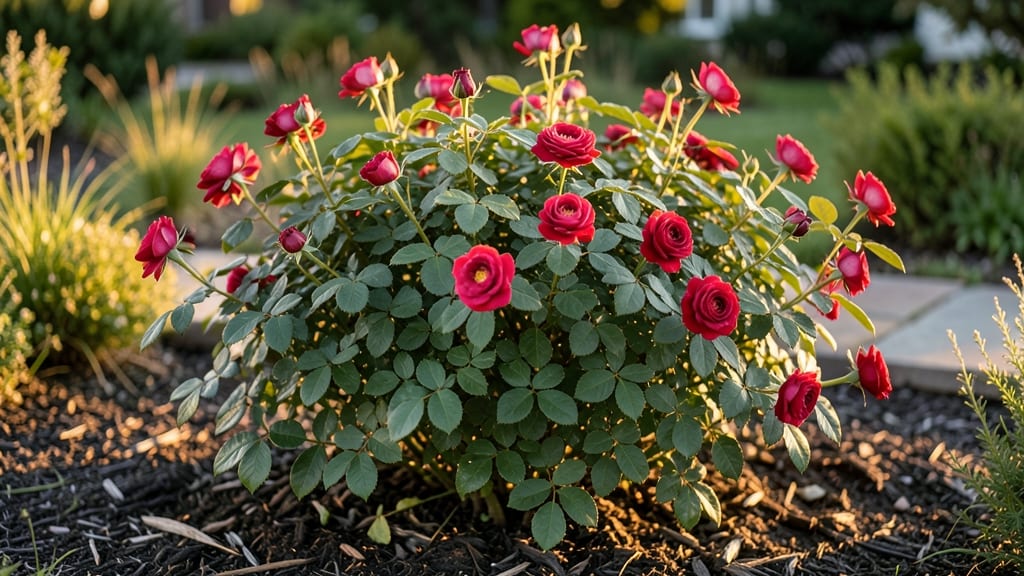
Cold-resistant evergreen rose bushes keep your garden vibrant even when snow blankets the ground. 🌿 These roses defy winter's chill with glossy, dark green leaves that stay lush year-round, while still producing stunning blooms in spring and fall.
I've grown them in zones 5-8, and they never fail to impress with their hardiness and beauty.
The secret to their success lies in the right conditions: full sun (at least 6 hours daily), well-draining soil, and protection from harsh winds. Most evergreen roses thrive in zones 5-9, making them perfect for northern climates where traditional roses struggle.
Choose varieties like 'Knock Out' or 'Dr. Huey' for foolproof results—both bloom continuously and resist disease better than many hybrid teas.
With proper care, you'll enjoy fragrant blooms from spring to frost, plus foliage that stays green even in winter. Pruning is simple: just remove dead wood in late winter and shape lightly after blooming.
Water deeply once a week (more in extreme heat), and you'll have a bush that looks stunning year after year with minimal effort.
These roses are perfect for hedges, borders, or standalone garden focal points. Unlike deciduous roses, they never look bare in winter, giving your landscape color and structure when other plants have gone dormant. Start with one this season, and you'll wonder why you didn't add them sooner!
📚 In This Guide
- What you need
- Instructions
- Tips and common mistakes
- Wrapping up and next steps
What you need
- ● Evergreen rose bush: Choose a cold-hardy variety like Rosa 'Knock Out' or Rosa 'Dr. Huey' (ensure it's labeled for your hardiness zone).
- ● Well-draining soil: 5-10 bags (1 cubic yard total) of a mix like 50% garden soil, 30% compost, and 20% perlite/sand.
- ● Organic fertilizer: 1 lb of balanced 10-10-10 or rose-specific fertilizer (e.g., Espoma Rose-Tone).
- ● Mulch: 2-3 bags of wood chips or pine straw (3-4 inches deep).
- ● Watering can or hose: With a gentle spray nozzle (1-2 gallons capacity).
- ● Pruning shears: Bypass-type (sharp, 6-8 inch blades).
- ● Gloves: Heavy-duty gardening gloves (for protection and grip).
- ● Stakes or rose trellis: 2-4 5-foot metal or wooden stakes (for support).
- ● Tie-down clips: 6-10 plastic or fabric plant ties.
- ○ Soil pH test kit: To ensure your soil is slightly acidic (6.0-6.5)—optional but helpful!
- ● Rose food spikes: 2-4 slow-release fertilizer spikes (for convenience).
- ● Drip irrigation kit: For automated watering (great for winter care!).
- ● Frost cloth: 1 roll (for extra protection in harsh winters).
- ● Compost bin: To recycle yard waste into nutrient-rich soil.
- ● Hand trowel: For gentle soil adjustments.
Step-by-Step guide to planting and caring for evergreen rose bushes
Cold-resistant evergreen roses stay lush year-round with the right care—here’s how to plant and nurture them for lasting beauty.
🌱 Step 1: Select the Right Location and Prepare the Soil
Choose a spot with at least 6 hours of sunlight daily—south-facing is ideal. Evergreen roses thrive in well-draining soil with a pH between 6.0 and 6.5. If your soil is heavy clay, mix in 2 inches of compost and 1 inch of coarse sand to improve drainage. I always test soil moisture before planting: press your finger 2 inches deep—if it feels dry, the site is ready.
Dig a hole twice as wide as the rose bush’s root ball but only as deep. Loosen the roots gently if they’re circling—this encourages outward growth. Place the bush in the hole so the graft union (a slight bump near the base) sits 2 inches above soil level. This prevents root rot in winter.
☀️ Step 2: Plant and Water Deeply for Strong Establishment
Backfill the hole with native soil, tamping lightly to remove air pockets. Water deeply until the soil is saturated 6 inches down. Evergreen roses need consistent moisture, especially in their first year, but avoid soggy soil—it invites fungal diseases. I use a soaker hose for the first watering to ensure even saturation without disturbing the roots.
Apply 2 inches of mulch around the base (but not touching the stem) to retain moisture and protect roots from winter cold. Use pine bark or shredded leaves—they break down slowly and improve soil structure over time. After planting, water every 2-3 days until new growth appears, then adjust based on rainfall.
✂️ Step 3: Prune for Shape and Health in Early Spring
Prune evergreen roses just before new growth starts in early spring. Remove dead, crossing, or weak branches first—this opens the center for airflow and sunlight. Cut back remaining stems by one-third to encourage bushier growth. Use clean, sharp pruners at a 45-degree angle just above an outward-facing bud.
Here’s the thing—evergreen roses bloom on new wood, so don’t over-prune. If you cut too much, you’ll sacrifice flowers. Watch for new leaf clusters after pruning; this signals the plant is recovering. Fertilize lightly with balanced rose food (10-10-10) once buds form to support blooming.
💧 Step 4: Winterize for Cold Resistance
In Zone 6 and colder, mound 4-6 inches of soil or mulch around the base of the bush in late fall to insulate roots. Evergreen roses handle cold better than hybrid teas, but their foliage can scorch in harsh winters. Wrap the canes loosely with burlap if your area gets below 10°F—this prevents windburn without trapping moisture.
Reduce watering in late fall but keep the soil slightly moist. Overwatering in winter stresses roots. In early spring, remove the mulch mound and burlap as soon as buds swell. You’ll see pink or green buds in late winter—this is your cue to resume regular care.
🌿 Step 5: Maintain Year-Round with Minimal Effort
Evergreen roses reward low-maintenance care. Deadhead spent blooms monthly to encourage continuous flowering. Feed once in early spring with slow-release fertilizer—over-fertilizing leads to weak growth. Watch for aphids or spider mites on new shoots; spray with neem oil if you spot sticky residue on leaves.
These roses thrive with minimal pruning after the first year. Just shape lightly in spring and remove suckers (shoots growing below the graft union)—they drain energy from the main plant. With the right site and care, your evergreen rose bush will stay vibrant through all four seasons.
Tips & tricks for growing cold-hardy evergreen roses
Evergreen roses are the unsung heroes of the garden—here's how to keep them thriving through every season.
Location is Everything: While the instructions mention 6 hours of sunlight, I've found that south-facing spots with afternoon shade in hot climates actually help prevent leaf scorch. Evergreen roses can handle more sun than you might think, but in Zone 7 and above, watch for crispy edges after long afternoon exposure. If your garden gets intense afternoon heat, consider a site with morning sun and afternoon shade—this keeps foliage lush and vibrant all year.
Soil Prep Secret: That 2-inch compost and 1-inch sand mix in Step 1 is crucial, but don't stop there. I like to add a handful of perlite to the hole before planting—it improves drainage even more than sand alone. For heavy clay soils, you might need to go deeper with amendments, especially if you notice water pooling around the base after watering. The goal is to mimic a well-draining, slightly sandy loam that these roses love.
Watering Wisdom: The instructions recommend watering every 2-3 days until new growth appears, but I've learned this can vary dramatically based on your local climate. In my experience, evergreen roses actually prefer deep, infrequent watering rather than frequent shallow drinks. Let the top 2 inches of soil dry out between waterings—this encourages deeper root growth. You'll know you're doing it right when you see new shoots emerging from the base of the plant rather than just the top.
Winter Protection Upgrade: For areas colder than Zone 6, where the instructions suggest mounding soil, I've found that adding a layer of straw mulch on top of the soil mound provides even better insulation. The straw acts like a blanket, protecting both the roots and the canes from extreme temperature swings. Just make sure to remove it in early spring once buds appear—you don't want it to trap too much moisture when temperatures rise.
Pro Tips for Evergreen Rose Bush
- Evergreen roses are the unsung heroes of the garden—here's how to keep them thriving through every season.
- Location is Everything: While the instructions mention 6 hours of sunlight, I've found that south-facing spots with afternoon shade in hot climates actually help prevent leaf scorch.
- Soil Prep Secret: That 2-inch compost and 1-inch sand mix in Step 1 is crucial, but don't stop there.
Frequently asked questions
Got questions about keeping your evergreen rose bush thriving? You’re not alone! Here are answers to the most common queries—from planting to winter care—to help you grow a stunning, cold-hardy rose garden all year long.
Can evergreen rose bushes really survive winter without extra protection?
Yes! Many cold-resistant varieties like Rosa rugosa or Knock Out® roses stay evergreen and tolerate temps down to -20°F (-29°C) with proper care. Still, mulch heavily (4–6 inches) and water deeply before freeze to protect roots. For extra safety, wrap young canes with burlap or frost cloth.
How long does it take for an evergreen rose bush to establish and bloom?
Patience pays off! Most evergreen roses take 1–2 years to establish roots and 2–3 years to reach full blooming potential. Prune lightly the first year to encourage root growth, then fertilize in early spring. Varieties like Dr. Huey or Belinda’s Dream often bloom faster (1–2 years).
What’s the best alternative if my evergreen rose bush isn’t thriving?
If your rose struggles with pests, disease, or poor soil, consider these low-maintenance evergreen shrubs:
- Abelia – Drought-tolerant, fragrant blooms, and deer-resistant.
- Camellia sasanqua – Winter-blooming, glossy leaves, and cold-hardy to 10°F (-12°C).
- Oakleaf Hydrangea – Stunning fall color and semi-evergreen foliage.
Why are my evergreen rose leaves turning yellow or dropping?
Yellow leaves often signal overwatering, nutrient deficiency, or fungal issues. Check these fixes:
Issue
Solution
Yellow edges
Lack of iron or magnesium—apply chelated iron or compost.
Black spots
Fungal disease—prune infected leaves, space plants for airflow, and spray neem oil.
Wilting
Root rot—improve drainage and reduce watering.
Pro tip: Test soil pH (6.0–6.5 is ideal for roses) and avoid wetting foliage when watering.
Do evergreen roses need pruning in winter?
Light pruning is safe in late winter (Feb–March) to shape the bush and remove dead wood. Avoid heavy cuts—evergreen roses bloom on old wood, so prune sparingly. Wait until after the last frost to encourage new growth. Use sterilized shears to prevent disease spread.
Wrapping up and next steps
An evergreen rose bush brings timeless beauty and resilience to your garden, thriving even in colder climates. With the right cold-resistant varieties, proper care, and a little patience, you’ll enjoy vibrant blooms and lush foliage year-round.
Whether you’re a seasoned gardener or just starting, this guide gives you the confidence to cultivate a stunning, low-maintenance shrub that keeps your landscape vibrant.
Ready to transform your outdoor space? Pick your favorite evergreen rose variety and start planting today—your garden’s future beauty is just a season away! 🌹✨