
Pruning
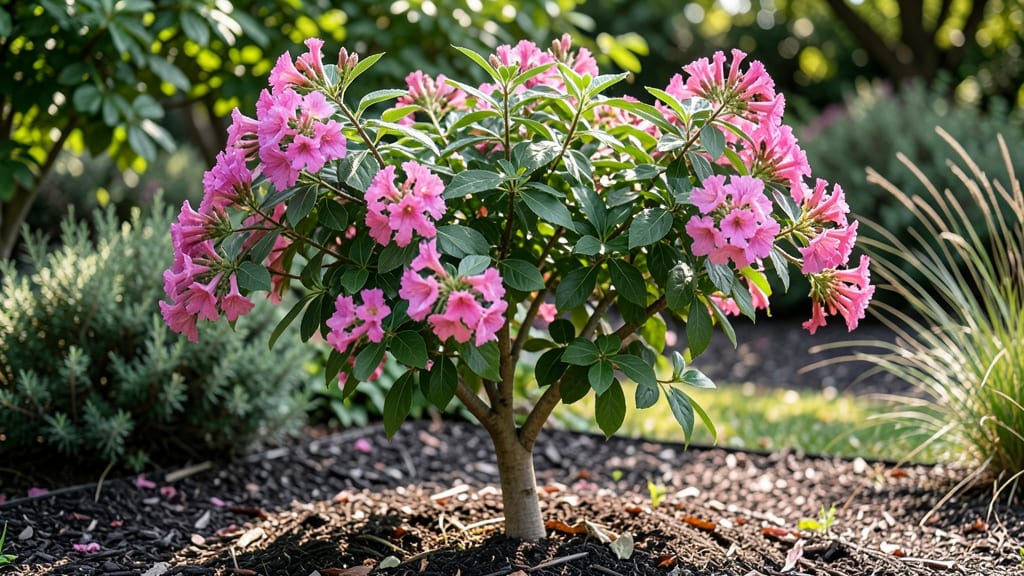
Your pink willow bush could look like a showstopper all year if you time those four seasonal pruning cuts right. ✂️ I learned the hard way—my first attempt left it looking like a sad, tangled mess by summer.
The secret isn't cutting more, but cutting when the plant naturally wants to grow. This bush thrives in full sun to partial shade and well-drained soil, but its real magic happens in the timing.
Prune right after flowering in spring to encourage dense growth, then again in summer to shape it, followed by light cleanups in fall and winter to prevent dead branches from weighing it down.
Most people skip the winter cut—that's when you remove anything crossing or rubbing, so spring growth starts strong. By following this schedule, you'll end up with a bush that's vibrant pink from spring blooms, lush green foliage all summer, and even golden-yellow fall color.
The branches grow long and graceful, perfect for creating living privacy screens or dramatic focal points in your landscape. Works in zones 4-9, and the same principles apply whether you're pruning a 5-foot bush or a 15-foot tree. Here's exactly how to do each seasonal cut without stressing the plant.
📚 In This Guide
- What you need
- Instructions
- Tips and common mistakes
- Wrapping up and next steps
What you need
- ● Pruning shears: Bypass pruners (sharp, 5–7 inches) for clean cuts on small branches.
- ● Loppers: 8–12 inch loppers for thicker branches (½–1.5 inches in diameter).
- ● Pruning saw: Curved-tooth saw for branches over 1.5 inches thick.
- ● Disinfectant (70% isopropyl alcohol or bleach solution): 1 part bleach to 9 parts water (for sanitizing tools).
- ○ Garden gloves: Heavy-duty, cut-resistant gloves (optional but recommended for thorns).
- ● Rake or broom: For clearing debris after pruning.
- ○ Pruning sealant (optional but helpful): For sealing large cuts (e.g., tree wound pruning paste).
- ● Extension pole: For reaching high branches safely.
- ● Sharpener: File or stone to keep blades in top condition.
- ● Mulch: Organic mulch (2–3 inches) to protect roots post-pruning.
- ● Notebook & pen: To track pruning dates and notes on growth patterns.
- ● Safety goggles: If working in dusty or windy conditions.
How to prune pink willow bushes for year-round beauty
Here's the seasonal approach I use to keep my pink willow bushes lush and vibrant through every season.
✂️ Step 1: Late Winter Cleanup (Before New Growth)
Start your pruning in late winter, just as buds begin to swell but before any new growth appears—this is the perfect time to shape the bush and remove dead wood. Grab your sharp pruning shears and gloves (willow branches can be thorny). I always begin by removing any branches that are dead, diseased, or crossing each other—these compete for energy and weaken the plant.
Look for branches that are completely brown inside when you cut them open, or those that look brittle and dry. Cut these back to the main trunk or a healthy lateral branch. This step ensures your bush starts the season strong and reduces the risk of pests or disease spreading. Real talk: If you see any branches with blackened or mushy spots, cut those out immediately—they’re a sign of fungal issues.
☀️ Step 2: Spring Growth Shaping (After Flowering)
Once your pink willow bush finishes flowering in early to mid-spring, it’s time to shape the bush for the season ahead. Use your pruning shears to trim back any overgrown branches by about one-third of their length. This encourages bushier growth and more vibrant blooms next year. I like to step back and look at the bush as a whole—imagine a balanced, rounded shape with plenty of airflow in the center.
Focus on thinning out the interior branches to let light and air reach the center of the bush. This prevents mold and encourages new growth from the base. If you notice any suckers—those small shoots growing from the base—remove them unless you want to propagate new plants. Here’s the thing: Pink willows can get leggy if you don’t prune regularly, so don’t skip this step.
✂️ Step 3: Summer Light Trimming (Mid-Season Maintenance)
During the summer months, your pink willow bush will need light maintenance to keep it looking its best. Grab your pruning shears again and trim back any branches that are growing too long or looking unruly. The goal here is to maintain the shape you established in spring while encouraging new growth. I usually do this in early summer, just as the bush is really taking off.
Watch for branches that are growing outward too aggressively or rubbing against each other—these should be trimmed back to a healthy bud or branch. You’ll also want to remove any spent flowers or seed pods to keep the bush looking tidy. A quick once-over every 4-6 weeks keeps the bush from getting too wild. Don’t overdo it, though—you’re just tidying up, not reshaping.
🍂 Step 4: Fall Preparation (Before Dormancy)
As the seasons change and fall approaches, your pink willow bush will start to slow down. This is the time to do a final pruning to prepare it for winter. Remove any dead, diseased, or weak branches first—these won’t survive the cold and can harbor pests. Then, trim back any branches that are growing too long or looking out of place. The goal is to give the bush a clean, streamlined look heading into dormancy.
I also like to give the bush a light shaping trim to remove any branches that might be damaged by snow or ice. If you live in a particularly cold climate, you might want to wrap the base of the bush with burlap or mulch to protect it from freezing temperatures. This step ensures your pink willow bush wakes up strong in the spring, ready for another season of beautiful blooms.
Tips & tricks for pruning pink willow bushes
Here's what nobody tells you about keeping your pink willow bushes thriving all year—these tricks make the difference between a bush that just survives and one that truly shines.
Tool Prep: Before you even touch the branches, make sure your pruning shears are sharp and clean. Dull blades tear wood, creating larger wounds that invite disease. I wipe mine down with rubbing alcohol after each use to prevent spreading any fungal spores between cuts. This small step can save your bush from serious health issues down the line.
Seasonal Timing Secret: In Step 1, when you're doing your late winter cleanup, pay close attention to those bud swellings—they're your perfect cue. If you prune too early, you'll remove potential growth; too late, and you'll be cutting back new shoots. I mark my calendar for when forsythia blooms in my area (they're early spring indicators) to time my pruning perfectly. This ensures your bush gets the fresh start it needs without sacrificing next year's blooms.
Shape Strategy: For Step 2's spring shaping, I use the "thirds rule" as my guide: trim back any branches that have grown more than one-third beyond their ideal length. This creates that lush, rounded shape while encouraging new growth from the base. Pro tip: Step back every few cuts to visualize the overall shape—you're sculpting a living work of art, not just hacking at branches!
Summer Maintenance Hack: During the summer months, I set a reminder every 6 weeks to do my light maintenance. I grab my pruners and do a quick walk-around, focusing on just three things: removing spent flowers, trimming aggressive outward growth, and checking for any branches that might be crowding the center. This keeps the bush looking polished without overwhelming you with a big pruning session.
Pro Tips for Pink Willow Bush
- Here's what nobody tells you about keeping your pink willow bushes thriving all year—these tricks make the difference between a bush that just survives and one that truly shines.
- Tool Prep: Before you even touch the branches, make sure your pruning shears are sharp and clean.
- Seasonal Timing Secret: In Step 1, when you're doing your late winter cleanup, pay close attention to those bud swellings—they're your perfect cue.
Frequently asked questions
Got questions about keeping your pink willow bush looking its best year-round? We’ve got answers!
Whether you’re a pruning pro or just starting out, these FAQs will help you master seasonal cuts and avoid common pitfalls.
When is the best time to prune a pink willow bush for maximum blooms?
The ideal time is late winter or early spring (February–March), just before new growth begins. This encourages vibrant blooms in spring and summer. Avoid heavy pruning in fall—it can stimulate tender growth that won’t survive winter. For light shaping, summer pruning is fine, but avoid cutting back more than 1/3 of the plant at once.
Should I prune pink willow bushes in winter? What about frost?
Prune only on mild winter days (above 30°F)—never in freezing temps or during frost. Cold stress weakens the plant, making it vulnerable to disease. If you must prune in winter, focus on removing dead or diseased branches and avoid heavy cuts. Wait for spring to do major shaping. Pro tip: Wear gloves—willow branches can be sharp!
How do I revive an overgrown or leggy pink willow bush?
If your bush looks woody and sparse, it’s time for a rejuvenation cut! In late winter, prune back 1/2 to 2/3 of the plant to just above a strong bud or branch. This encourages new, bushier growth. Water deeply after pruning and fertilize lightly in spring. Patience is key—it may take a season or two to fill out again!
Are pink willow bushes prone to pests or diseases? How can I prevent them?
Pink willows are generally low-maintenance, but watch for aphids, spider mites, or fungal issues like powdery mildew. To prevent pests, prune for airflow and avoid overhead watering. If you spot aphids, blast them off with water or use neem oil. For mildew, trim infected branches immediately and apply fungicide if needed. Healthy soil = happy plant!
Can I grow pink willow bushes in containers? What’s the best alternative if I don’t have garden space?
Yes! Pink willows thrive in large containers (at least 20+ gallons) with well-draining soil. Use a fast-draining mix (like 60% potting soil + 30% perlite + 10% sand) and repot every 2–3 years. For small spaces, consider dwarf varieties like Salix purpurea ‘Nana’ or opt for ornamental grasses (e.g., Miscanthus) for similar texture and movement.
Wrapping up and next steps
The pink willow bush is a stunning addition to any garden, and with the right pruning techniques, you can enjoy its vibrant beauty year-round! 🌸 By following the four seasonal cuts—spring shaping, summer thinning, fall cleanup, and winter renewal—you’ll keep your bush lush, healthy, and full of color.
Whether you’re a pruning pro or just starting, these steps make maintenance simple and rewarding.
Ready to transform your outdoor space? Grab your tools and start pruning today! Your pink willow bush will thank you with blooms that steal the show in every season. 🌿✨