
Flowers
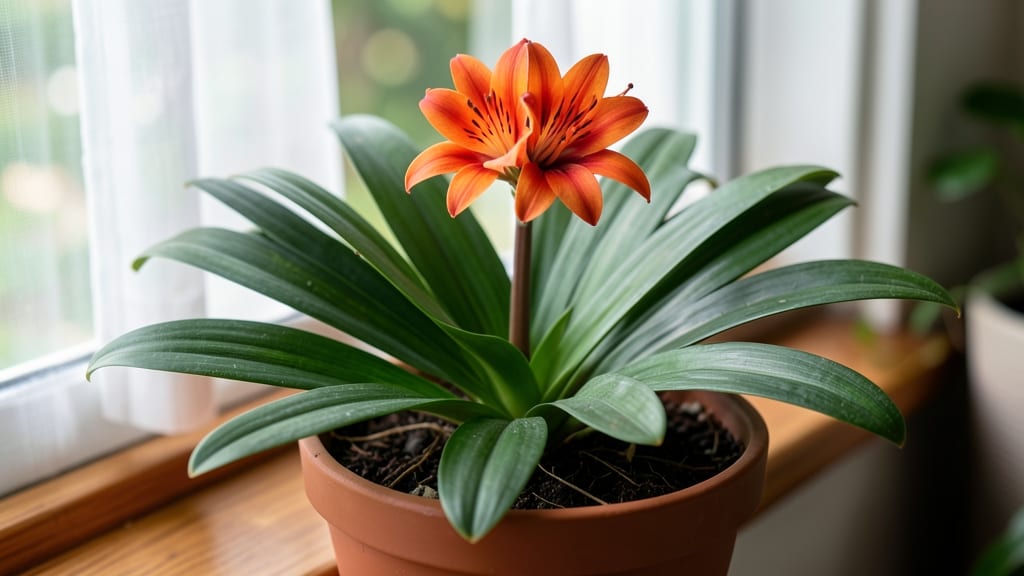
The bold, trumpet-shaped bush lily flowers bring jungle drama to your home year-round. 🌿 I’ve grown them for years, and they’re the perfect houseplant for people who want color without fuss. The secret isn’t complicated: they thrive on neglect, just as long as you get the light and soil right.
These tropical beauties love bright, indirect light—think east or west windows—or a grow light if your space is dim. Well-draining potting mix (add perlite or orchid bark) prevents root rot, and they’re happy in 60-75°F temperatures.
Water only when the top inch of soil feels dry, and they’ll reward you with stunning orange or yellow blooms in late winter or early spring.
Pruning is minimal—just remove dead leaves after flowering—but propagation is where things get fun. Divide mature clumps in spring, and you’ll have new plants ready to share. Even beginners nail this: my first clivia bloomed within a year of planting.
Troubleshooting is simple: yellow leaves? Too much water. No blooms? Needs more light. With the right setup, these plants stay lush and productive for decades. Here’s how to keep yours thriving all year.
📚 In This Guide
- What you need
- Instructions
- Tips and common mistakes
- Wrapping up and next steps
What you need
- ● Bush lily bulbs or seeds: 3–5 bulbs (or 10–20 seeds for propagation) – choose healthy, firm specimens with no soft spots.
- ● Well-draining potting mix: 1–2 bags (5–10 gallons) of a blend like cactus/succulent mix + perlite/coarse sand (ratio: 2:1 for bulbs, 3:1 for seeds).
- ● Containers or garden bed: For pots: 6–8" diameter containers with drainage holes (1 bulb per pot).
- ● For in-ground: Partial shade spot with loose, fertile soil (amend with compost if needed).
- ● Fertilizer: Balanced, slow-release granular fertilizer (e.g., 10-10-10) or organic options like worm castings or fish emulsion.
- ● Watering can or hose with gentle spray nozzle: Avoid soggy soil—bush lilies hate wet feet!
- ● Garden trowel (for transplanting bulbs).
- ● Pruning shears (to trim dead foliage or divide clumps).
- ○ Glove (optional, for handling sharp-edged bulbs).
- ○ Mulch (e.g., pine bark or shredded leaves) (optional, for moisture retention in warm climates).
- ● Plant labels (to track varieties if growing multiple types).
- ● Climate: USDA Zones 9–11 (or containers for cooler zones—bring indoors if temps drop below 40°F/4°C).
- ● Light: Bright, indirect light (e.g., dappled shade under trees or east-facing windows).
- ● Patience: Bulbs take 2–3 years to bloom; seeds may take even longer!
How to grow bush lilies for year-round tropical drama
These bold bloomers bring drama to any garden—here's how to coax their vibrant colors into your space.
🌱 Step 1: Pick the Perfect Spot for Bush Lilies
Bush lilies (Clivia miniata) thrive in partial shade to dappled sunlight, making them ideal for under trees or on shaded patios. I always choose a location with morning sun and afternoon shade—this prevents leaf scorch while still giving them enough light to bloom. Avoid deep shade; your plants will grow leaves but rarely flower without some sunlight.
Check your spot by observing how sunlight moves across it throughout the day. If the area gets more than 4 hours of direct sun, especially in the afternoon, your bush lilies will need afternoon shade protection. A sheer curtain or lattice structure works well for filtering harsh rays while still allowing light through.
☀️ Step 2: Prepare the Soil for Healthy Growth
Bush lilies prefer well-draining, slightly acidic soil with a pH between 5.5 and 6.5. I mix equal parts peat moss, perlite, and garden soil to create the ideal growing medium. This combination ensures proper drainage while retaining enough moisture to support their tropical roots. If your native soil is heavy clay, amend it with compost and coarse sand to improve aeration.
Dig a hole twice as wide as the plant's root ball but only as deep as the container it came in. Loosen the sides of the hole with a fork to encourage root spread. Gently remove the plant from its container and place it in the hole, ensuring the top of the root ball sits just below soil level. Fill in around the roots with your prepared mix, pressing lightly to eliminate air pockets.
💧 Step 3: Water and Mulch for Consistent Moisture
Water your bush lilies deeply once a week during the growing season, allowing the top 2 inches of soil to dry out between waterings. Overwatering is the fastest way to kill these plants—soggy roots lead to rot. I use a soaker hose to deliver water directly to the root zone without wetting the leaves, which helps prevent fungal issues. In hot climates, you may need to water every 5-6 days depending on rainfall.
Apply a 2-inch layer of organic mulch around the base of the plant, keeping it 6 inches away from the stem. I prefer pine bark or shredded leaves because they break down slowly and improve soil structure over time. Mulch helps regulate soil temperature and reduces evaporation, keeping roots consistently moist without the risk of overwatering.
✂️ Step 4: Fertilize for Strong Blooms
Feed your bush lilies monthly during the growing season (spring through fall) with a balanced, water-soluble fertilizer (10-10-10 ratio). I dilute it to half-strength to avoid burning the roots. These plants are heavy feeders, so consistent nutrition is key to producing their signature bold blooms. Stop fertilizing in late summer to encourage a natural dormancy period, which helps trigger next year's flowers.
Watch for signs of nutrient deficiency—yellowing leaves often mean it's time to fertilize. If you notice pale green or purple-tinged leaves, your plant needs more phosphorus. Switch to a high-phosphorus fertilizer (like 5-10-5) for a few weeks to promote flowering. Always water thoroughly before and after applying fertilizer to prevent root burn.
🌿 Step 5: Prune and Care for Year-Round Beauty
After the blooming season, remove spent flower stalks by cutting them back to the base. This redirects the plant's energy into growing new leaves and roots for next year's blooms. I also trim any yellow or damaged leaves to keep the plant looking tidy and encourage new growth. Bush lilies are low-maintenance once established, but regular pruning keeps them compact and encourages more flowers.
In winter, reduce watering to every 3-4 weeks unless you're in a frost-free climate. These tropical plants appreciate a cool but not cold resting period. If temperatures drop below 40°F, move potted bush lilies to a sheltered location or indoors near a bright window. With proper care, your bush lilies will reward you with vibrant blooms year after year, adding a touch of tropical elegance to any garden.
Tips & tricks for growing stunning bush lilies
Here's what nobody tells you about keeping these tropical beauties thriving through every season.
Lighting Strategy: I've learned the hard way that bush lilies are more forgiving with light than most plants. If your spot gets morning sun but intense afternoon heat, use a sheer white shade cloth (50% block) to filter the sun without cutting off all light. This mimics their natural dappled sunlight environment while preventing leaf burn. Think of it as giving them a tropical sun dappled through the canopy.
Soil Science: The secret to that perfect soil mix isn't just about drainage—it's about creating a sponge-like texture. I press the peat moss and perlite mixture together before adding it to the hole. This creates air pockets that prevent compaction while still holding moisture. For an extra boost, add a handful of worm castings to the mix—they're packed with beneficial microbes that help roots establish faster.
Watering Wisdom: The "top 2 inches dry" rule works, but here's the trick: I always water in the morning so any excess has time to evaporate before evening. In containers, I check moisture by lifting the pot—if it feels light, it's time to water. And if you're using tap water, let it sit out overnight first. Bush lilies are sensitive to chlorine, which can cause leaf tip burn over time.
Fertilizer Timing: That late summer fertilizer pause is crucial, but don't stop too early. I aim to fertilize through early September, then taper off. The key is to match your plant's natural cycle—when days get shorter, bush lilies start preparing for their winter rest. If you fertilize too late, you'll get lots of leaves but few flowers next season. Think of it as helping them wind down for their tropical winter nap.
Pro Tips for Bush Lily Flowers
- Here's what nobody tells you about keeping these tropical beauties thriving through every season.
- Lighting Strategy: I've learned the hard way that bush lilies are more forgiving with light than most plants.
- Soil Science: The secret to that perfect soil mix isn't just about drainage—it's about creating a sponge-like texture.
Frequently asked questions
Got questions about growing or caring for bush lily flowers? You’re not alone! Here are some of the most common queries—plus quick, practical answers to keep your plants thriving.
Are bush lilies hard to grow for beginners?
Not at all! Bush lilies (Clivia miniata) are one of the easiest tropical plants to cultivate. They thrive in indirect light and tolerate occasional neglect, making them perfect for beginners. Just avoid overwatering and keep them in well-draining soil, and you’ll see stunning blooms in no time.
How long does it take for bush lilies to flower after planting?
Patience pays off! Mature bush lilies typically bloom 3–5 years after planting, though established plants may flower annually in ideal conditions. Young plants may take longer, so focus on consistent care—light, water, and humidity—to encourage faster growth and eventual blooms.
How often should I water bush lilies?
Water when the top 1–2 inches of soil feel dry—usually every 1–2 weeks, depending on humidity and light. Overwatering is the #1 killer, so ensure pots have drainage holes. Pro tip: Mist leaves occasionally to mimic their tropical habitat and prevent brown tips.
Can bush lilies grow in containers, or do they need a garden bed?
Both work! Bush lilies adapt well to containers (10–12 inches deep) as long as they have drainage. For garden beds, choose shady, sheltered spots with rich, slightly acidic soil. Containers offer more control over watering and soil quality—ideal for urban growers!
What pests should I watch for with bush lilies?
Keep an eye out for spider mites, mealybugs, and scale insects, which thrive in dry conditions. Wipe leaves with neem oil or soapy water if you spot pests. Boost humidity (aim for 50–70%) to deter infestations. Prevention tip: Inspect new plants before bringing them home!
Can bush lilies survive winter outdoors?
In USDA Zones 9–11, bush lilies can stay outdoors year-round. For colder climates (< Zone 9), move pots indoors before temps drop below 40°F (4°C)Bonus: They’ll reward you with spring blooms!
Wrapping up and next steps
Bush lilies are the perfect tropical statement for any garden—bold, low-maintenance, and packed with year-round charm! 🌿 Whether you're a seasoned gardener or just starting out, their striking foliage and vibrant blooms make them a rewarding addition.
With the right soil, sunlight, and a little patience, you’ll soon be enjoying their lush beauty without the fuss.
Ready to transform your space? Start small—try planting one or two bush lilies in a sunny spot and watch them thrive. Soon, you’ll be sharing your green thumb success with friends (or bragging on social media!). Happy planting! 🌺✨