
Plants
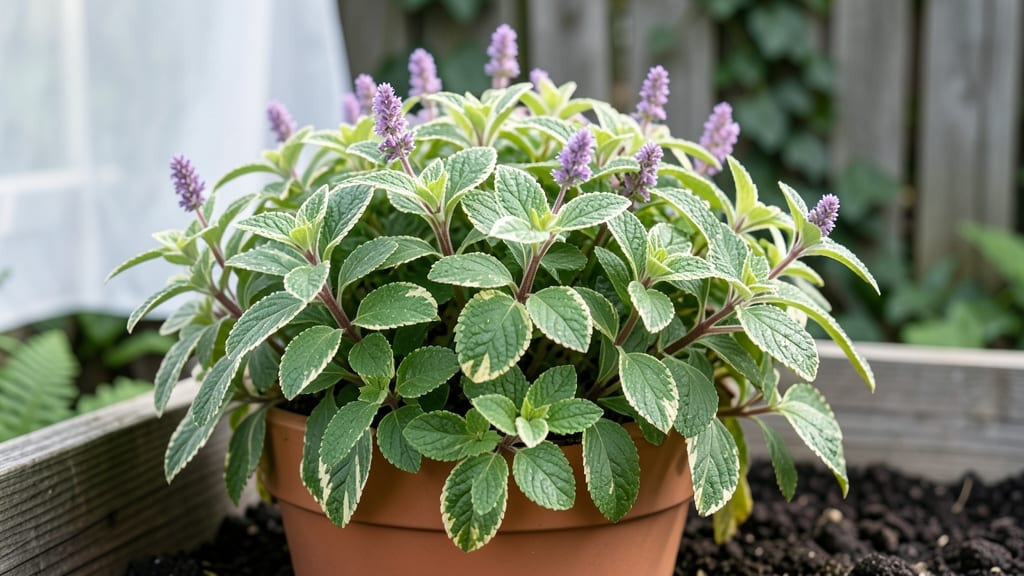
Variegated mint bush (Prostanthera cuneata 'Variegata') brings striking cream-and-green foliage and a whisper of minty fragrance to any garden. 🌿 I fell for it the first time I saw its bold, two-toned leaves—it’s not just another variegated plant, but one that thrives with minimal fuss and rewards you with year-round interest.
The key to keeping those gorgeous patterns lies in understanding its light and soil needs, which are far less finicky than you might think.
This bush loves bright, indirect light—think dappled shade or morning sun—to prevent the variegation from fading to plain green. Well-draining, slightly acidic soil (a mix of native soil and compost works wonders) keeps roots happy without smothering them.
Plant in spring or early fall when temperatures are mild, and give it space to spread—3-4 feet wide—so those fragrant leaves can shine without competition. Propagation from cuttings is easy, too: just snip a 4-inch stem, strip the lower leaves, and root it in water or moist soil.
Watering is where most people trip up: too much causes root rot, but too little makes the leaves dull and crispy. Aim for deep watering once a week (more in summer heat) and mulch to retain moisture.
Prune after flowering to encourage bushier growth, and watch out for aphids—they adore this plant as much as you do. A quick spray of soapy water usually sends them packing before they cause real damage.
Use it as a low-maintenance border, a pollinator magnet, or even in containers for patios. The variegation stays boldest when you protect it from harsh afternoon sun, and the scent?
Pure garden magic. Once established, it’s drought-tolerant and nearly pest-proof—just the kind of plant that makes gardening feel effortless. Ready to grow yours?
📚 In This Guide
- What you need
- Instructions
- Tips and common mistakes
- Wrapping up and next steps
What you need
- ● Variegated mint bush plant: 1–3 nursery-grown plants (3–6" tall, potted or bare-root)
- ● OR seeds (if propagating from scratch—germination can be tricky!)
- ● Well-draining potting mix: 2–3 gallons (for containers) or amended garden soil (for in-ground planting). Mix with perlite or coarse sand (1 part perlite to 3 parts soil) for aeration.
- ● Organic matter: 1–2 cups of compost or worm castings per planting hole to enrich soil.
- ● Mulch: 2–3 inches of wood chips or straw to retain moisture and suppress weeds.
- ● Garden trowel or spade (for digging holes or transplanting).
- ● Pruning shears (sterilized with rubbing alcohol) for trimming.
- ● Watering can or hose with a gentle spray nozzle (avoid overwatering!).
- ○ Gloves (optional but recommended—mint bush foliage can be slightly irritating to sensitive skin).
- ○ pH testing kit (optional but helpful—ideal soil pH: 6.0–7.0).
- ● Sunlight: A location with partial shade to full sun (6+ hours/day in cooler climates; afternoon shade in hot zones).
- ● Climate zone: Hardy in USDA Zones 7–10 (not frost-tolerant—protect from freezing temps!).
- ● Water source: Access to water for consistent moisture (but avoid soggy soil!).
- ● Patience: Variegated mint bush grows 1–2 feet per year—give it time to establish!
- ● 🌡️ Test your soil—amend with sulfur if pH is too alkaline (variegated mint bush prefers slightly acidic to neutral soil).
- ● ✨ Choose a container with drainage holes if growing in pots (1–2 gallons per plant).
- ● 🎯 Plant in spring (after last frost) for the best root establishment.
How to grow a thriving variegated mint bush
This striking plant delivers bold color and aromatic leaves—here's how to coax its best traits.
🌱 Step 1: Select and Prepare the Perfect Planting Site
Choose a location with partial shade to full sun—variegated mint thrives where it gets 4-6 hours of morning sunlight but escapes intense afternoon rays. The key is avoiding direct midday sun, which can scorch the delicate variegated leaves. I always test a spot by placing a plant there for a few days first; if the variegation fades to solid green, it's getting too much sun.
Amend the soil with 2-3 inches of compost mixed into the top 12 inches of soil. Variegated mint prefers well-draining, slightly acidic soil (pH 6.0-6.5). If your soil is heavy clay, add 1 part perlite to 3 parts soil to improve drainage. The roots will spread aggressively, so dig a hole twice as wide as the root ball to encourage outward growth rather than crowding.
☀️ Step 2: Plant at the Right Depth and Spacing
Remove the plant from its container and loosen the roots gently if they're circling. Place it in the hole so the top of the root ball sits level with the surrounding soil—burying too deep suffocates the plant, while planting too high leaves roots exposed. For 4 plants, space them 18-24 inches apart in a square pattern. Variegated mint grows 3-4 feet wide and 2-3 feet tall, so give it room to fill out without competing for nutrients.
Backfill the hole with native soil, pressing lightly to eliminate air pockets. Water deeply immediately after planting—this settles the soil and encourages roots to spread outward. You'll see new growth within 7-10 days if planted correctly; watch for bright green variegated leaves emerging from the center.
💧 Step 3: Water Consistently Without Overdoing It
Keep the soil evenly moist but never soggy—variegated mint hates wet feet. Water 1-2 inches per week, adjusting based on rainfall. The best way to check is by sticking your finger 1 inch into the soil; if it feels dry, it's time to water. Overwatering causes root rot, which turns leaves yellow and mushy. I use a soaker hose for deep, slow watering to encourage strong root development.
Mulch around the base with 2-3 inches of organic mulch (like shredded bark) to retain moisture and suppress weeds. Keep the mulch 2 inches away from the stem to prevent rot. During hot summers, you may need to water every 3-4 days, but always let the top ½ inch of soil dry out between waterings. The variegation will darken under stress—if leaves turn solid green, increase shade slightly.
✂️ Step 4: Prune for Bushier Growth and Variegation
Prune 2-3 times per season to maintain shape and encourage dense variegation. The best time is early spring and after flowering. Use clean, sharp pruners to cut back ⅓ of the plant's height, focusing on leggy stems. Always cut just above a leaf node (the bump where leaves attach) to promote new growth. This keeps the plant compact and prevents it from becoming woody at the base.
Deadhead spent flowers immediately—they sap energy from foliage. If your plant starts losing its variegation, prune back harder in spring to rejuvenate growth. The new shoots will emerge with bold cream-and-green patterns. I also pinch back the tips of young stems to encourage branching; this creates a fuller, bushier plant rather than a single tall stem.
🌿 Step 5: Protect and Maintain Year-Round
Variegated mint is hardy in zones 5-9, but it benefits from winter mulch in colder climates. Apply 4-6 inches of straw or leaves after the first frost to insulate roots. In spring, remove the mulch when new growth appears. Fertilize once in early spring with a balanced 10-10-10 fertilizer (½ teaspoon per plant) to support lush variegation. Avoid high-nitrogen fertilizers—they encourage leafy growth at the expense of variegation.
Watch for aphids or spider mites, which love the tender new growth. Spray infested areas with neem oil or insecticidal soap at the first sign of webbing or sticky residue. Variegated mint is deer-resistant, but rabbits may nibble young plants—protect them with chicken wire until established. With proper care, your bush will reward you with fragrant, variegated foliage for 5-7 years.
Tips & tricks for growing a stunning variegated mint bush
Here's what I've learned after years of growing variegated mint—the details that make all the difference between a pretty garden plant and a showstopper.
Sunlight Strategy: The 4-6 hours of morning sunlight is non-negotiable, but timing matters more than you think. I've found that positioning your plants on the east side of structures gets them perfect morning light while avoiding harsh afternoon rays. If you notice the variegation fading to solid green, it's getting too much direct sun—move it to a spot with filtered light or provide afternoon shade with a sheer curtain. The cream-and-green pattern will return within weeks once you adjust the light exposure.
Soil Science: That 2-3 inches of compost mixed into the top 12 inches of soil creates the ideal environment, but don't stop there. I always test my soil pH before planting—variegated mint is particular about its slightly acidic range (6.0-6.5). If your soil tests higher, mix in peat moss or sulfur to lower the pH gradually. For heavy clay soils, the 1 part perlite to 3 parts soil ratio is crucial—it prevents waterlogging that can rot those delicate roots.
Pruning Precision: When you're pruning back that ⅓ of the plant's height in Step 4, focus on creating an open center rather than just cutting randomly. I make my cuts just above a leaf node at a 45-degree angle to maximize surface area for new growth. This simple technique keeps your plant bushy and prevents that leggy, woody look. And here's a pro move: save those pruned stems in water—they'll root easily and give you free plants for friends or problem spots in your garden!
Winter Survival: That 4-6 inches of winter mulch is your plant's lifeline in colder climates. I've seen variegated mint survive winters with just 3 inches of mulch, but the extra inch makes all the difference in protecting those tender roots. Use straw rather than leaves—it insulates better and breaks down more slowly. In spring, remove the mulch just as you see those first green shoots emerging, or you'll trap too much moisture and risk rot.
Pro Tips for Variegated Mint Bush
- Here's what I've learned after years of growing variegated mint—the details that make all the difference between a pr...
- Sunlight Strategy: The 4-6 hours of morning sunlight is non-negotiable, but timing matters more than you think. I've ...
- Soil Science: That 2-3 inches of compost mixed into the top 12 inches of soil creates the ideal environment, but don'...
Frequently asked questions
How fast does a variegated mint bush grow, and when will it reach maturity?
A variegated mint bush (like Prostanthera cuneata) grows at a moderate pace, typically adding 6–12 inches per year. With ideal conditions (well-draining soil, partial shade, and consistent moisture), it reaches maturity (2–3 feet tall) in 2–3 years. Patience pays off—its aromatic foliage and striking variegation make the wait worth it!
When and how should I prune my variegated mint bush to encourage bushier growth?
Prune in early spring or after flowering to shape the plant and promote density. Use clean, sharp shears to trim back 1/3 of the new growth—focus on leggy stems or overcrowded areas. Avoid heavy pruning in winter, as it may stress the plant. Pro tip: Wear gloves! The leaves release oils that can irritate skin.
Why are the edges of my variegated mint bush leaves turning brown?
Brown leaf edges usually signal underwatering or overwatering. Check the soil: if it’s bone-dry, water deeply until moist (but not soggy). If the soil stays damp for days, improve drainage or reduce watering. Variegated mint bushes prefer consistent moisture but hate soggy roots. Also, ensure it’s in partial shade—direct sun can scorch leaves.
Can I grow a variegated mint bush in a container, and what’s the best pot size?
Containers work well for variegated mint bushes, especially in climates with harsh winters. Choose a pot at least 12–18 inches wide and deep with drainage holes. Use a well-draining potting mix (like a blend of garden soil, perlite, and compost). Pro tip: Move pots to a sheltered spot in winter to protect roots from freezing.
Are variegated mint bushes deer-resistant, and what pests should I watch for?
While deer usually avoid them (thanks to their minty scent), they’re not deer-proof. Pests to monitor include aphids, spider mites, and whiteflies. Treat infestations early with neem oil or insecticidal soap. Prevention tip: Keep the area around the plant free of debris to deter pests.
How cold-hardy is a variegated mint bush, and can it survive winter outdoors?
Most variegated mint bushes (like Prostanthera) are hardy to USDA Zones 7–9. In colder zones, mulch heavily and wrap the pot (if container-grown) with burlap. If temps drop below 10°F, consider bringing potted plants indoors near a bright window. Pro tip: Gradually reintroduce outdoor conditions in spring to avoid shock.
Wrapping up and next steps
Growing a variegated mint bush is a rewarding journey that brings vibrant color and soothing fragrance to your garden year-round! 🌿 With the right care—sunlight, well-draining soil, and consistent moisture—you’ll enjoy its striking foliage and aromatic charm.
Whether you’re a seasoned gardener or just starting, this plant is a fantastic addition to containers, borders, or even as a fragrant hedge.
Ready to dive in? Start small—grow one plant in a pot to test your skills, then expand your collection as you gain confidence. Happy planting, and may your garden thrive with bold, fragrant beauty! 🌱✨