
Shrubs
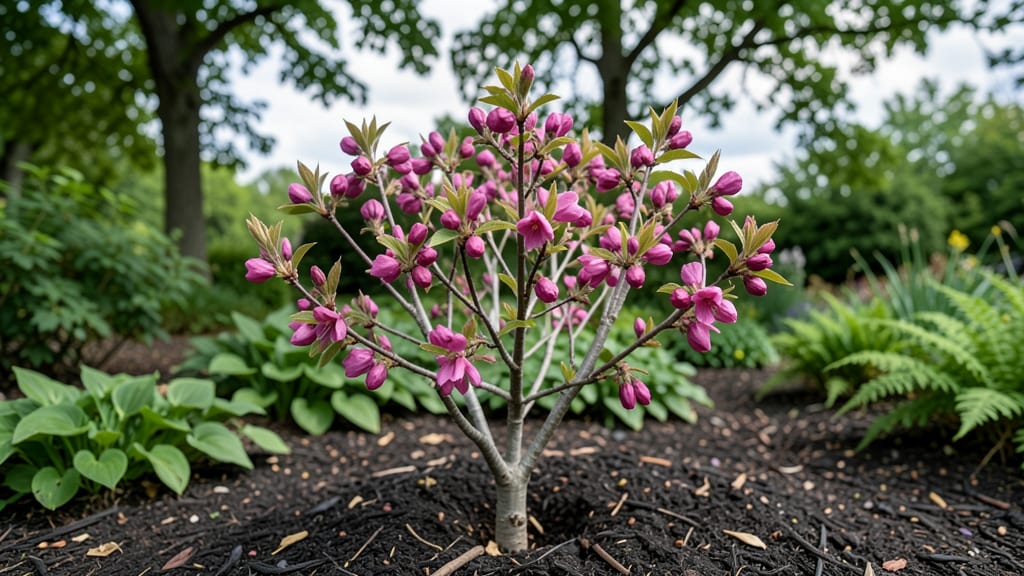
Growing a Purple Heart Bush means adding a year-round statement plant with velvety purple leaves and stunning flowers—it’s the kind of shrub that makes neighbors pause and ask, "What is that?" 🌿 The secret to its success lies in its adaptability: it thrives in heat, handles drought once established, and even tolerates poor soil.
I’ve watched mine go from a struggling nursery plant to a 6-foot-tall centerpiece in just three seasons, with almost no fuss.
This bush loves full sun to partial shade and well-draining soil, but it’s forgiving if you forget to water—just don’t drown it. The real magic happens when you plant it where its glossy foliage will contrast beautifully with other shrubs or brighten up a dull corner.
Prune lightly after flowering to keep it tidy, and you’ll reward yourself with clusters of lavender-pink blooms that hummingbirds adore.
What you’ll end up with is a low-maintenance powerhouse that stays lush even when other plants struggle. The leaves turn a deeper purple in cooler months, making it a standout in winter gardens. It’s perfect for hedges, borders, or even as a single specimen to draw the eye.
Whether you’re a beginner or a seasoned gardener, this plant delivers bold color with minimal effort. The only challenge? Resisting the urge to prune it back too hard—it grows fast, but patience pays off. Let’s get yours thriving!
📚 In This Guide
- What you need
- Instructions
- Tips and common mistakes
- Wrapping up and next steps
What you need
- ● Purple Heart Bush plants: 1–3 nursery-grown plants (or seeds/cuttings if propagating). Look for healthy specimens with vibrant purple foliage.
- ● Well-draining potting mix: 1–2 bags (1–2 cubic feet each) of high-quality peat-free mix or a blend of garden soil + perlite (50/50 ratio).
- ● Containers or garden bed: Containers: 1–2 pots (10–12 inches in diameter) with drainage holes. Terracotta or fabric pots work best.
- ● Garden bed: A sunny spot with 6+ hours of indirect light daily and loose, fertile soil (amend with compost if needed).
- ● Fertilizer: A balanced, water-soluble fertilizer (10-10-10 or 20-20-20) or organic options like fish emulsion or worm castings.
- ○ Mulch (optional but recommended): 1–2 inches of shredded bark or coconut coir to retain moisture and suppress weeds.
- ● Garden trowel or hand shovel for planting.
- ● Watering can or hose with a gentle spray nozzle (avoid soaking the soil).
- ● Pruning shears (sharp, clean pair) for trimming and shaping.
- ○ Gloves (optional) if you prefer protection while handling soil or plants.
- ○ Sunlight meter or app (optional) to check light conditions in your space.
Step-by-step instructions for planting and caring for purple heart bush
Here's how to establish your purple heart bush so it thrives with minimal fuss.
🌱 Step 1: Select the Perfect Planting Location
Purple heart bush (Lagerstroemia) thrives in full sun—at least 6-8 hours daily. Choose a spot with well-draining soil where it can spread its striking foliage without competition. I always test soil drainage by digging a hole, filling it with water, and watching how quickly it drains. If water pools after an hour, amend with 1-2 inches of coarse sand or gravel mixed into the top 12 inches of soil.
This plant handles heat and humidity beautifully, making it ideal for USDA zones 7-10. In colder regions, plant near a south-facing wall to capture reflected warmth. The key is avoiding areas where frost lingers—purple heart bush is semi-evergreen and can suffer cold damage if exposed to temperatures below 10°F for extended periods.
🪴 Step 2: Prepare the Planting Hole and Transplant
Dig a hole twice as wide as the root ball but no deeper—this encourages root expansion rather than settling. Gently remove the plant from its container and loosen any circling roots with your fingers. The goal is to minimize root disturbance while ensuring the bush settles into its new home without stress.
Place the plant at the same depth it was growing in the container—you can reference the soil line on the stem as a guide. Backfill with native soil mixed with 2-3 inches of compost to improve fertility and structure. Water deeply immediately after planting to eliminate air pockets and help roots make contact with the surrounding soil.
☀️ Step 3: Water Deeply and Establish a Routine
Newly planted purple heart bush needs 1-2 inches of water weekly during the first growing season. Water deeply—about 1 gallon per foot of plant height5-7 days, allowing the top 2-3 inches of soil to dry between waterings. You'll know it's time to water when the soil feels dry to the touch at a depth of 1 inch.
After the first year, purple heart bush becomes drought-tolerant once established. I reduce watering to every 10-14 days during dry spells, focusing on deep soakings that encourage deep root growth. Mulch with 2-3 inches of wood chips or shredded bark to retain moisture and suppress weeds—just keep the mulch 6 inches away from the trunk to prevent rot.
✂️ Step 4: Prune for Shape and Health
Prune purple heart bush in late winter or early spring before new growth begins. Remove any dead, diseased, or crossing branches first—these are the easiest to spot when the plant is dormant. Then, shape the bush by cutting back overgrown branches to 1/3 of their length, focusing on maintaining an open center for airflow.
You can also do light pruning in summer to encourage bushier growth, but avoid heavy pruning then—it stimulates tender new growth that may not harden off before fall. I always sterilize my pruners with rubbing alcohol between cuts to prevent spreading disease. Watch for new shoots emerging from the base—these are your plant's way of regenerating and should be left alone unless they're crowding the main structure.
🌿 Step 5: Fertilize and Monitor for Pests
Feed your purple heart bush in early spring with a balanced 10-10-10 fertilizer applied at half the recommended rate. This gives it a gentle boost without encouraging excessive leafy growth at the expense of flowers. Water the fertilizer into the soil to prevent root burn, and avoid fertilizing in fall or winter when the plant is dormant.
Purple heart bush is generally pest-resistant, but watch for aphids or spider mites on new growth. Treat infestations immediately with a strong spray of water or insecticidal soap. The plant's thick, leathery leaves make it less appealing to pests than many other shrubs, but early intervention is key—once pests establish themselves, they're harder to eradicate. I also keep an eye out for powdery mildew in humid climates, addressing it with a fungicide if needed.
Tips & tricks for perfect purple heart bush establishment
Here's what nobody tells you about getting your purple heart bush off to the right start—these details make all the difference.
Soil Test First: Before planting, dig a hole and fill it with water to test drainage. If water remains after an hour, amend the soil with 1-2 inches of coarse sand or gravel mixed into the top 12 inches of soil. This prevents root rot, which is the #1 killer of newly planted purple heart bushes. I've seen too many beautiful plants fail because of poor drainage—don't let this be you.
Root Ball Strategy: When removing your purple heart bush from its container, gently tease apart any circling roots with your fingers. This encourages outward root growth rather than a compacted root ball that struggles to establish. If you notice roots growing in tight circles, make small vertical cuts with a clean knife to loosen them before planting. The goal is to mimic natural root spread.
Mulching Wisdom: Apply 2-3 inches of wood chips or shredded bark around the base, but keep it 6 inches away from the trunk to prevent rot. This mulch ring serves multiple purposes: it retains moisture, regulates soil temperature, and suppresses weeds. I always refresh the mulch in spring—it breaks down over time and loses effectiveness. The key is maintaining that 6-inch clearance to protect the vulnerable trunk.
Pruning Precision: When shaping your bush in late winter, cut back overgrown branches to 1/3 of their length rather than making indiscriminate cuts. This technique maintains the plant's natural form while encouraging bushier growth. I sterilize my pruners with rubbing alcohol between cuts—a small step that prevents disease transmission. And remember, never prune in fall—it stimulates tender new growth that won't harden off before winter.
Pro Tips for Purple Heart Bush
- Here's what nobody tells you about getting your purple heart bush off to the right start—these details make all the difference.
- Soil Test First: Before planting, dig a hole and fill it with water to test drainage.
- Root Ball Strategy: When removing your purple heart bush from its container, gently tease apart any circling roots with your fingers.
Frequently asked questions
Got questions about growing the stunning Purple Heart Bush? You’re not alone!
Here are answers to the most common queries—from planting tips to troubleshooting—so you can enjoy this vibrant shrub with confidence.
How fast does Purple Heart Bush grow, and when will I see results?
The Coleus scutellarioides (Purple Heart Bush) grows moderately fast—expect 6–12 inches per year under ideal conditions. With proper care (bright, indirect light and consistent moisture), you’ll notice noticeable growth within 4–6 weeks and a fuller bush in 3–4 months. Patience pays off, though—it thrives on slow, steady progress!
Can Purple Heart Bush survive winter outdoors, or is it strictly a houseplant?
This tropical beauty is not frost-hardy and will die in temps below 40°F (4°C). In cold climates, treat it as an annual or bring it indoors before fall. If you must overwinter it outside, mulch heavily, protect with burlap, and place it in a sheltered spot. Pro tip: Prune back in spring to encourage fresh growth!
Why are my Purple Heart Bush leaves turning yellow or brown?
Yellowing leaves usually signal overwatering or poor drainage, while brown edges often mean underwatering or low humidity. Check these fixes:
- Water only when the top inch of soil is dry—this plant hates soggy roots!
- Increase humidity with a pebble tray or humidifier (especially indoors).
- Ensure bright, indirect light—direct sun can scorch leaves.
What are some low-maintenance alternatives to Purple Heart Bush?
If you love bold foliage but want even easier care, try these:
- Snake Plant (Sansevieria): Thrives in low light and drought.
- Pothos (Epipremnum aureum): Nearly indestructible and fast-growing.
- Zebra Plant (Aphelandra squarrosa): Striking foliage with moderate needs.
- Cast Iron Plant (Aspidistra elatior): Survives neglect and shade.
How and when should I prune my Purple Heart Bush for bushier growth?
Prune in early spring (just as new growth starts) to shape the plant and encourage fullness. Use clean scissors to:
- Trim back leggy stems by ⅓ to promote branching.
- Pinch off the tips of young stems to discourage tall, sparse growth.
- Remove yellow or damaged leaves to redirect energy.
Wrapping up and next steps
The Purple Heart Bush is a stunning, low-maintenance shrub that brings year-round color and texture to your garden with minimal effort. Whether you're a seasoned gardener or just starting out, its resilience and vibrant foliage make it a perfect choice for adding bold visual interest.
Ready to transform your outdoor space? Start by selecting the ideal spot—whether it's a sunny patio, a mixed border, or a container—and watch this beauty thrive with confidence!